
Can Employers Terminate Staff for Social Media Complaints?
Navigating the legal boundaries of workplace criticism on social platforms: when posts lead to pink slips and when they're protected rights.
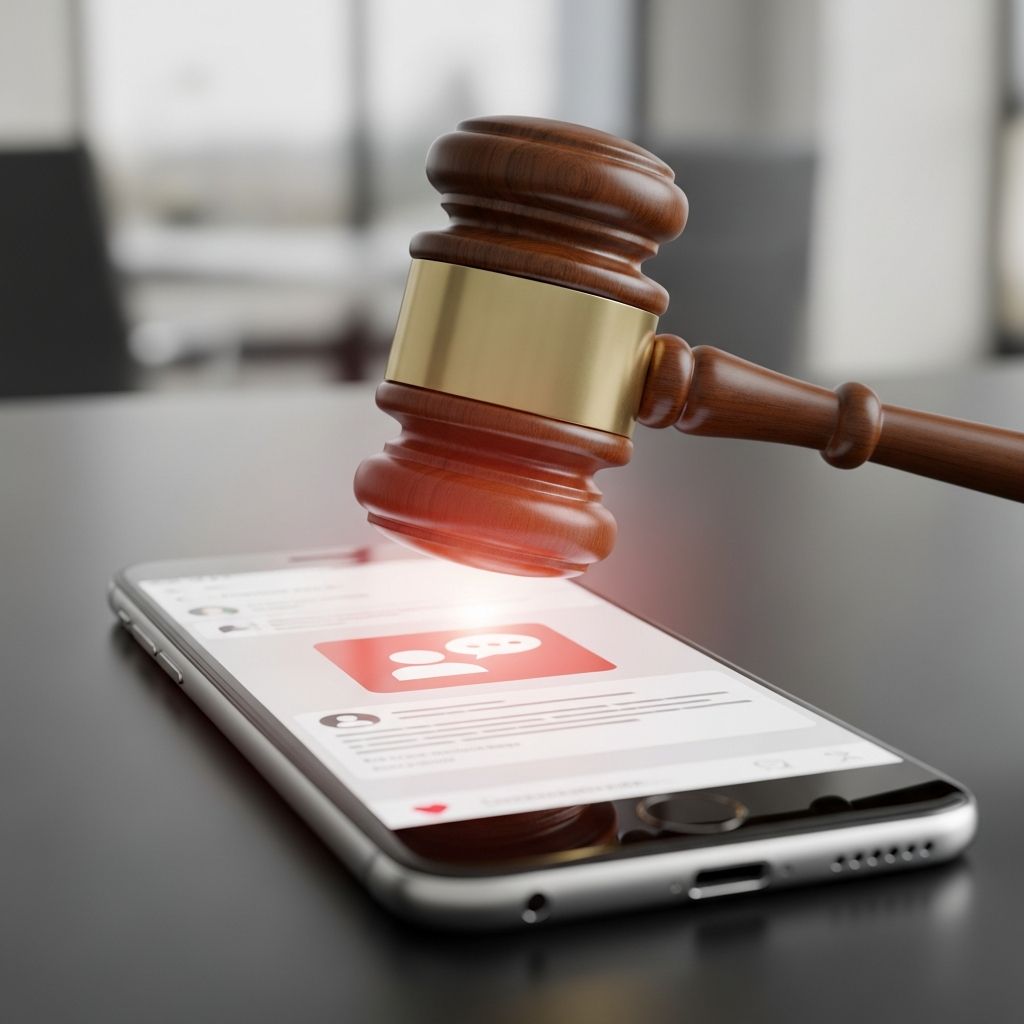
In today’s digital age, social media has become a battleground for workplace frustrations. Employees often vent about bosses, colleagues, or company policies on platforms like Facebook, Twitter, and LinkedIn. But what happens when these posts come to the employer’s attention? Can a boss legally fire someone for online criticism? The answer is nuanced, hinging on factors like the nature of the comments, whether they involve protected concerted activity, and applicable labor laws. This comprehensive guide delves into real-world cases, legal precedents, and strategies for both employers and employees to navigate this minefield.
Understanding the Intersection of Social Media and Employment Law
Social media blurs the lines between personal expression and professional conduct. While the First Amendment protects free speech from government censorship, it does not shield private-sector employees from employer discipline. In the U.S., the National Labor Relations Act (NLRA) plays a pivotal role, safeguarding employees’ rights to discuss terms and conditions of employment, even off-duty and online. However, not all rants qualify as protected; isolated personal gripes often do not.
Employers must tread carefully. Firing someone for protected speech can lead to unfair labor practice charges before the National Labor Relations Board (NLRB). Conversely, employees posting degrading or insubordinate content risk just cause termination, especially if it harms the business reputation or identifies individuals clearly.
Key Legal Frameworks Governing Online Workplace Speech
The NLRA, enforced by the NLRB, protects “concerted activities” for mutual aid or protection. This includes discussions among coworkers about wages, hours, safety, or performance critiques that could lead to group action. Even casual Facebook threads can qualify if they involve multiple employees responding to shared concerns.
- Protected Speech: Conversations about job performance criticism, staffing shortages, or workload that multiple employees join.
- Unprotected Speech: Purely individual complaints, obscene rants, or posts disclosing confidential information.
- Public vs. Private Employees: Public employees may have additional First Amendment protections, but courts often uphold firings for disruptive speech.
State laws vary; some like California emphasize off-duty conduct privacy, but federal labor law often preempts.
Landmark Cases: When Firings Were Upheld or Overturned
Courts and labor boards have shaped this area through high-profile decisions. Here’s a breakdown of influential cases:
| Case | Platform & Content | Outcome | Key Ruling |
|---|---|---|---|
| Lougheed Imports Ltd. (BC Labour Review Board) | Facebook posts with degrading, sexually explicit comments about supervisors | Firing upheld | Posts to 477 friends were public, insubordinate, and damaging to business; no privacy expectation. |
| Hispanics United of Buffalo (NLRB ALJ) | Facebook defense of coworkers against performance complaint | Firing ruled unlawful; backpay awarded | Concerted activity under NLRA; discussions about job critiques are protected, even if not aimed at changing conditions. |
| American Medical Response (NLRB settlement) | Derogatory supervisor comments joined by coworkers | Settled with reinstatement | Initial firing violated NLRA as protected concerted activity. |
| Public Employee Case (Court ruling) | Facebook blast criticizing boss | Firing approved | Single employee’s speech not protected; accountable for disruptive actions. |
These cases illustrate a pattern: group discussions get protection, while solo vulgar attacks do not.
Distinguishing Protected Concerted Activity from Personal Venting
The crux often lies in “concertedness.” NLRB guidance requires activity looking toward group action or involving coworkers about shared terms of employment. For instance:
- A single obscene LinkedIn response to a sales event was unprotected as an “individual gripe.”
- Facebook comments responding to a coworker’s threat to report performance issues were protected, as they defended against potential discipline.
Employers should investigate context: Was it a private gripe or a thread sparking collective concern? Privacy settings matter little; posts to hundreds of “friends” (including colleagues) are deemed public.
Risks for Employers: NLRB Scrutiny and Policy Pitfalls
The NLRB aggressively polices social media firings, examining cases from Walmart to nonprofits. Overbroad policies banning “disparaging” comments about the company are often struck down as chilling protected speech. Tip for HR: Train managers to consult counsel before acting on social media discoveries.
Violations can result in reinstatement, backpay, and policy revisions. In one case, five employees won backpay after their defensive posts were deemed protected.
Employee Perspectives: Know Your Rights and Limits
Workers aren’t powerless. Before posting:
- Check Audience: Assume posts are public; mutual friends can screenshot and share.
- Avoid Identifying Details: Naming supervisors invites insubordination claims.
- Document Context: If discussing shared issues, note coworkers’ involvement for NLRA claims.
- Report Internally First: Direct complaints may strengthen protection.
If fired, file a NLRB charge within six months alleging NLRA violation.
Drafting Compliant Social Media Policies
Effective policies balance rights and respect. Best practices:
- Prohibit harassment, threats, or confidentiality breaches without referencing “disparaging” speech.
- Encourage reporting concerns through official channels.
- Include examples of unprotected conduct (e.g., vulgar public attacks).
- Review with labor counsel for NLRA compliance.
NLRB-approved policies focus on civility without overreach.
Public vs. Private Sector Nuances
Public employees face Garcetti v. Ceballos standards: speech on official duties gets no protection, but citizen speech on public concerns might. Courts OK’d a firing for a solo Facebook boss-blast as disruptive, not protected advocacy.
International Comparisons: Lessons from Canada
In Canada, similar dynamics play out. A British Columbia case upheld firing for “nasty” Facebook comments as just cause, emphasizing business harm over privacy claims. Unlike U.S. NLRA focus, Canadian law stresses insubordination thresholds.
Future Trends: Evolving NLRB Stance and Tech Shifts
With AI monitoring tools and platforms like TikTok, scrutiny intensifies. NLRB under new administrations may expand protections. Employers: Audit policies annually; employees: Pause before posting.
Frequently Asked Questions
Is all workplace criticism on social media protected?
No. Only concerted activities under NLRA qualify; individual vulgar posts do not.
Do privacy settings protect my posts?
Rarely. Posts visible to coworkers or hundreds of friends are public, supporting termination.
What if I’m a union member?
Union contracts may add protections, but NLRA still applies; consult your CBA.
Can my employer monitor my personal accounts?
Generally yes, if public. Off-duty privacy laws vary by state.
What should I do if fired over a post?
Contact NLRB immediately if concerted; otherwise, explore wrongful termination claims.
References
- Employers Can Fire Employees for Nasty Comments Posted on Facebook — McQuarrie Hunter LLP. 2012 (approx., case-specific). https://www.mcquarrie.com/legal-updates/employers-can-fire-employees-for-nasty-comments-posted-on-facebook/
- Employees Fired for Facebook Posts Awarded Backpay — Winston & Strawn LLP. 2012 (approx.). https://www.winston.com/en/blogs-and-podcasts/privacy-law-corner/employees-fired-for-facebook-posts-awarded-backpay
- Facebook Firing Revisited: The NLRB’s Social Media Agenda — Gordon Feinblatt LLC. 2012 (approx.). https://www.gfrlaw.com/what-we-do/insights/facebook-firing-revisited-nlrbs-social-media-agenda
- Court OKs Firing of Public Employee Who Criticized Boss on Facebook — ERE.net. 2012 (approx.). https://www.ere.net/articles/court-oks-firing-of-public-employee-who-criticized-boss-on-facebook
- National Labor Relations Act (NLRA) Section 7 — National Labor Relations Board (official .gov). Last updated 2023. https://www.nlrb.gov/guidance/key-reference-materials/national-labor-relations-act
- NLRB Advice Memorandum on Social Media Cases — National Labor Relations Board (official .gov). 2011-07-19. https://www.nlrb.gov/news-outreach/news-story/nlrb-office-general-counsel-issues-three-advice-memos-addressing-social-media-issues
Similar Articles








Read full bio of Sneha Tete




