
Elevator Accidents: Injuries, Causes, and Legal Recourse
Discover common elevator injuries, who is liable, and essential steps to pursue compensation after an accident.
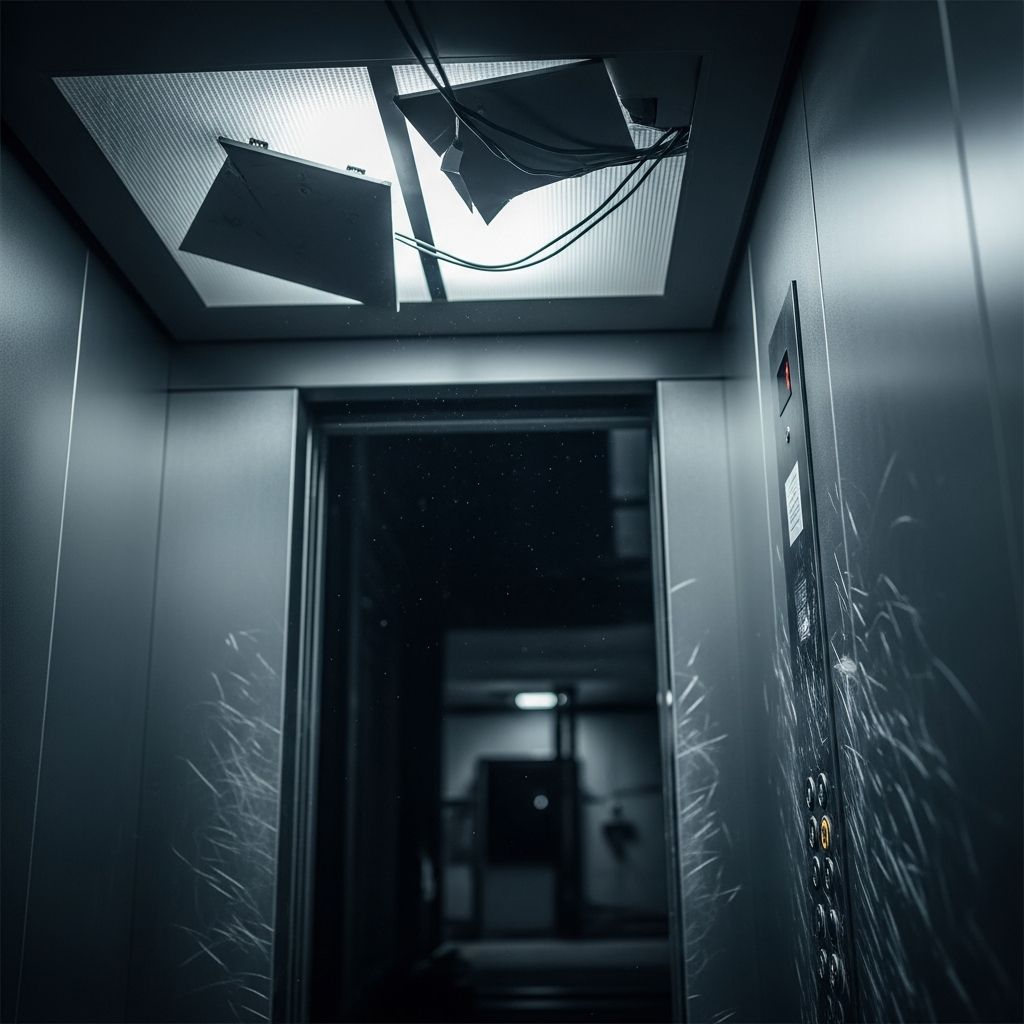
Elevator malfunctions can turn routine commutes into life-altering tragedies, causing injuries ranging from minor bruises to catastrophic trauma. Property owners, maintenance firms, and manufacturers often bear responsibility when negligence leads to these incidents, opening doors for victims to seek substantial compensation through premises liability claims.
Understanding the Hidden Dangers of Elevator Failures
Modern buildings rely heavily on elevators for efficient vertical transport, yet these systems harbor significant risks if not properly managed. According to data from urban safety reports, incidents involving elevators have shown an upward trend in densely populated areas, highlighting the need for vigilant oversight. Failures stem from mechanical wear, human error, or overlooked defects, affecting passengers unexpectedly.
Key factors contributing to elevator hazards include irregular inspections, substandard repairs, and ignored user reports. Building managers must ensure compliance with stringent safety codes enforced by local authorities, such as those outlined by the U.S. Department of Labor’s Occupational Safety and Health Administration (OSHA), which mandates regular testing and certification for all lifting devices.
Common Types of Injuries from Elevator Mishaps
Elevator accidents produce a spectrum of injuries, often severe due to the forces involved in sudden stops, falls, or entrapments. Victims frequently suffer orthopedic damage, neurological harm, and psychological effects that persist long-term.
- Sudden Drops or Free Falls: These terrifying events occur when cables snap or brakes fail, leading to high-impact crashes. Resulting injuries include spinal fractures, traumatic brain injuries from whiplash, and internal organ damage.
- Door-Related Incidents: Doors closing prematurely on limbs or opening to empty shafts trap or crush body parts, causing amputations, lacerations, and crush syndrome.
- Misleveling Accidents: When the car stops unevenly with the floor, passengers trip or fall, sustaining concussions, broken bones, and soft tissue damage.
- Escalator-Specific Harms: Clothing or limbs caught in moving parts result in degloving injuries, fractures, and scalping from hair entanglement.
- Trapped or Stuck Scenarios: Prolonged confinements exacerbate anxiety disorders, while improper escapes lead to falls from heights within the shaft.
These injuries not only demand immediate medical intervention but also impose ongoing rehabilitation needs, underscoring the financial and emotional toll on affected individuals.
Who Bears Liability in Elevator Injury Cases?
Determining fault in elevator accidents involves dissecting the chain of responsibility among multiple entities. Unlike simple car crashes, these cases often feature shared culpability, requiring thorough investigations to pinpoint negligence.
Primary liable parties include:
- Property Owners and Managers: They hold ultimate duty to maintain safe premises, including hiring qualified service providers and addressing complaints promptly.
- Maintenance and Repair Companies: Contracted firms must perform thorough inspections and fixes; falsified logs or temporary patches constitute clear breaches.
- Elevator Manufacturers: Defective designs or parts trigger product liability suits, where failure-to-warn claims strengthen victim arguments.
- Construction Firms: On job sites, debris or improper installations violate labor laws, invoking strict liability under statutes like New York Labor Law Sections 240 and 241(6).
Courts apply negligence principles—duty, breach, causation, and damages—to apportion blame. For instance, if a building ignored prior malfunction reports, ownership faces direct accountability.
Proving Negligence: Essential Evidence and Steps
Success in elevator injury lawsuits hinges on robust proof linking the defendant’s oversight to your harm. Victims must act swiftly to preserve evidence before it dissipates.
- Immediate Medical Care: Document all treatments to establish injury causation, as delays weaken claims.
- Incident Reporting: Notify management and request official logs; involve regulators like the Department of Buildings for inspections.
- Scene Documentation: Photograph elevator conditions, gather witness statements, and secure surveillance footage.
- Expert Analysis: Engineers reconstruct events, revealing maintenance lapses or defects.
Maintenance contracts serve as critical exhibits, exposing if providers shirked duties. Government inspection records further bolster cases by highlighting code violations.
Potential Compensation: What Victims Can Recover
Successful claims yield comprehensive awards addressing both tangible and intangible losses. Courts calculate based on injury severity, impact on life, and defendant fault.
| Damage Type | Description | Examples |
|---|---|---|
| Economic | Quantifiable financial losses | Medical expenses, lost wages, future care costs, diminished earning capacity |
| Non-Economic | Intangible sufferings | Pain and suffering, emotional distress, loss of life enjoyment |
| Punitive | Rare, for egregious conduct | Additional penalties for willful neglect |
Average settlements vary widely; severe cases like multi-floor plunges have secured millions, as seen in New York verdicts exceeding $12 million for worker injuries.
Special Considerations for Workers and Construction Sites
Employees injured in elevators may access workers’ compensation alongside third-party suits against non-employers. Construction workers benefit from heightened protections under state labor laws, imposing absolute liability for elevation-related risks. These provisions ensure robust recovery for high-hazard environments.
Navigating Legal Hurdles: Contributory Fault and Defenses
Defendants often allege victim negligence, such as forcing doors or panicking during stalls. Comparative fault rules reduce awards proportionally; pure contributory jurisdictions bar recovery entirely if any plaintiff fault exists. Understanding jurisdiction-specific laws is crucial.
Statutes of limitations—typically 1-3 years—demand prompt filing. Retaining specialized attorneys early maximizes outcomes through negotiation and litigation prowess.
Frequently Asked Questions About Elevator Injuries
What should I do immediately after an elevator accident?
Prioritize medical evaluation, report to authorities, document everything, and consult a lawyer without delay.
Can I sue if the elevator was maintained by a third party?
Yes, both the maintenance company and building owner can be liable if negligence is proven in their respective roles.
Are children or elderly at higher risk in these incidents?
Absolutely; their vulnerability amplifies injury severity from even minor malfunctions.
How long does an elevator injury claim take?
Timelines vary from months for settlements to years for trials, depending on complexity and cooperation.
Do all states handle these cases the same way?
No, premises liability and labor laws differ; local expertise is essential.
References
- Occupational Safety and Health Standards for Elevators — U.S. Department of Labor, OSHA. 2023-01-15. https://www.osha.gov/laws-regs/regulations/standardnumber/1910/1910.179
- Building Code Requirements for Existing Elevators and Escalators — American Society of Mechanical Engineers (ASME). 2024-07-01. https://www.asme.org/codes-standards/find-codes-standards/a17-3-safety-code-existing-elevators-escalators
- New York Labor Law Section 240: Scaffold Law — New York State Senate. 2025-02-20. https://www.nysenate.gov/legislation/laws/LAB/240
- Elevator Industry Field Employees Safety Handbook — International Union of Elevator Constructors. 2024-11-05. https://www.iuec.org/safety
- Premises Liability: Elevator and Escalator Accidents — U.S. Consumer Product Safety Commission (CPSC). 2023-09-12. https://www.cpsc.gov/s3fs-public/2023-Elevator-Escalator-Incident-Report.pdf
Similar Articles








Read full bio of Sneha Tete




