Electronic Ankle Monitors: Key Insights for Defendants
Uncover essential facts about ankle monitors, from costs and rules to challenges and rights in criminal justice.
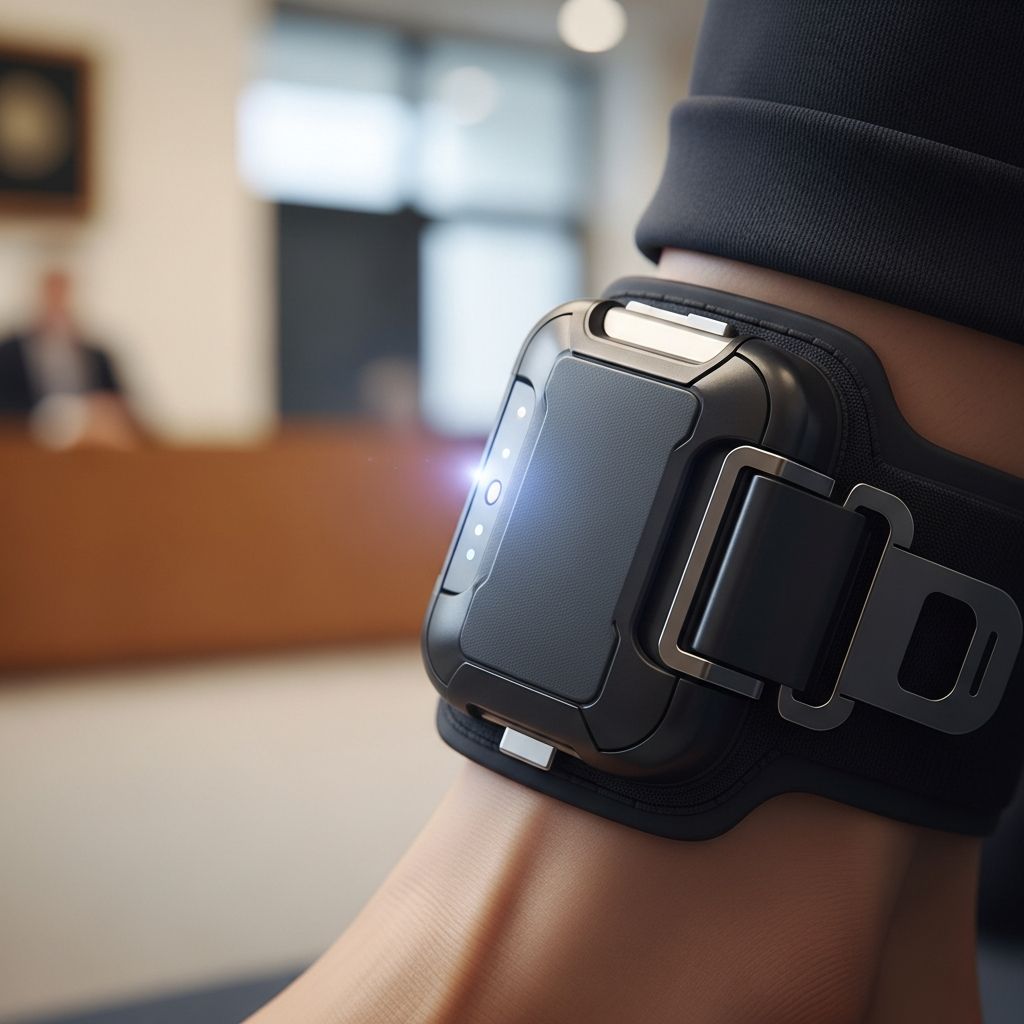
Electronic ankle monitors, also known as GPS tethers or shackles, represent a widespread tool in the American criminal justice system for supervising individuals released from custody. These devices track location continuously, serving pretrial detainees, probationers, parolees, and even those in immigration proceedings. While promoted as alternatives to jail, they impose significant restrictions and financial burdens. This article delves into their mechanics, requirements, pitfalls, and strategies for navigating them effectively.
Understanding the Technology Behind Ankle Monitors
Ankle monitors utilize GPS and radio frequency technology to monitor wearers’ movements in real time. GPS-enabled units pinpoint exact locations outdoors, while RF modes ensure proximity to a base station for home confinement. Devices like SCRAM integrate alcohol detection via transdermal sensors, common in DUI or domestic violence cases involving sobriety conditions.
Installation involves securing a strap around the ankle, connected to a monitoring center that alerts authorities to deviations. Units are tamper-resistant, detecting cuts, shielding, or submersion attempts within minutes. Contrary to some myths, most modern devices are waterproof, allowing showers and swimming, though submersion that damages them triggers violations. Continuous 24/7 data collection provides procedural oversight, as per federal guidelines.
- GPS Tracking: Real-time outdoor location via satellites.
- RF Curfew Mode: Ensures presence at approved sites like home.
- Sobriety Features: Breath or sweat analysis for alcohol/drug compliance.
- Tamper Alerts: Immediate notifications for interference.
From 2005 to 2015, active monitors surged 140%, expanding during COVID-19 as jails released low-risk individuals. Jurisdictions deploy them to enforce court appearances and public safety, though evidence questions their effectiveness in rehabilitation.
Financial Obligations and Accessibility Issues
Monitoring comes at a steep personal cost, often $3 6$35 daily, plus $100 6$200 setup fees, totaling thousands yearly 6far less than incarceration’s $20,000+ per year but burdensome for low-income users. Nonpayment can lead to jail, exacerbating wealth-based disparities.



The Future of AI: Preventing a Big Tech Monopoly >

| Cost Component | Typical Range | Annual Estimate |
|---|---|---|
| Daily Fee | $3 6$35 | $1,095 6$12,775 |
| Setup Fee | $100 6$200 | One-time |
| Incarceration Alternative Savings | N/A | Up to $20,000 saved |
Systemic inequities persist: Black individuals in Detroit face twice the monitoring rate of whites. Disabilities may worsen fit issues, and poor housing signals complicate compliance. Federal courts emphasize evidence-based practices, yet access remains uneven.
Strict Rules for Compliance and Daily Life
Wearers must adhere to rigid protocols to avoid violations. Key rules include:
- Staying within court-approved zones; entering exclusion areas triggers instant alerts.
- Charging devices daily 6failure prompts “low battery” violations.
- Avoiding tampering: No cutting straps, foil-wrapping, or tools; detection equals a new offense.
- Reporting malfunctions immediately to prevent false alarms leading to arrest.
- Obeying curfews and travel permissions; unapproved jurisdiction leaves revoke monitoring.
For juveniles and adults alike, daily checks occur, with alerts for unauthorized movements. SCRAM users face sobriety tests, where alcohol detection violates terms. These constraints limit employment, education, and family life, resembling “e-carceration” rather than freedom.
Risks of Violations and Consequences
Technical glitches plague devices: signal loss, false positives, or shocks from malfunctions drive tampering or removal. Minor issues like missed charges escalate to hearings, where judges may revoke release and impose jail.
Serious breaches 6zone violations, sobriety failures, or repeated non-reporting 6lead to immediate court filings. In Florida, community control via monitors falls under strict Department of Corrections oversight. Studies reveal monitors fail to boost court appearances or safety, instead funneling users back to physical incarceration for technical faults.
Defense strategies include documenting glitches for appeals, arguing unreliable tech justifies liberty. Creating appeal records challenges precedents treating monitors like mere shackles.
Legal Challenges and Advocacy Strategies
Attorneys can contest monitoring by highlighting ineffectiveness, privacy invasions, and inequities. Key arguments:
- Ineffectiveness: No proven public safety gains; expands digital punishment.
- Privacy/Data Risks: Constant tracking without robust protections.
- Due Process: Demand notice, appeals, counsel access, and disability accommodations.
- Cost Credits: Seek time-served credit against sentences.
Policy reforms urge limits on use, wealth-neutrality, and transparent data. Federal location monitoring follows procedural standards, but local variations demand tailored challenges. For non-violent or first-time offenders, negotiate monitors over jail, contacting experienced counsel early.
Real-World Impacts on Individuals and Communities
Personal stories underscore harms: Devices stigmatize, hinder jobs, and strain families. One report details physical pain, false alerts landing wearers in jail, and racial biases amplifying surveillance. Economically, fees trap users in poverty cycles, questioning cost-saving claims.
Communities benefit from reduced prison overcrowding, but at the expense of normalized surveillance. COVID expansions normalized e-carceration, demanding scrutiny. Balancing supervision with rights requires evidence-based reforms.
Frequently Asked Questions (FAQs)
Can I remove my ankle monitor myself?
No. Tampering is a crime, detected instantly, leading to arrest and added charges.
How much do ankle monitors cost daily?
Fees range $3 6$35 per day, varying by state and device; nonpayment risks revocation.
Are ankle monitors effective for public safety?
Studies show limited success in appearances or rehab, often causing re-incarceration via technical violations.
What if my device malfunctions?
Report immediately; document for defense, as glitches can’t justify restrictions or charges.
Who typically wears ankle monitors?
Pretrial releases, probationers, parolees, juveniles, and immigration cases.
Do ankle monitors track alcohol use?
SCRAM models do via skin sensors, for DUI or sobriety-mandated cases.
References
- Three People Share How Ankle Monitoring Devices Fail, Harm, and Stigmatize 6 ACLU. 2021-06-15. https://www.aclu.org/news/criminal-law-reform/ankle-monitoring-devices-fail-harm-and-stigmatize
- Electronic Monitoring Conditions: Complete Guide to Ankle Monitor Rules 6 NYC Criminal Attorneys. 2023-08-20. https://www.nyccriminalattorneys.com/electronic-monitoring-conditions/
- The Defense Attorney’s Arsenal In Challenging Electronic Monitoring 6 Electronic Frontier Foundation (EFF). 2025-06-10. https://www.eff.org/deeplinks/2025/06/defense-attorneys-arsenal-challenging-electronic-monitoring
- Five Things to Know about Ankle Monitors 6 Sebald, Hackwelder & Knox Defense Lawyers. 2022-03-12. https://www.defenselawyerserie.com/five-things-to-know-about-ankle-monitors/
- A Closer Look at Ankle Monitors 6 YouTube (12 News Transcript). 2023-11-05. https://www.youtube.com/watch?v=PyVD5GWvdsg
- The Use of Electronic Monitoring Devices in Florida 6 Leifert & Leifert. 2024-01-18. https://www.leifertlaw.com/blog/electronic-monitoring-devices/
- How Location Monitoring Works 6 United States Courts (uscourts.gov). 2025-02-28. https://www.uscourts.gov/about-federal-courts/probation-and-pretrial-services/evidence-based-practices/federal-location-monitoring/location-monitoring-reference-guide/how-location-monitoring-works
Similar Articles








Read full bio of Sneha Tete