
Key Election Day Violations to Watch For
Stay vigilant: Understand common election law breaches on voting day to protect democracy and ensure fair elections for all.
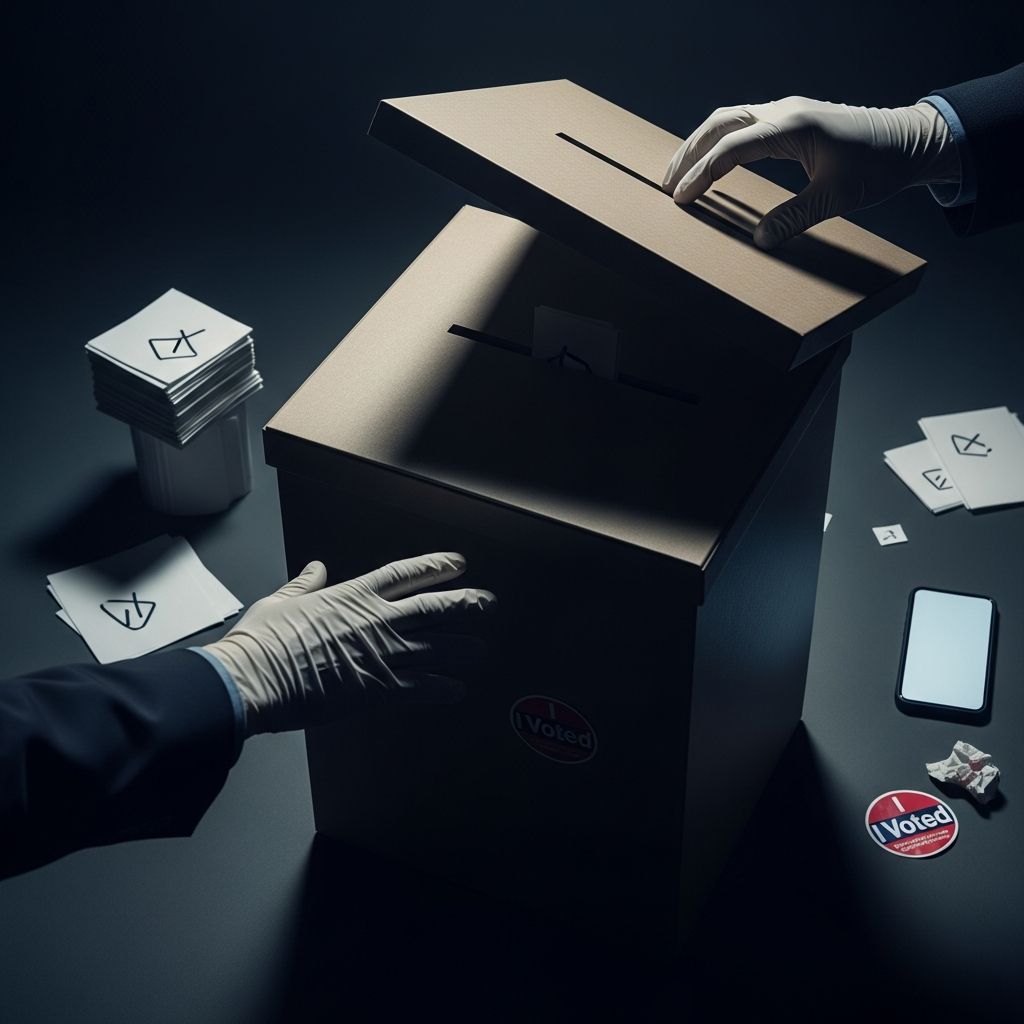
Election Day is a cornerstone of democracy, but it can also be a flashpoint for illegal activities that undermine voter confidence and access. From aggressive confrontations at polling sites to misleading information campaigns, understanding these violations empowers citizens, poll workers, and observers to uphold the integrity of the process. This article explores prevalent issues, backed by federal and state laws, and provides actionable guidance on recognition and response.
Understanding Voter Intimidation Tactics
Voter intimidation remains one of the most direct threats to free elections. Federal law explicitly bans any attempt to threaten, coerce, or intimidate individuals exercising their right to vote. This includes physical blockades, aggressive surveillance, or verbal harassment near polling locations, drop boxes, or vote counting centers. Historical incidents, such as groups chanting menacingly or honking horns to disrupt entry, illustrate how such actions create a chilling effect on participation.
Common forms include following voters from parking areas to entrances, forming human barriers, or loitering with overt displays of aggression. Courts have ruled that even non-physical acts like persistent monitoring or implicit threats qualify as unlawful. In states like Arizona, armed individuals in tactical gear near drop boxes have heightened concerns, prompting federal oversight.
- Surveillance and shadowing: Tracking voters’ movements to instill fear.
- Disruptive demonstrations: Noisy protests blocking access points.
- Targeted harassment: Shouting slurs or threats based on perceived affiliations.
Federal observers, deployed under the Voting Rights Act, monitor high-risk sites to enforce compliance. Citizens can request their presence through local officials if risks are anticipated.
Poll Watcher Misconduct and Limits
Poll watchers play a vital role in transparency, but overreach can cross into illegality. Authorized observers from candidates or parties are permitted inside polling places, but strict rules govern their behavior. In Pennsylvania, for instance, only one watcher per candidate or party may be present at a time, and they must not interfere with voting.
Prohibited actions encompass photographing voters, disseminating false information, blocking entrances, or confronting individuals about their choices. Even hovering too closely or asking for identification without authority constitutes intimidation. Recent state laws in places like Georgia and North Carolina have expanded observer access, potentially increasing abuse risks.
| Allowed Activities | Prohibited Activities |
|---|---|
| Quiet observation from designated areas | Photographing or recording voters |
| Verifying procedures without disruption | Questioning or influencing voters |
| Noting irregularities for later report | Blocking access or physical threats |
During ballot processing, watchers cannot challenge absentee votes based on signatures or disclose pre-canvass results prematurely, violations punishable under state law. Training emphasizes neutrality to prevent these infractions.
Deceptive Practices and Misinformation
Deception erodes trust by confusing voters on logistics or eligibility. Federal and state statutes criminalize spreading false details about polling times, locations, or qualifications with intent to suppress turnout. A model statute proposes penalties for communications within 90 days of elections that mislead on these essentials.
Examples include robocalls claiming wrong voting days based on ballot choices or flyers misstating ID requirements. In past cycles, such tactics targeted specific demographics, amplifying suppression. Election codes also address broader fraud like false registrations or multiple voting.
- False time/place info: Claiming polls close earlier or are relocated.
- Eligibility lies: Wrongly stating non-citizens can’t vote or felons are barred.
- Robocall scams: Automated messages deterring participation.
Prosecutors can leverage mail fraud or Travel Act statutes for interstate schemes. Voters should verify info via official channels like USA.gov.
Firearms and Armed Presence at Polls
Guns near voting sites escalate tensions and can intimidate. While laws vary, visible firearms while loitering, arguing, or approaching voters often violate intimidation bans. Federal protections cover attempts to coerce via implied threats.
States impose electioneering prohibitions within polling perimeters, sometimes extending to firearms. Watch for holstered weapons during voter interactions or armed patrols around drop boxes. Legal recourse includes invoking Voting Rights Act monitoring.
Harassment of Election Officials and Workers
Election staff face rising threats, from online doxxing to in-person confrontations. Federal law shields those aiding voting, making interference with their duties illegal. Disruptions at offices, homes, or counting sites, plus menacing calls or misinformation inciting abuse, are prosecutable.
International models, like those preventing vote compulsion or registration sabotage, underscore global standards against such interference. Report doxxing or threats immediately to protect the process.
How to Report Suspected Violations
Swift reporting preserves evidence and deters escalation. Contact local election officials, state attorneys general, or the DOJ’s Civil Rights Division hotline. Federal observers can be requested for monitoring. Document incidents with timestamps, descriptions, and non-confrontational photos.
- Call 911 for immediate threats.
- Use state voter hotlines for guidance.
- Submit detailed reports to election protection organizations.
Training resources from NCSL highlight state-specific electioneering bans.
Frequently Asked Questions (FAQs)
What should I do if I see someone blocking a polling entrance?
Alert poll workers or authorities calmly; do not engage directly. Blocking violates access laws.
Can poll watchers take photos inside the polling place?
No, photographing voters is prohibited to protect privacy and prevent intimidation.
Is carrying a gun legal at a polling site?
It depends on state law, but using it to intimidate is always illegal federally.
How do I report election worker harassment?
Contact local law enforcement or federal election monitoring immediately.
What if I receive misleading voting info?
Verify with official sources and report to authorities; deception is criminal.
Maintaining Election Integrity Through Vigilance
A fair election requires collective awareness. By recognizing these violations—from intimidation to deception—citizens contribute to robust democracy. Stay informed, report issues, and support monitored processes for trustworthy results.
References
- Guide to Laws Against Intimidation of Voters and Election Workers — Brennan Center for Justice. 2024. https://www.brennancenter.org/our-work/research-reports/guide-laws-against-intimidization-voters-and-election-workers
- Poll Watchers — Pennsylvania Department of State. Accessed 2026. https://www.pa.gov/agencies/vote/voter-support/your-rights-and-the-law/poll-watchers
- Section 15: Election Offenses — United States Institute of Peace. Undated. https://www.usip.org/sites/default/files/MC1/MC1-Part2Section15.pdf
- Deceptive Election Practices and Voter Intimidation — Lawyers’ Committee for Civil Rights Under Law. 2012-07. https://lawyerscommittee.org/wp-content/uploads/2015/07/DeceptivePracticesReportJuly2012FINALpdf.pdf
- Election Law Violations — Office of Justice Programs. Undated. https://www.ojp.gov/ncjrs/virtual-library/abstracts/election-law-violations
- About Federal Observers And Election Monitoring — U.S. Department of Justice. Accessed 2026. https://www.justice.gov/crt/about-federal-observers-and-election-monitoring
- Summary Electioneering Prohibitions Near Polling Places — National Conference of State Legislatures. 2025-03-11. https://www.ncsl.org/elections-and-campaigns/electioneering-prohibitions
Similar Articles








Read full bio of medha deb




