
DUI Abroad: Legal Fallout and Global Ramifications
Discover the hidden international consequences of a DUI conviction overseas, from entry bans to lifelong records and recovery options.
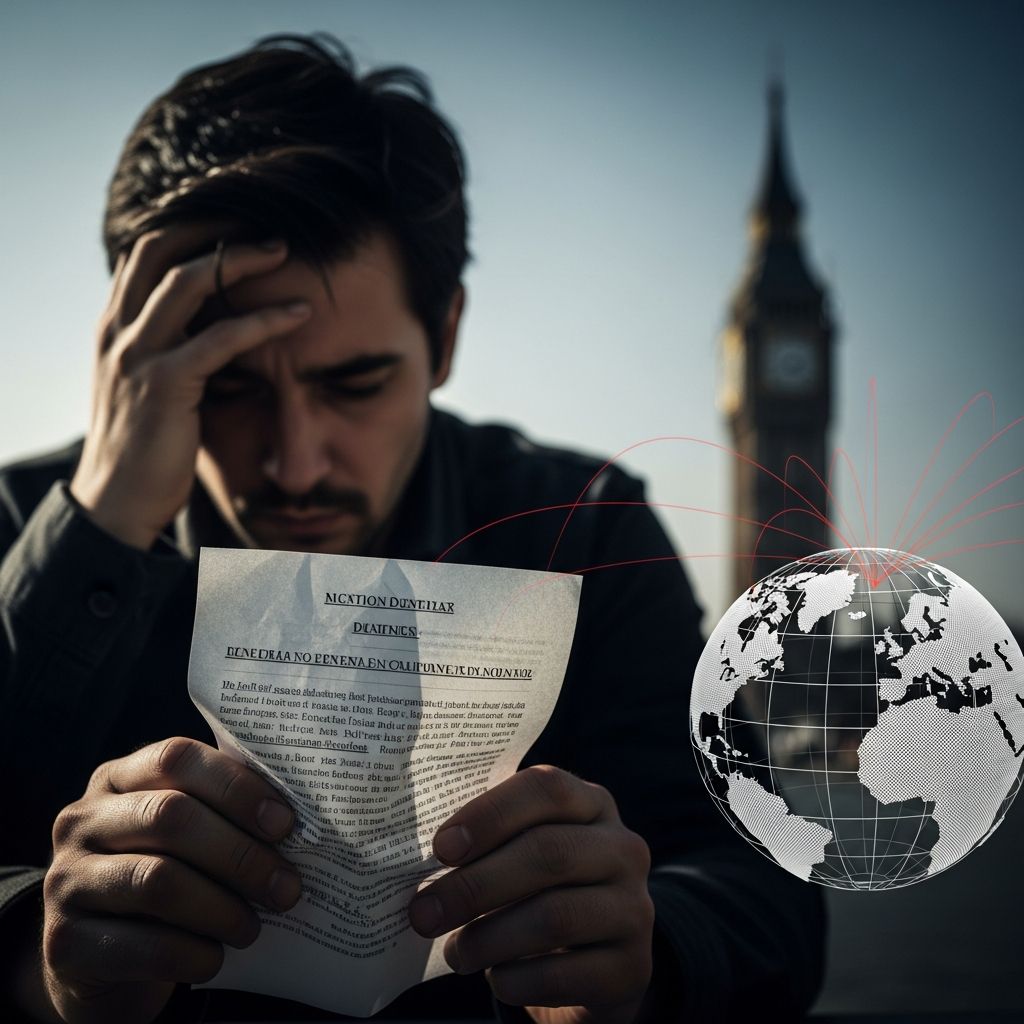
A conviction for driving under the influence (DUI) while traveling internationally can unleash a cascade of complications far beyond the initial arrest. Unlike domestic cases, foreign DUI incidents often carry harsher penalties, permanent records, and barriers to re-entering your home country or visiting others. This article explores the multifaceted repercussions, drawing from official guidelines and legal precedents to equip you with actionable knowledge.
Immediate Arrest and Local Legal Processes
When authorities in a foreign nation pull you over for suspected impaired driving, the process unfolds rapidly and under unfamiliar laws. Blood alcohol concentration (BAC) limits abroad are frequently stricter than in the U.S.—many cap at 0.05% or lower—turning what might be a minor offense at home into a serious crime overseas.
Detention can last hours to days, with mandatory breathalyzer or blood tests. Refusal often leads to automatic license suspension and escalated charges. Courts may convene swiftly, imposing fines equivalent to thousands of U.S. dollars, vehicle impoundment, or short-term imprisonment. In nations with zero-tolerance policies, even trace alcohol levels trigger these outcomes.
- Fines and Fees: Ranging from $500 to $10,000, often payable on-site to avoid extended stays.
- License Suspension: International driving permits become invalid, complicating rental returns or onward travel.
- Jail Time: Up to 30 days in stricter jurisdictions like parts of Europe or Asia.
Post-release, you’ll receive documentation that feeds into global databases, amplifying long-term effects.
How Foreign Convictions Echo in Your Home Country
A DUI abroad doesn’t stay contained; it infiltrates your U.S. record via Interpol notices or embassy reports. The State Department tracks such incidents, and Customs and Border Protection (CBP) cross-references them upon re-entry.
For U.S. citizens, this can trigger driver’s license reviews in your home state, potential ignition interlock mandates, or insurance rate spikes. More critically, it counts as a prior offense for future DUIs, elevating penalties from misdemeanor to felony status.
| Impact Area | Potential Consequences | Duration |
|---|---|---|
| Driving Privileges | State suspension or restrictions | 1-5 years |
| Insurance | Premium increases up to 300% | 3-10 years |
| Criminal Record | Prior offense for sentencing | Lifetime unless expunged |
Non-citizens face amplified risks, including visa revocations or deportation proceedings.
Global Travel Barriers Triggered by Overseas DUIs
One of the most profound repercussions is restricted mobility. Numerous countries classify DUI as a ‘crime of moral turpitude,’ barring entry regardless of where the conviction occurred. Canada exemplifies this: a single DUI renders you ‘inadmissible’ for five years minimum, requiring rehabilitation applications or temporary permits.
Mexico, Japan, China, and Australia enforce similar scrutiny, often demanding disclosure on visa forms. Airlines may deny boarding if destination rules flag your passport via shared systems.
- Canada: Strictest policy; waivers needed post-5 years.
- Mexico: Case-by-case denials at borders.
- Japan/China: Visa denials common for any criminal record.
- Australia: Character tests exclude DUI offenders.
Even visa-free destinations probe records, leading to turnaways.
Immigration and Visa Disruptions for Non-Citizens
For immigrants or visa holders, a foreign DUI jeopardizes status profoundly. U.S. Citizenship and Immigration Services (USCIS) views it as evidence against ‘good moral character,’ stalling naturalization or green card renewals. Multiple incidents suggest habitual behavior, prompting removal.
Work visas evaporate post-conviction, forcing departures. Undocumented individuals risk ICE detection during processing. Re-entry bars can span years, demanding waivers with proof of rehabilitation.
Strategies to Mitigate and Overcome Restrictions
While daunting, recovery paths exist. Start with legal counsel specializing in international DUI defense to challenge convictions or seek expungement where possible—though many foreign systems prohibit this.
For travel:
- Waivers and Permits: Apply via embassies; Canada offers TRPs for urgent needs.
- Rehabilitation Programs: Complete counseling; after 5-10 years, some nations deem you reformed.
- Documentation: Carry court dispositions and completion certificates.
Time heals: Restrictions often lift after 5-10 years with clean records.
Country-Specific Policies: A Comparative Overview
Policies vary widely:
| Country | DUI Entry Policy | Waiver Options | Time Bar |
|---|---|---|---|
| Canada | Inadmissible | TRP/Rehab | 5+ years |
| Mexico | Restricted | Case-by-case | Variable |
| Japan | Denied | Limited | 10 years |
| Australia | Character test | Appeals | Indefinite |
| EU Nations | Varies (e.g., strict in Germany) | Schengen waivers | 5-10 years |
Always verify with official consulates.
Preventive Measures for Safe International Driving
Avoidance is ideal: Use rideshares, public transit, or designated drivers. Know local BAC limits via State Department advisories. Purchase comprehensive travel insurance covering legal aid.
Frequently Asked Questions (FAQs)
Can a foreign DUI prevent U.S. re-entry?
No single DUI bars U.S. citizens, but it flags CBP reviews and may lead to secondary screening. Non-citizens risk deportation.
How long do travel bans last after an overseas DUI?
Typically 5-10 years, depending on the destination; waivers can shorten this.
Does a foreign DUI affect U.S. driver’s license?
Yes, states often suspend based on foreign convictions as priors.
Can I expunge a DUI from a foreign record?
Rarely; many countries maintain permanent records unlike U.S. options.
What if I’m on a visa and get a DUI abroad?
Expect revocation and re-entry denials; consult immigration attorneys immediately.
References
- Travel Restrictions Resulting from a DUI — LawInfo. Accessed 2026. https://www.lawinfo.com/resources/dui/travel-restrictions-resulting-from-a-dui.html
- What Happens if You Get a DUI in a Different Country? — Brynn Law. Accessed 2026. https://brynnlaw.com/what-happens-if-you-get-a-dui-in-a-different-country/
- Countries You Can’t Visit If You Have A DUI Conviction — Carlson Meissner. Accessed 2026. https://carlsonmeissner.com/blog/countries-you-can-t-visit-if-you-have-a-dui-conviction/
- Can You Travel Internationally With a DUI? — Rosenstein Law Group. 2025-07-15. https://www.scottsdale-duilawyer.com/blog/can-you-travel-internationally-after-getting-a-dui/
- Can a DUI Affect My Immigration Status? — Super Lawyers. Accessed 2026. https://www.superlawyers.com/resources/dui-dwi/dui-life-impacts-and-other-areas/can-a-dui-affect-my-immigration-status/
- How a DUI Can Affect Your Travel Plans This Spring — Kern County DUI. 2025-04. https://www.kerncountydui.com/blog/2025/april/how-a-dui-can-affect-your-travel-plans-this-spri/
- Entering Canada and the United States with DUI offenses — U.S. Customs and Border Protection (CBP). Accessed 2026. https://www.help.cbp.gov/s/article/Article-1409?language=en_US
Similar Articles








Read full bio of Sneha Tete




