
Drugs at Home: Legal Risks and Protective Steps
Discover essential legal guidance on handling drugs brought into your home by others, safeguarding your rights and property effectively.
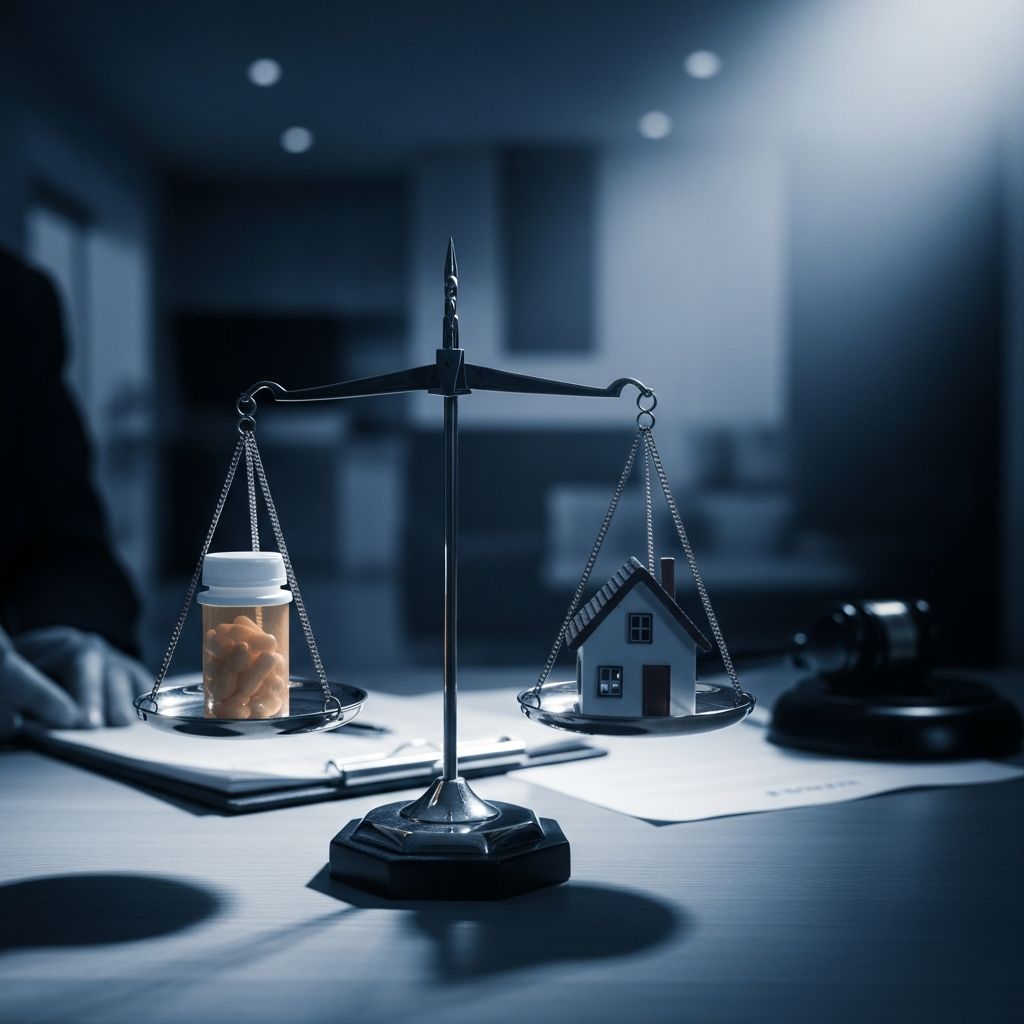
When illegal substances unexpectedly enter your living space, the situation demands swift, informed action. Homeowners and renters alike face potential criminal charges, even without personal involvement in drug activities. This article explores the hidden dangers, immediate responses, and long-term strategies to mitigate risks associated with drugs on your property.
Understanding the Hidden Dangers of Drugs on Your Property
Illegal drugs in a residence can trigger severe consequences under state and federal laws. Prosecutors often pursue charges based on constructive possession, where control over the premises implies knowledge and intent to possess the substances. This doctrine holds property owners accountable if drugs are found in areas they have access to, such as common rooms or garages.
Key risks include felony charges for possession, distribution, or manufacturing, depending on the drug type and quantity. For instance, small amounts of marijuana might lead to misdemeanors in some jurisdictions, but harder substances like methamphetamine or fentanyl escalate to serious felonies with lengthy prison terms. Civil liabilities also arise, such as property forfeiture where authorities seize homes linked to drug crimes.
- Proximity to drugs can lead to arrest during police raids or welfare checks.
- Family members, including children, may face child protective services intervention.
- Insurance policies often exclude coverage for drug-related incidents, leaving owners financially exposed.
Recognizing early warning signs prevents escalation. Indicators include unusual visitor patterns, lingering odors, discarded paraphernalia, or behavioral changes in household members.
Spotting Indicators of Illicit Activity in Your Residence
Vigilance is your first line of defense. Common signs of drug presence or dealing include excessive foot traffic at odd hours, loitering around the property, and strange chemical smells emanating from inside.
Physical evidence often appears as syringes, small plastic baggies, burnt spoons, or residue on surfaces. Neighborhood disturbances like graffiti, threats, or gang affiliations further signal trouble. Document these observations with photos, timestamps, and notes to build a case for authorities if needed.
| Sign of Drug Activity | Description | Action to Take |
|---|---|---|
| Frequent Visitors | Multiple short-term guests arriving and leaving rapidly | Monitor and record license plates discreetly |
| Odd Odors | Chemical or burnt smells from vents or windows | Ventilate and investigate source safely |
| Paraphernalia | Pipes, needles, or packaging materials | Do not touch; photograph and report |
| Behavioral Shifts | Secretive actions or sudden wealth displays | Confront privately or seek counseling |
Addressing these promptly protects your legal standing and household safety.
Immediate Actions When Discovering Drugs in Your Space
Finding drugs requires caution to avoid self-incrimination or evidence tampering. Never consume, sell, or distribute them, as this elevates charges. If safe, photograph the items in place before handling, noting location and context.
Do not flush or destroy evidence unilaterally, as this could be interpreted as obstruction of justice. Instead, secure the area by locking doors and restricting access. Contact local law enforcement immediately for safe removal and guidance. In emergencies, like active use threatening health, call 911 without delay.
- Assess immediate danger to occupants.
- Isolate the substances without direct contact.
- Call authorities and provide detailed information.
- Cooperate fully during investigation.
For shared living situations, such as with roommates or family, communicate boundaries clearly and consider eviction proceedings if violations persist.
Navigating Legal Concepts: Possession and Your Liability
Actual possession involves drugs on your person, while constructive possession hinges on dominion and control over the area. Courts consider factors like accessibility, ownership of containers, and prior knowledge. Renters face unique challenges, as landlords may terminate leases under drug-free housing clauses.
Federal laws, enforced by agencies like the DEA, classify substances into schedules based on abuse potential. Schedule I drugs (e.g., heroin, LSD) carry the harshest penalties. State variations exist; for example, some have decriminalized small cannabis amounts, but federal supremacy applies in interstate cases.
To defend against charges, demonstrate lack of knowledge or control. Evidence like security footage, witness statements, or alibis proves innocence. Retain a criminal defense attorney specializing in drug cases early to protect rights under the Fourth and Fifth Amendments.
Reporting Suspected Drug Activity Safely and Effectively
Anonymous tips empower action without personal risk. Local police non-emergency lines handle routine reports, while federal options target larger operations. The DEA’s tip line accepts submissions on trafficking, synthetic drugs, and prescription abuse.
Provide specifics: location, descriptions of individuals/vehicles, and observed activities. Neighborhood watch programs amplify efforts through collective documentation. Avoid direct confrontations, which risk violence or retaliation.
- Use online portals for federal tips.
- Join community safety initiatives.
- Follow up on reports for resolution tracking.
Preventive Measures to Secure Your Home Against Drug Risks
Proactive steps fortify your property. Install security cameras, motion lights, and sturdy locks. Screen tenants or guests thoroughly, using background checks where legal. Lease agreements should explicitly prohibit illegal activities with zero-tolerance policies.
Educate household members on risks and establish house rules. Regular property inspections deter hidden stashes. Community involvement, like block watches, fosters vigilance and deters criminals.
For parents, monitor teen behaviors and promote open discussions. Schools and counseling services offer resources for at-risk youth.
Consequences of Drug Incidents: Criminal and Civil Fallout
Convictions result in fines, probation, mandatory rehab, and imprisonment. Collateral effects include employment loss, housing denials, and custody battles. Property forfeiture under civil asset laws strips ownership without conviction.
Restoration involves expungement processes, varying by jurisdiction. Diversion programs allow first-time offenders to avoid records through compliance.
Seeking Professional Legal Help
Consult attorneys immediately upon discovery. They guide evidence preservation, police interactions, and defense strategies. Free legal aid societies assist low-income individuals. Preparation includes gathering all documentation and timelines.
Frequently Asked Questions (FAQs)
Q: What if a guest leaves drugs in my house accidentally?
A: Report it to police promptly. Explain circumstances to demonstrate no intent. Do not delay, as prolonged presence implies possession.
Q: Can I be charged if drugs are found in a roommate’s room?
A: Possibly under constructive possession if you have access. Shared leases heighten risks; consider subletting termination.
Q: Is flushing drugs safe?
A: No, it risks tampering charges. Contact authorities for proper disposal.
Q: How do I report anonymously?
A: Use DEA online forms or local crime stoppers hotlines for confidentiality.
Q: What defenses work against possession charges?
A: Lack of knowledge, no control, or third-party placement. Expert testimony aids complex cases.
Building a Drug-Free Environment Long-Term
Sustained safety requires ongoing commitment. Partner with local agencies for resources, conduct safety audits, and stay informed on law changes. Empower yourself with knowledge to transform vulnerability into resilience.
References
- Signs of Drug Activity — Bureau of Narcotics and Dangerous Drugs, OK. Accessed 2026. https://www.obndd.ok.gov/news-and-publications/drug-education/drug-activity
- Submit a Tip to DEA — U.S. Drug Enforcement Administration, Diversion Control Division. Accessed 2026. https://www.deadiversion.usdoj.gov/tips-online.html
- What can I do about someone bringing drugs into my home — Avvo Legal Answers. Accessed 2026. https://www.avvo.com/legal-answers/what-can-i-do-about-someone-bringing-drugs-into-my-2954654.html
- Submit a Tip — U.S. Drug Enforcement Administration. Accessed 2026. https://www.dea.gov/submit-tip
Similar Articles








Read full bio of medha deb




