
Driving Sick: Risks Equal to Drunk Driving?
Discover how common illnesses like colds impair driving skills as much as alcohol, backed by studies and expert warnings.
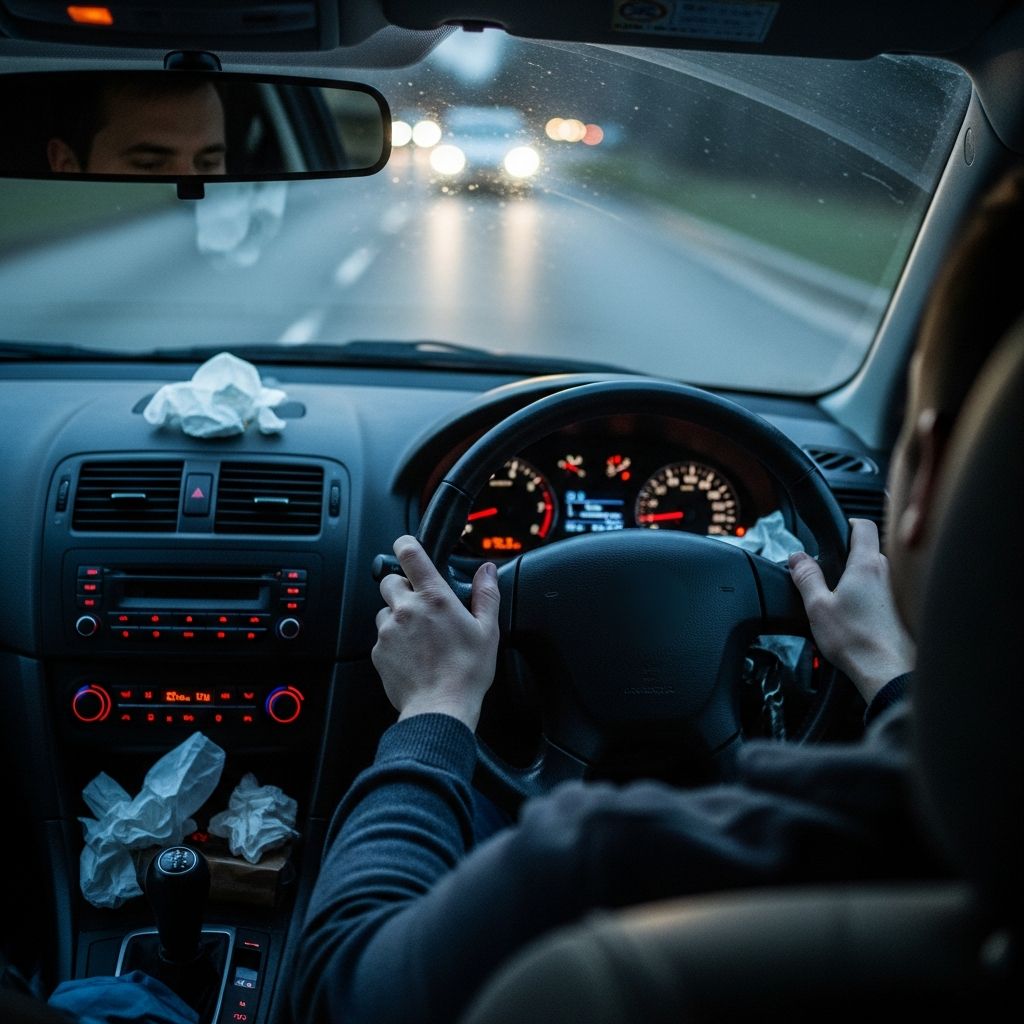
Every day, millions of drivers hit the road while battling everyday ailments like colds or flu. What many don’t realize is that these common illnesses can compromise road safety to levels rivaling alcohol impairment. Studies reveal sharp declines in reaction times, focus, and vehicle control among sick drivers, raising serious questions about personal responsibility and public safety.
The Hidden Dangers of Illness Behind the Wheel
When you’re under the weather, your body prioritizes recovery over peak performance. Symptoms such as congestion, fatigue, and coughing disrupt essential driving functions. Research from the United Kingdom demonstrates that a severe cold slows reaction times and hampers concentration, much like alcohol consumption. Drivers with colds exhibited driving proficiency dropping to 60% of normal levels, compared to 95% for healthy individuals.
This impairment manifests in real-world behaviors: sudden braking, erratic steering through turns, and reduced awareness of nearby traffic. One investigation by a British insurer found these issues equated to the effects of four double whiskeys, slashing overall driving ability by over 50%. Such data underscores why police in some regions have warned that operating a vehicle while severely ill could lead to legal consequences in accidents.
Scientific Evidence Linking Sickness to Impaired Driving
Laboratory and on-road tests provide concrete proof of illness-related deficits. At Cardiff University’s Common Cold Unit, researchers confirmed that cold sufferers are a third more likely to veer into curbs due to diminished alertness. Black box data from vehicles driven by ill participants showed frequent jerky maneuvers and delayed responses, mirroring drunk driving patterns.
Key impairments include:
- Delayed Reactions: Essential for braking or swerving, reduced by congestion and fatigue.
- Poor Judgment: Difficulty assessing speeds and gaps in traffic.
- Visual Disruptions: Sneezing forces eyes shut, while watery eyes obscure vision.
- Motor Instability: Coughing induces vehicle shaking.
Annually, U.S. roads see around 600,000 crashes linked to cold-affected drivers, highlighting the scale of this issue. With 500 million colds yearly and 90% of Americans driving daily, nearly a million impaired vehicles are in circulation each day.
How Cold Medications Amplify Driving Hazards
Beyond symptoms, treatments pose additional threats. Many over-the-counter remedies contain diphenhydramine (Benadryl), inducing drowsiness. Other formulas include antihistamines or up to 27% alcohol, exacerbating fatigue. Sleepless nights from coughing further compound these effects, leaving drivers as unalert as if sleep-deprived.
| Medication Type | Common Effects on Driving | Examples |
|---|---|---|
| Antihistamines | Drowsiness, slowed reflexes | Diphenhydramine, Chlorpheniramine |
| Decongestants | Restlessness, impaired focus | Pseudoephedrine |
| Cough Suppressants | Sedation, dizziness | Dextromethorphan |
| Multi-Symptom Relievers | Combined sedation + stimulation | NyQuil, DayQuil |
Experts recommend checking labels and timing doses away from driving hours. For instance, sedative meds should be taken post-commute or at bedtime.
Legal Ramifications for Driving While Ill
While no U.S. state bans driving with a cold outright, negligence laws apply. If an accident results from proven impairment due to illness or medication, drivers face charges like reckless operation. British police have labeled it an ‘aggravating factor’ in fatal crashes, potentially escalating careless driving to dangerous levels. Injured parties can pursue compensation for medical bills, lost wages, and pain via personal injury claims.
Police advise maintaining extra following distance from suspected sick drivers exhibiting sneezing or swerving. In severe cases, like high fevers, staying off roads protects both the driver and public. Michigan data shows crashes injure someone every 7.5 hours, emphasizing defensive driving’s role.
Practical Strategies to Drive Safely When Unwell
Recognizing limits is key. Assess your condition before keys in ignition:
- Pull over immediately if symptoms worsen.
- Use public transit, rideshares, or ask for rides.
- Opt for non-drowsy medications and hydrate well.
- Plan trips during peak symptom-free windows.
- Employ cruise control to reduce physical strain.
For long hauls, postpone until recovery. The American Automobile Association stresses heightened attentiveness for ill motorists. Focus defensively: scan mirrors frequently, obey speeds, and avoid distractions.
Broader Public Health and Road Safety Implications
Seasonal illnesses spike crash risks, yet awareness lags. Campaigns mirror drunk driving prevention, urging ‘designated drivers’ for sick days. Employers might offer remote work during flu peaks, cutting commutes. Public health bodies like the CDC advocate rest to curb spread and accidents alike.
Future research could quantify flu or allergies’ impacts, informing policy. Meanwhile, personal vigilance remains paramount—treat your vehicle like an extension of health choices.
Frequently Asked Questions (FAQs)
Can a mild cold really affect my driving as much as alcohol?
Yes, studies show even mild colds drop skills by 50%, akin to four double whiskeys due to slower reactions and poor focus.
Are there laws against driving on cold medicine?
No specific bans, but impairment from meds can lead to DUI-like charges if causing accidents. Always read labels.
How do I know if I’m too sick to drive?
If sneezing blurs vision, fatigue clouds judgment, or meds drowsy you, stay off roads.
What if I crash because of my illness—am I liable?
Potentially yes; courts view willful driving while knowingly impaired as negligent.
Alternatives to driving when ill?
Rideshares, buses, carpools, or delaying trips until better.
References
- Study says driving sick just as dangerous as driving drunk — 6ABC. 2012-01-05. https://6abc.com/archive/8492159/
- Is driving with a cold as dangerous as driving drunk? — CBS News. 2012-01-05. https://www.cbsnews.com/news/is-driving-with-a-cold-as-dangerous-as-driving-drunk/
- Driving While Sick as Dangerous as Driving While Drunk? — Green Road. N/A. https://greenroad.com/driving-while-sick-as-dangerous-as-driving-while-drunk/
- Why Driving While Sick Can Be as Dangerous as Drunk Driving — Chicago Personal Injury Lawyers. N/A. https://chicago-personal-injury-lawyers.us/driving-while-sick-can-be-as-bad-as-driving-drunk/
- Driving while sick has same dangers as driving drunk — ABC7 Chicago. 2012-01-05. https://abc7chicago.com/archive/8493376/
- Is Driving With A Common Cold Similar to Drunk Driving? — Hanflik Law. N/A. https://www.hanfliklaw.com/general/is-driving-with-a-common-cold-similar-to-drunk-driving/
- Think Twice Before Driving Sick | You May Be Impaired — Edgar Snyder & Associates. N/A. https://www.edgarsnyder.com/resources/think-twice-before-driving-sick-you-may-be-impaired
Similar Articles








Read full bio of medha deb




