
Dram Shop Laws: Complete Guide For Victims And Hosts In 2025
Understand dram shop laws: How bars, hosts, and businesses face liability for overserving alcohol leading to injuries.
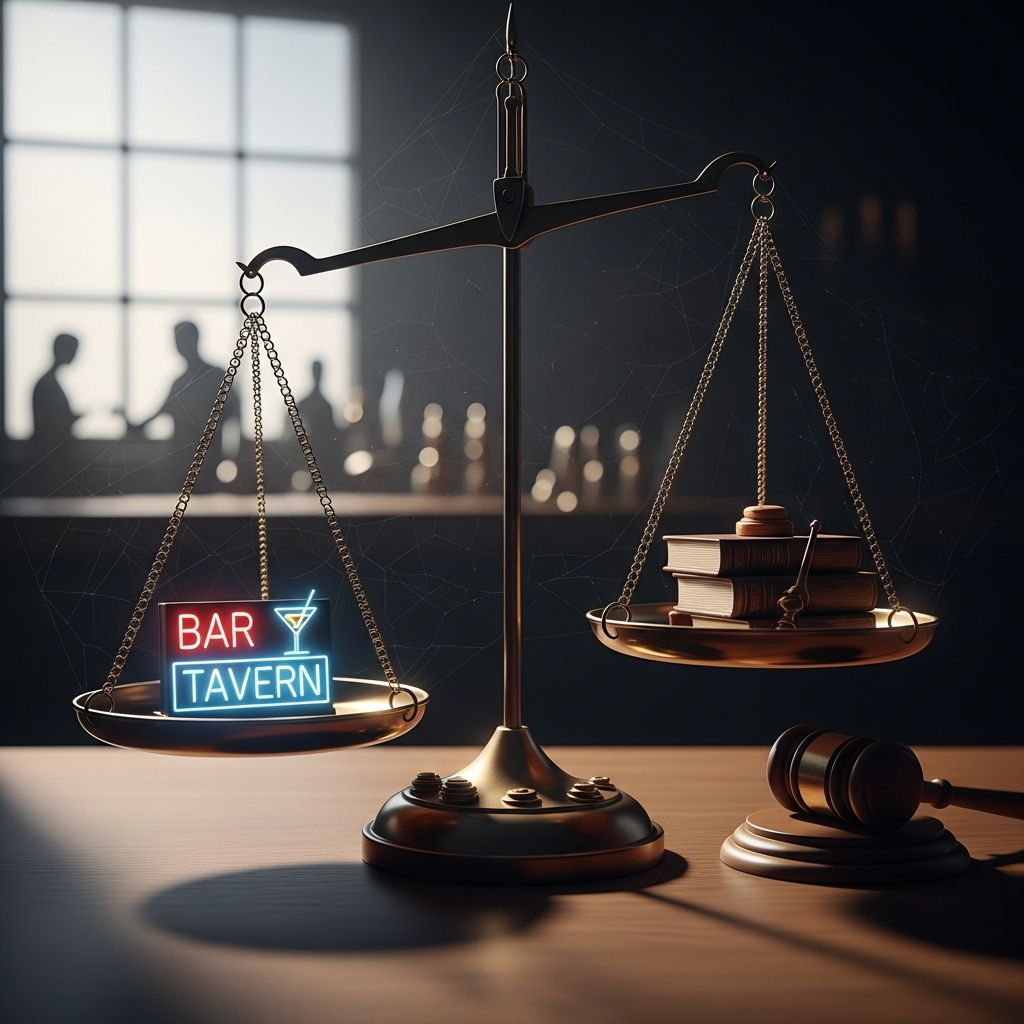
Alcohol-related incidents claim countless lives and cause widespread damage annually. When a visibly drunk individual leaves a bar and crashes into another vehicle, who bears responsibility beyond the driver? Dram shop laws provide a legal pathway for victims to seek redress from those who served the alcohol. These statutes aim to deter irresponsible serving practices by imposing civil liability on businesses and sometimes private individuals.
Historical Roots and Core Purpose of Dram Shop Regulations
The term “dram shop” traces back to 18th-century England, where taverns measured out small units of spirits known as “drams.” Today, these laws target modern equivalents—bars, restaurants, and liquor stores—that profit from alcohol sales. Their primary goal is to encourage responsible service, reducing incidents like drunk driving accidents, assaults, and property destruction.
By making servers financially accountable, dram shop rules shift some burden from innocent victims to those in control of alcohol distribution. This deterrence effect has proven effective in curbing overserving, though enforcement varies widely by jurisdiction.
Key Elements Required to Establish Dram Shop Liability
To succeed in a dram shop claim, plaintiffs must typically prove specific criteria. First, the server must have provided alcohol to a patron who was already visibly intoxicated—showing obvious signs like slurred speech, unsteady gait, or aggressive behavior. Second, that intoxication must be the proximate cause of the resulting harm, meaning the injury was a foreseeable outcome.
- Visible Intoxication: Courts demand clear evidence, such as witness testimony or security footage, not mere suspicion.
- Proximate Cause: The link between serving and harm must be direct; intervening events can break this chain.
- Negligent Service: Businesses train staff to cut off intoxicated customers, and failure to do so constitutes negligence.
In practice, these elements protect responsible establishments while targeting clear violations. For instance, handing a drink to someone stumbling toward the exit often meets the threshold.
Commercial Establishments Under the Microscope
Bars, clubs, restaurants, and even convenience stores with liquor licenses face the brunt of dram shop scrutiny. Liability arises when they sell or serve to minors under 21 or those showing intoxication. Many states extend responsibility to violations like selling outside permitted hours or types of alcohol.
| State Example | Key Liability Triggers | Source |
|---|---|---|
| Indiana | Furnishing to visibly intoxicated; proximate cause of harm | |
| Florida | Willful service to minors or habitual alcoholics | |
| Georgia | Service to underage or intoxicated drivers | |
| Michigan | Underage or visibly intoxicated patrons |
This table highlights state-specific nuances. In Indiana, “furnish” broadly includes any provision of alcohol, from sales to gifts. Florida carves out exceptions for lawful adults unless habitual addiction is known.
Social Host Liability: Private Parties in the Crosshairs
Not limited to businesses, some states impose dram shop-like rules on private individuals—termed social host liability. Hosting a backyard barbecue or house party? You could be liable if you serve alcohol to minors or obviously drunk guests who later cause harm.
Scope varies: California targets hosts serving intoxicated minors, while others like Maine apply more broadly. The rationale mirrors commercial laws—those controlling access to alcohol must act responsibly. Proving social host claims often hinges on evidence like guest lists, photos, or texts showing awareness of intoxication levels.
Special Cases: Minors and Habitual Drinkers
Service to Underage Individuals
Serving anyone under 21 triggers strict liability in most jurisdictions. Even one drink can lead to claims if the minor causes an accident. Establishments must verify IDs rigorously; ignorance is no defense.
Habitual Alcoholics and Known Addicts
Some laws single out chronic alcoholics. Florida, for example, holds servers liable for knowingly providing to those “habitually addicted,” proven via prior visits or medical records. Courts define this as inability to resist alcohol, supported by circumstantial evidence like frequent overconsumption patterns.
Navigating Claims: Deadlines, Notice, and Evidence
Time is critical in dram shop cases. Statutes of limitations range from 60 days to two years, often shorter than standard personal injury claims. Many states require written notice to the defendant within 60-180 days, detailing the incident and intent to sue. Miss this, and your case dies regardless of merits.
Gathering evidence strengthens claims:
- Security videos from the establishment
- Witness statements from staff and patrons
- Blood alcohol tests from the at-fault party
- Expert testimony on intoxication signs
Plaintiffs must also navigate defenses like comparative negligence, where the drunk driver’s fault reduces recovery.
Potential Compensation and Damages Available
Successful claimants recover economic and non-economic losses. Common awards include:
- Medical Expenses: Hospital bills, rehab, therapy
- Lost Income: Wages from missed work, future earning capacity
- Pain and Suffering: Emotional trauma, physical pain
- Property Loss: Vehicle repairs, replacements
Some states cap damages, limiting payouts in severe cases. Punitive damages may apply for egregious overserving, punishing willful negligence.
State-by-State Variations: A Patchwork of Protections
No uniform federal dram shop law exists; each state crafts its own. About 43 states plus D.C. have some form, but details differ profoundly.
- Strict States (e.g., Michigan, North Dakota): Broad liability for visible intoxication or minors.
- Limited States (e.g., Florida): Narrow to willful acts involving youth or addicts.
- No Dram Shop (e.g., a few outliers): Rely solely on general negligence.
Business owners must check local codes annually, as legislatures tweak them. Insurance like liquor liability policies covers many risks.
Preventive Measures for Businesses and Hosts
Avoid liability through training: Server courses teach spotting intoxication (e.g., BAC over 0.08% signs). Policies like two-drink limits, ID checks, and ride-share partnerships help. Social hosts should monitor guests, offer non-alcoholic options, and intervene early.
Impact on Personal Injury Litigation
Dram shop claims complement suits against drunk drivers, providing deeper pockets for recovery. Insolvent at-fault parties leave victims undercompensated without them. These laws balance industry interests with public safety, evolving with societal needs.
Frequently Asked Questions About Dram Shop Laws
What qualifies as “visibly intoxicated” under dram shop laws?
Visible signs include slurred speech, bloodshot eyes, poor coordination, or loud/aggressive behavior. Courts assess based on witness accounts and video evidence.
Can I sue a private party for overserving at a house party?
Yes, in social host liability states, if you serve minors or intoxicated guests who cause harm.
What is the typical statute of limitations for dram shop claims?
It varies: 60 days to 2 years. Some require notice within 90-180 days.
Do dram shop laws apply to off-premises sales like liquor stores?
Usually yes, if they sell to intoxicated or underage buyers.
Can the intoxicated person sue the bar for their own injuries?
Rarely; most laws protect self-inflicted harm, focusing on third-party victims.
Conclusion: Empowering Victims, Promoting Safety
Dram shop laws form a vital safety net, ensuring alcohol providers prioritize caution. Victims gain recourse, while servers adopt best practices. Consult local attorneys for jurisdiction-specific advice, as laws evolve rapidly.
References
- Dram Shop Laws — Wilson Kehoe Winingham Injury Lawyers. 2023. https://www.wkw.com/blog/dram-shop-laws/
- What Is Dram Shop Liability? — Boohoff Law. 2024. https://www.boohofflaw.com/what-is-dram-shop-liability/
- Exploring the Dram Shop Laws in Georgia — Van Sant Law. 2017-09-01. https://www.vansantlaw.com/blog/2017/september/exploring-the-dram-shop-laws-in-georgia/
- Dram Shop Laws in Your State — Insureon. 2025. https://www.insureon.com/small-business-insurance/liquor-liability/dram-shop-laws
- Dram Shop Laws and Liability for Drunk Driving Accidents — Justia. 2024. https://www.justia.com/injury/negligence-theory/dram-shop-laws/
- dram shop rule — Cornell Law School Legal Information Institute. 2025. https://www.law.cornell.edu/wex/dram_shop_rule
Similar Articles








Read full bio of Sneha Tete




