DoorDash Tip Scandal: Legal Battles and Driver Rights
Uncovering DoorDash's controversial tip practices, multimillion-dollar settlements, and the fight for fair pay in gig economy delivery.
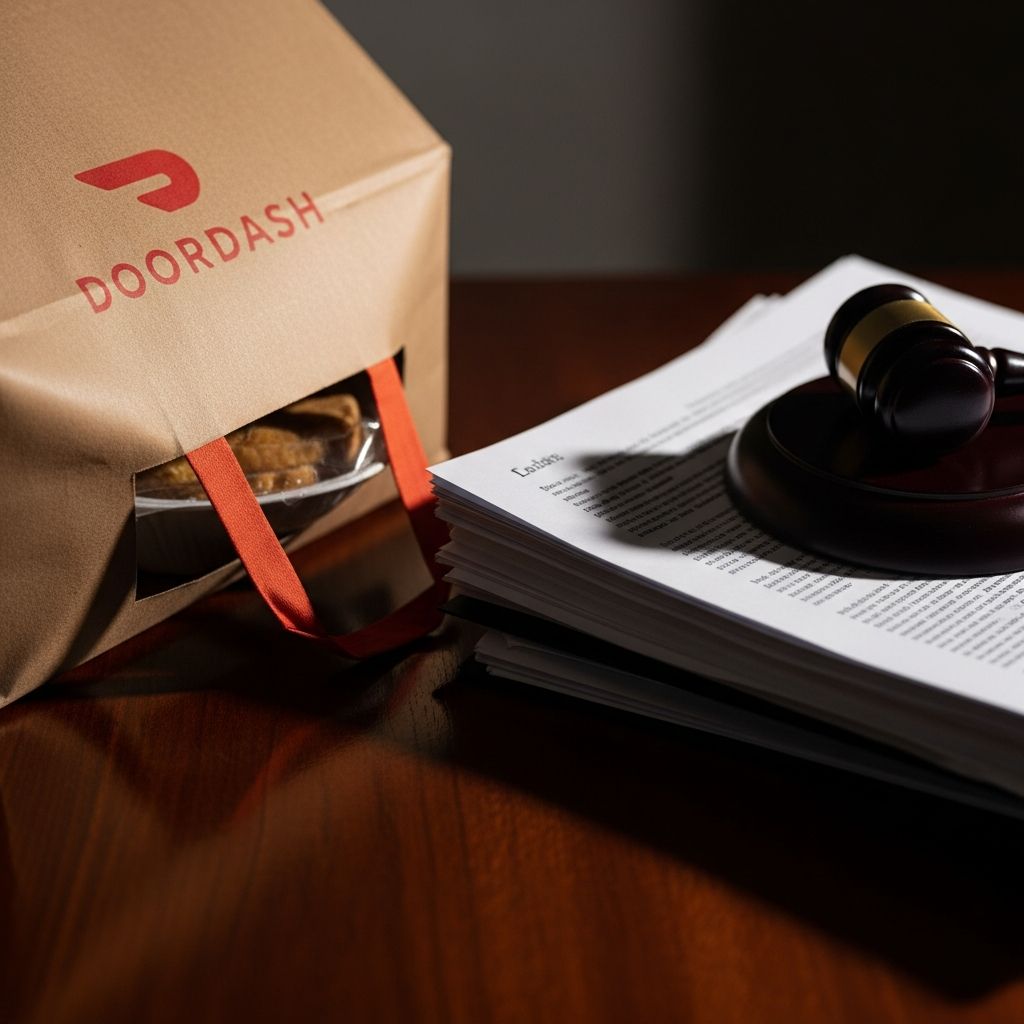
The gig economy has transformed how we order food, but behind the convenience lies a contentious issue: how delivery platforms handle tips. DoorDash, a dominant player in meal delivery, has been at the center of lawsuits alleging it diverted customer gratuities meant for drivers to cut its own costs. This practice sparked investigations, hefty settlements, and calls for greater transparency in worker compensation.
The Core of the Controversy: How Tips Were Allegedly Diverted
DoorDash’s payment model promised drivers a guaranteed minimum per delivery, typically covering base pay plus any extras. However, between 2017 and 2019, customers tipping through the app believed their money went directly and additionally to drivers. In reality, regulators found DoorDash applied tips toward fulfilling that minimum guarantee, reducing the company’s out-of-pocket expense without clearly informing users.
For instance, if a driver’s minimum payout was $10 and a customer tipped $5, DoorDash would pay only $5 from its funds, pocketing the tip as part of the total. Prompts like ‘Dashers will always receive 100 percent of the tip’ appeared at checkout, but fine print elsewhere obscured the offset mechanism. This led to widespread driver complaints and attorney general probes.
New York Attorney General’s Investigation and Landmark Settlement
In 2021, New York AG Letitia James launched a probe after drivers reported shortfall in earnings. The investigation confirmed deceptive practices from May 2017 to September 2019, affecting over 60,000 Dashers. On announcement day, James described it as a ‘bait-and-switch’ where customer goodwill subsidized DoorDash’s obligations.
The resolution? A $16.75 million settlement fund for impacted New York drivers, with payouts ranging from hundreds to thousands per claimant. DoorDash committed to reforms: clear disclosures on tip usage, detailed pay breakdowns per delivery, and four-year access to driver histories. The company must report compliance to the AG’s office, ensuring tips supplement rather than replace base pay post-2019 updates.


The Future of AI: Preventing a Big Tech Monopoly >

- Key Settlement Terms:
- $16.75M restitution pool for 60,000+ eligible drivers
- Mandatory transparent pay statements
- Ongoing AG oversight on tip handling
- Historical delivery data access for drivers
Broader Pattern: Similar Cases Across States
New York’s action wasn’t isolated. DoorDash faced parallel accusations elsewhere. In Washington, D.C., a 2020 settlement yielded $2.5 million for tip misuse. Illinois drivers received $11.25 million in 2024 over comparable claims. These cases highlight systemic issues in gig platforms where tips—often 100% promised to workers—get entangled with corporate minimums.
| Location | Settlement Amount | Year | Affected Drivers |
|---|---|---|---|
| New York | $16.75M | 2024 (announced) | 60,000+ |
| Washington, D.C. | $2.5M | 2020 | Not specified |
| Illinois | $11.25M | 2024 | Not specified |
Collectively, these payouts exceed $30 million, signaling regulators’ growing scrutiny of delivery apps.
DoorDash’s Defense and Post-2019 Changes
DoorDash maintains Dashers always kept 100% of tips, arguing its disclosures were adequate during the period. Since 2019, it shifted to a ‘DashMart’ model or similar, explicitly adding tips atop base pay. In a statement, the company expressed relief at resolving ‘years-old’ matters, emphasizing flexibility for millions of earners.
Yet, drivers dispute full transparency. Many report ongoing opacity in earnings calculations, fueling distrust. The settlements impose stricter rules, but enforcement remains key.
Gig Economy Challenges: Wages, Tips, and Worker Protections
Delivery drivers operate as independent contractors, lacking employee benefits but bearing high costs like gas and vehicle wear. Tips constitute a vital income slice, often 30-50% of take-home pay. When platforms manipulate them, it exacerbates precarious finances in an industry projected to grow amid rising food delivery demand.
Recent data suggests apps like DoorDash and Uber Eats withheld over $550 million in tips industry-wide, per advocacy reports. This underscores needs for federal guidelines on tip allocation, akin to restaurant laws under the Fair Labor Standards Act, which mandate tips as worker property.
Consumer Impact: Trust and Tipping Behavior
Customers, nudged to tip generously via app interfaces, feel misled when gratuities fund corporate minimums. Post-scandal, some report tipping less or switching apps. Platforms now face pressure for ethical design—clear, non-deceptive prompts without buried disclosures.
In response, cities like New York enacted laws mandating pre-checkout tip prompts with set amounts, sparking DoorDash/Uber lawsuits claiming it inflates costs and undermines post-delivery tipping freedom.
Legal Landscape and Future Reforms
Class actions persist nationwide, with drivers seeking backpay and policy overhauls. The Department of Labor eyes gig classification, potentially redefining contractors as employees with tip protections. States increasingly probe algorithms obscuring true earnings.
Advocates push for:
- Legislation barring tip offsets against guarantees
- Real-time, itemized pay transparency
- Worker input on algorithm changes
- Minimum wage floors inclusive of tips
What Drivers Can Do: Claiming Restitution and Protecting Rights
Affected Dashers should file claims promptly—New York’s portal remains open. Track earnings via apps, document discrepancies, and unionize where possible. Resources like state AG sites offer guidance.
Frequently Asked Questions (FAQs)
Did DoorDash really steal tips from drivers?
Investigations found DoorDash used tips to meet guaranteed minimums without clear disclosure, effectively reducing company contributions. Settlements confirmed this for 2017-2019.
How much will drivers get from the New York settlement?
Payouts vary; many receive low thousands, up to $14,000 for high-volume Dashers. Over 60,000 eligible.
Has DoorDash fixed its tip policy?
Post-2019, tips add to base pay, per company claims, with settlements enforcing disclosures and oversight.
Are other delivery apps involved in tip scandals?
Yes, Uber Eats and others face similar probes; industry totals exceed $550M in alleged withholdings.
Should I still tip DoorDash drivers?
Yes—tips directly support drivers. Check app policies for transparency on how they’re applied.
Implications for the Gig Economy’s Future
(Expanded analysis: The DoorDash saga exemplifies tensions between platform profits and worker equity. As delivery volumes surge—projected 15% annual growth through 2030—fair pay becomes pivotal for retention. Regulators may standardize practices, potentially via FTC rules on deceptive trade. Drivers gain leverage through collective action, while consumers demand honesty. Ultimately, sustainable models balancing convenience, compensation, and costs will define winners.)
This issue ripples beyond DoorDash, prompting industry-wide audits. Platforms must prioritize ethics to rebuild trust, ensuring tips truly empower the humans hustling through rain for our meals.
References
- DoorDash to pay $16.75 million over stolen tips from delivery drivers — Courthouse News Service. 2024-10-28. https://www.courthousenews.com/doordash-to-pay-16-75-million-over-stolen-tips-from-delivery-drivers/
- DoorDash Ordered to Pay NYC Dashers $17M After Stealing Their Tips — Vice. 2024-10-29. https://www.vice.com/en/article/doordash-ordered-to-pay-nyc-dashers-17m-after-stealing-their-tips/
- NYC sues delivery app over stolen tips, wages — PIX11 News (YouTube). 2026-01-15. https://www.youtube.com/watch?v=VduOaXlKDR4
- What Affordability Crisis? New York City Continues Asking Platforms… — DoorDash Newsroom. 2024 (approx). https://about.doordash.com/en-us/news/doordash-lawsuit-nyc-tipping-law
Similar Articles








Read full bio of Sneha Tete