
Dodgers Divorce: Path to Massive Malpractice Suit
How a flawed marital agreement in the McCourt Dodgers saga could trigger a nine-figure malpractice battle for lawyers.
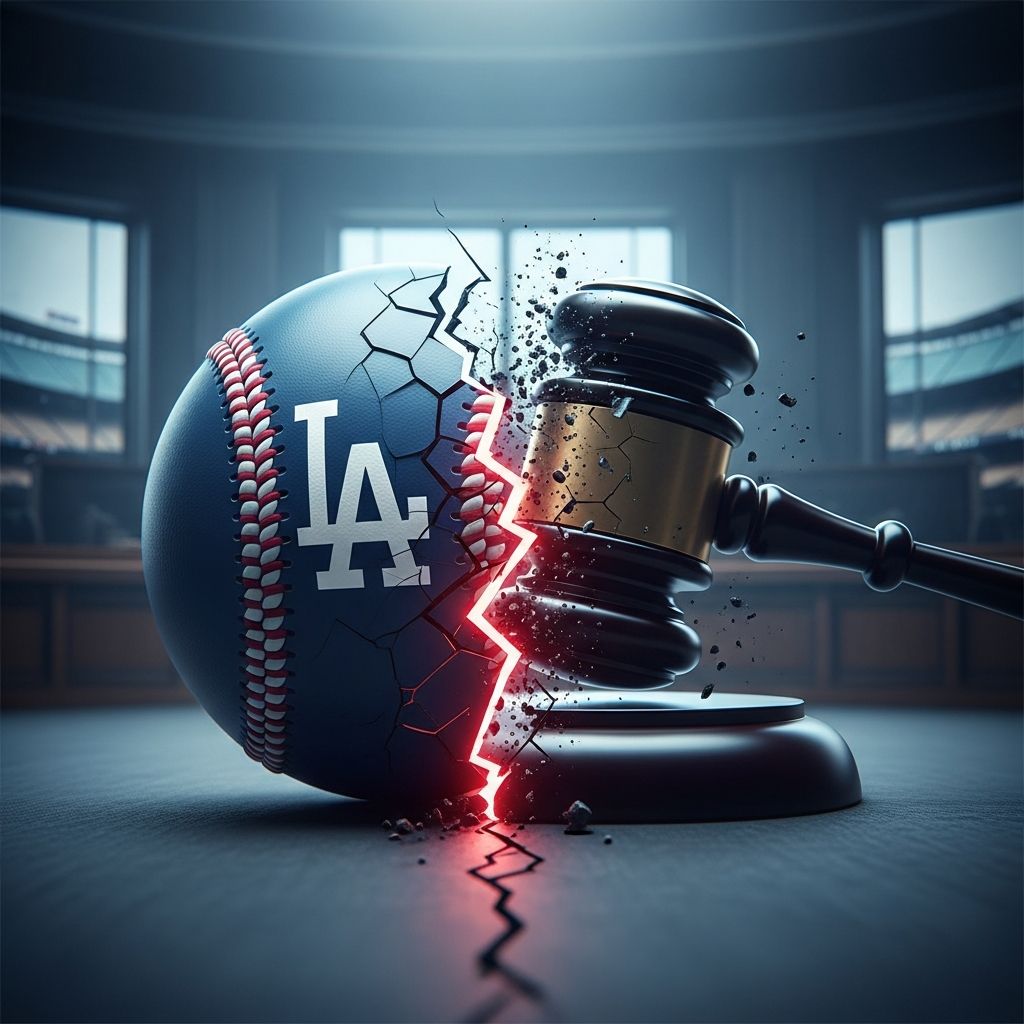
The high-profile divorce between Frank McCourt and Jamie McCourt, centered on ownership of the Los Angeles Dodgers, revealed a pivotal legal misstep that could result in one of the largest malpractice claims in sports law history. A postnuptial agreement meant to secure Frank’s sole control over the team was invalidated due to inconsistent wording across document copies, exposing attorneys at Bingham McCutchen to potential liability worth hundreds of millions.
Origins of the McCourt Dodgers Empire
Frank and Jamie McCourt built a business empire rooted in real estate before acquiring the Los Angeles Dodgers in 2004 for approximately $430 million. Frank positioned the team as his separate property through a postnuptial agreement drafted shortly after the purchase. Jamie, equipped with a law degree and MBA, rose to Vice Chairman and later CEO of the Dodgers, managing daily operations until their 2009 separation.
The couple’s marital assets included not just the Dodgers but also Dodger Stadium and related media rights. As financial pressures mounted, including MLB oversight and the team’s 2011 bankruptcy filing, the stakes escalated dramatically.
The Fatal Flaw in the Postnuptial Agreement
The 2004 postnuptial agreement aimed to classify the Dodgers as Frank’s exclusive separate property. However, six signed copies existed: three labeled the assets as “inclusive” of Frank’s separate property (suggesting shared marital assets), while three used “exclusive” (indicating sole ownership).
Attorney Peter Silverstein from Bingham McCutchen testified he noticed the discrepancy and unilaterally replaced pages in the “exclusive” versions to match the “inclusive” ones without notifying both parties. Frank claimed this was a minor correction aligned with their intent, but courts later deemed it a material alteration invalidating the document.
- Key Issue: Unilateral document changes without client consent breached professional standards.
- Court View: Inconsistent language created ambiguity, favoring Jamie’s co-ownership claim.
- Impact: Forced renegotiation of asset division amid Dodgers’ financial crisis.
Court Rulings That Shattered the Agreement
In 2010, Los Angeles Superior Court Judge Scott Gordon ruled the postnuptial invalid, granting Jamie 50% ownership of the Dodgers. This decision hinged on the conflicting exhibits, rejecting Frank’s argument that the main body clarified intent.
Subsequent proceedings saw Frank and Jamie settle in 2011: Frank paid Jamie $131 million cash, $50 million in property, and other benefits, with Jamie waiving future claims on Dodgers sale proceeds. Despite this, Jamie later appealed to set aside the settlement, alleging fraud, nondisclosure of asset values, and mistaken beliefs about the team’s worth.
The California Court of Appeal upheld the settlement in 2015, finding Jamie’s claims lacked credible evidence. The court noted she had access to disclosures but chose not to review them fully, undermining arguments of mistake or fraud.
| Key Court Milestones | Date | Outcome |
|---|---|---|
| Postnuptial Invalidated | 2010 | Jamie awarded 50% Dodgers ownership |
| Settlement Agreement | 2011 | Frank pays Jamie $181M+ benefits |
| Appeal Denied | 2015 | Settlement upheld; no fraud proven |
Legal Malpractice Claims Emerge
If the postnuptial had held, Frank could have avoided splitting the Dodgers, preserving full control and value. Legal experts predicted a “stupendous” malpractice suit against Bingham, potentially valuing half the team’s worth—hundreds of millions.
Bingham preemptively sued in Massachusetts for declaratory judgment, asserting compliance with care standards in drafting. Frank countered, arguing it pressured his strategy and risked privilege waiver.
“The lawyer will have to explain why he would unilaterally change a document without getting everyone’s permission.” — Andrew Waxler, malpractice defense expert
Frank’s Defense and Bingham’s Preemptive Strike
Frank opposed Bingham’s suit, claiming malpractice forced unfavorable divorce terms and bankruptcy. He sought to block arbitration, arguing the 2006 settlement didn’t cover the 2004 agreement.
Bingham’s complaint detailed efforts to draft per instructions, insisting the error was inadvertent and corrected appropriately. The firm aimed to limit exposure as Frank maneuvered through MLB scrutiny and sale talks.
Asset Valuation Disputes Fuel the Fire
Jamie alleged Frank hid offers to buy the Dodgers and undervalued assets like regional sports network rights. Courts found no sufficient evidence of concealment or reliance.
Frank’s disclosures were extensive, but Jamie claimed ignorance of key valuations produced in discovery. Appellate ruling emphasized personal responsibility in reviewing documents.
Settlement and Dodgers’ Sale Aftermath
The 2011 settlement allowed Frank to sell the Dodgers in 2012 for $2.15 billion to Guggenheim Baseball Management, yielding massive profits. Jamie’s waiver barred further claims, but the invalidated postnuptial cost Frank dearly in negotiations.
Bankruptcy proceedings under MLB monitor Tom Schieffer stabilized operations, enabling the lucrative sale.
Implications for Sports Franchise Divorces
This case underscores risks in high-value asset separations, especially sports teams. Postnuptial agreements must be airtight, with clear drafting and mutual consent for changes.
- Thorough disclosure prevents fraud claims.
- Document consistency avoids invalidation.
- Independent counsel protects against undue influence.
Family Code §2122 claims of mistake require proof of material impact, a high bar as seen here.
Lessons for Attorneys in High-Stakes Drafting
Malpractice exposure peaks in celebrity divorces with billion-dollar assets. Firms must document intent meticulously and secure approvals for revisions.
Bingham’s proactive litigation highlights strategies to shape venue and scope, though Frank’s opposition complicated matters.
Frequently Asked Questions (FAQs)
What caused the postnuptial agreement to fail?
Inconsistent wording in exhibits—”inclusive” vs. “exclusive”—across copies, plus unilateral page swaps by the attorney, led Judge Gordon to invalidate it in 2010.
Did Jamie McCourt get half the Dodgers?
Temporarily yes via the 2010 ruling, but the 2011 settlement gave her cash and property instead, waiving sale proceeds claims.
Was a malpractice lawsuit ever filed?
Bingham filed preemptively; Frank threatened but focused on settlement and sale. No nine-figure suit materialized publicly.
How much were the Dodgers sold for?
$2.15 billion in 2012, a windfall post-bankruptcy that highlighted the postnuptial’s potential value to Frank.
What are key takeaways for divorce involving businesses?
Ensure precise drafting, full disclosures, and no unilateral changes. Courts presume judgments correct absent clear abuse.
Broader Ramifications for Legal Practice
The McCourt saga influenced how attorneys handle ultra-wealthy clients with sports franchises. Emphasis grew on version control in agreements and multi-jurisdictional strategies. While no blockbuster malpractice verdict emerged, the threat reshaped caution in family law drafting.
Today, with Dodgers thriving under new ownership, the case remains a cautionary tale of how one word can unravel empires. (Word count: 1678)
References
- The Dodgers Debacle — Marquette University Law School Faculty Blog. 2011-08. https://law.marquette.edu/facultyblog/2011/08/the-dodgers-debacle/
- McCourt v. McCourt: The Great Dodger Divorce — Sports Litigation Alert. 2015-02-24. https://sportslitigationalert.com/mccourt-v-mccourt-the-great-dodger-divorce/
- Lawyer finds himself in middle of McCourts’ drama — Los Angeles Times. 2010-09-19. https://www.latimes.com/archives/la-xpm-2010-sep-19-la-sp-0920-mccourt-divorce-20100920-story.html
- In re Marriage of McCourt (2015) — Horvitz & Levy LLP. 2015. https://www.horvitzlevy.com/in-re-marriage-of-mccourt-2015/
Similar Articles








Read full bio of Sneha Tete




