
Photobombing: 5 Legal Tips To Avoid Lawsuits And Harassment Now
Uncover when jumping into photos crosses legal lines, from privacy rights to copyright rules in spontaneous shots.
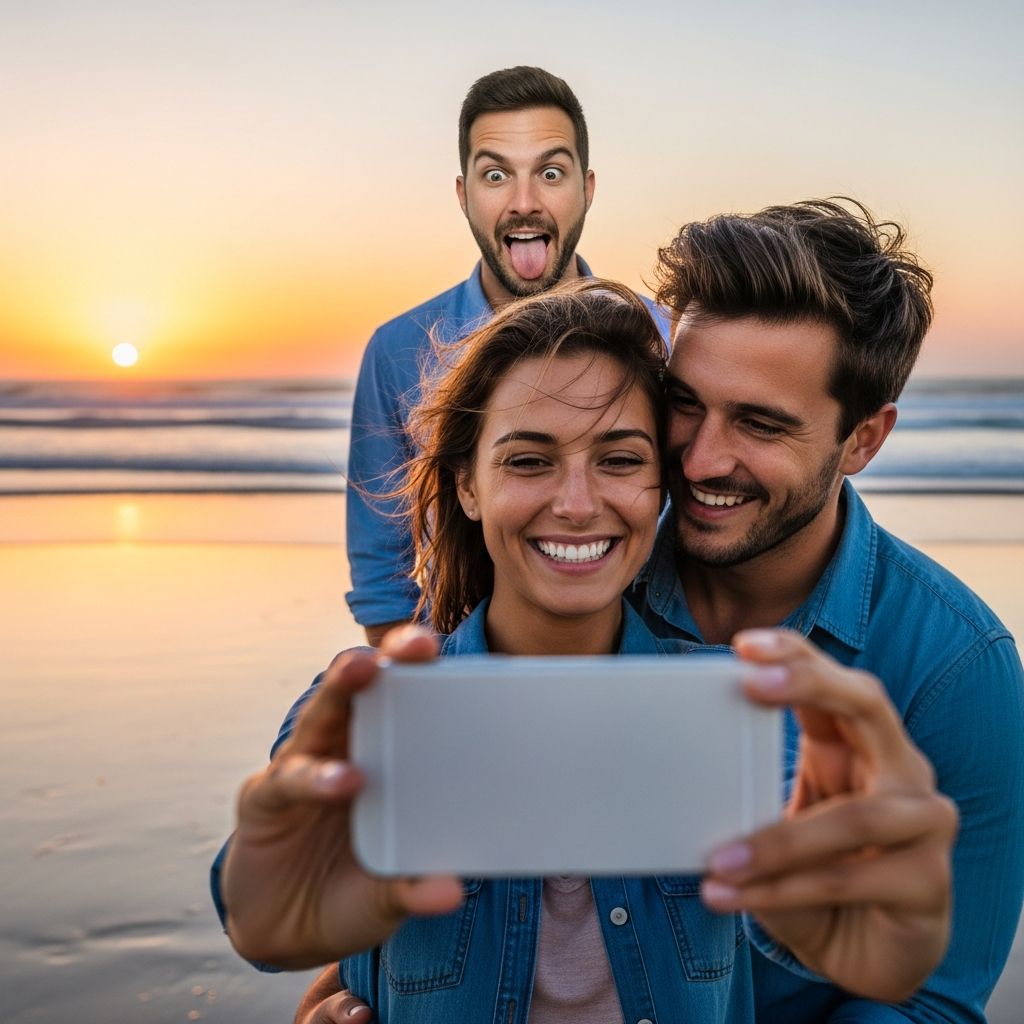
Photobombing—intentionally inserting oneself into someone else’s photo—often sparks fun moments but can lead to legal issues if it violates privacy or publicity rights. Generally, no permission is needed in public spaces for non-commercial use, but publishing or profiting changes everything.
Defining Photobombing in Legal Contexts
Photobombing occurs when a person deliberately appears in a photograph not intended for them, usually in public settings like streets or events. Legally, this intersects with photography laws allowing images in public without consent for personal use, but complications arise with distribution. In the U.S., public photography aligns with First Amendment protections, yet exceptions apply for intrusive acts.
Key distinction: Taking the photo versus sharing it. Courts differentiate based on location, identifiability, and use purpose. Photobombers rarely face issues for appearing, but the primary photographer must consider consent for identifiable faces in published images.
Public Spaces: Freedom to Photobomb?
In public areas, individuals lack ‘reasonable expectation of privacy,’ permitting photography without permission. Photobombing a street selfie typically poses no legal risk for the bomber or sharer if non-commercial. However, private property in public view (e.g., malls) may impose rules; venues like arenas often ban cameras.
- Allowed: Casual photobombs in parks or sidewalks for social media.
- Risky: Repeated intrusions suggesting harassment.
- Prohibited: Areas with ‘no photography’ signs, like certain government buildings.
California law, for instance, protects against ‘unreasonable intrusion’ into private activities even in public. Ethical photobombing respects reactions—backing off if discomfort shown prevents escalation.
Private Settings and Implied Consent
Private spaces demand explicit permission. Photobombing at weddings or parties assumes implied consent for event coverage, but not online publication. Guests understand photographers capture moments, yet model releases protect against commercial reuse.
| Setting | Consent Level | Example |
|---|---|---|
| Public Street | None needed for personal use | Photobombing tourist photo |
| Private Party | Implied for event; explicit for publish | Crashing group shot at birthday |
| Commercial Shoot | Written release required | Appearing in ad backdrop |
Implied consent arises when subjects know of photography and don’t object, like at paid events with signage. Photobombers should confirm context to avoid violations.
Privacy Rights and Intrusion Risks
Four privacy torts matter: intrusion, false light, appropriation, and disclosure. Photobombing rarely intrudes unless aggressive (e.g., touching subjects). ‘False light’ claims occur if edited images mislead about the photobomber’s actions.
Right of publicity prohibits using someone’s likeness commercially without consent. A photobomb in an ad implies endorsement, inviting lawsuits for damages. Non-commercial social posts usually safe unless defamatory.
Copyright Concerns for Photobombers
The photographer owns the copyright; photobombers have no automatic rights to the image. Reposting without permission infringes, risking takedowns or damages. Fair use exceptions allow limited critique or parody, but commercial repurposing needs clearance.
Photobombers seeking copies should request permission, ideally via model release for their protection too.
Commercial Use: Always Get Permission
Selling photobombed images or using in ads mandates releases from all identifiable people. Penalties include statutory damages up to $150,000 per infringement. Even viral memes monetized commercially trigger claims.
- Model Release Essentials: Name, usage rights, compensation, duration.
- Alternatives: Blur faces or crop out identifiers.
International Variations in Photobombing Rules
U.S. laws favor public photography; Australia mirrors this—no permission needed publicly unless illegal use. Europe (GDPR) requires consent for identifiable persons in published photos, stricter for commercial. Travelers should check local norms.
High-Profile Photobomb Cases
Celebrities like Ryan Reynolds face few issues due to publicity waivers, but private citizens sue over unauthorized commercial use. Viral photobombs on TikTok led to right of publicity suits when brands capitalized without consent.
Defamation claims arise if photobombs falsely imply scandal, e.g., staging compromising poses.
Best Practices to Photobomb Legally
Minimize risks:
- Ask before photobombing if subjects seem private.
- Avoid commercial intent without releases.
- Respect ‘no photos’ zones.
- Use humor ethically—don’t harass.
- For sharing, tag and credit originals.
Photographers: Post signs at events; obtain verbal consent on video for proof.
Frequently Asked Questions
Can I photobomb in public and post online?
Yes, for non-commercial use in areas without privacy expectation.
What if the photobomb goes viral and I monetize it?
Get releases from all faces; otherwise, risk infringement suits.
Is photobombing harassment?
Only if repeated or intrusive despite objections.
Do minors need parental consent?
Always for publication, especially commercial.
What’s a model release?
Legal form granting image use rights.
Navigating Social Media Photobombs
Platforms like Instagram amplify risks—algorithms push content, increasing exposure. Remove posts if subjects complain to avoid blocks or suits. Watermark ethically, but don’t claim ownership.
Influencers often use waivers in bios: ‘Photos may be shared.’ Follow suit for events.
Ethical Dimensions Beyond Law
Law sets minimums; ethics demand respect. Vulnerable groups (children, elderly) warrant extra caution. Consent builds trust, fostering better photography communities.
Photobombing thrives on joy—legal savvy ensures it stays fun, not litigious.
References
- Legal Consequences of Using Images Without Consent: Copyright and Consent in Photography — Gallio PRO. 2023. https://gallio.pro/blog/legal-consequences-of-using-images-without-consent-copyright-and-consent-in-photography/
- Posting Pictures Taken In Public – When Not Allowed — YouTube (Attorney explainer). 2023. https://www.youtube.com/watch?v=hav9fsBUzZY
- Consent in Photography – What to Think About When Photographing People — Digital Photography School. 2023. https://digital-photography-school.com/consent-in-photography-think-about-photographing-people/
- Photography and the law — Wikipedia (summarizing legal standards). 2026-04-01. https://en.wikipedia.org/wiki/Photography_and_the_law
Similar Articles








Read full bio of medha deb




