
Dividing the Family Vehicle in Divorce Proceedings
Navigating vehicle division in divorce: Understand ownership, valuation, debts, and strategies to secure your transportation needs post-split.
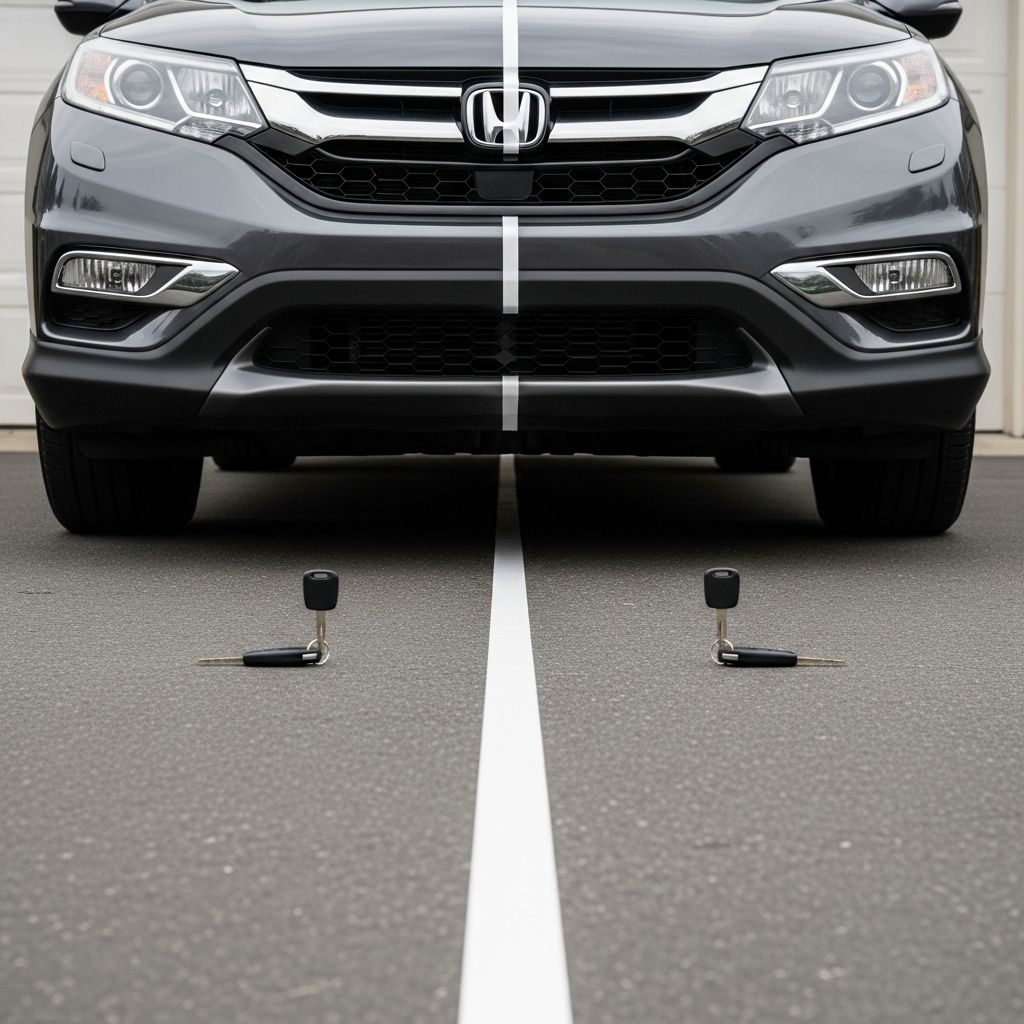
During a divorce, allocating personal assets like the family car often sparks significant disputes due to its practical necessity and financial value. Courts prioritize equitable outcomes based on state-specific laws governing marital and separate property, ensuring both parties maintain essential transportation while balancing overall asset distribution.
Understanding Property Classification: Marital vs. Separate Assets
The foundational step in vehicle division is classifying the car as either marital or separate property. Marital property includes assets acquired during the marriage, regardless of whose name appears on the title, making it subject to division. For instance, a vehicle purchased after marriage enters the marital estate, even if only one spouse’s name is listed, entitling both to equitable shares.
Separate property, conversely, encompasses items owned before marriage, received via inheritance, or gifted specifically to one spouse. These typically remain with the original owner, though courts in some jurisdictions may consider them in holistic divisions. Evidence like purchase receipts or gift documentation is crucial to prove separate status.
- Pre-marital purchases: Retained by the buyer unless commingled with marital funds.
- Inheritances: Protected as separate if not mixed into joint accounts.
- Post-separation acquisitions: Often deemed separate, especially in community property states like California where earnings after separation are individual.
Factors Courts Consider for Equitable Vehicle Allocation
Judges apply equitable distribution principles in most states, weighing multiple factors beyond mere ownership to achieve fairness. Income disparities, employment demands, and childcare responsibilities heavily influence decisions, as transportation supports daily obligations.
| Factor | Impact on Vehicle Award |
|---|---|
| Spousal Incomes | Higher earner may cede car to lower-income spouse for stability. |
| Transportation Needs | Parent with custody often prioritizes larger vehicles for child transport. |
| Financial Contributions | Payment history toward purchase or loans informs equity. |
| Asset Portfolio | Overall wealth balance may offset car retention. |
In parental scenarios, courts favor the primary caregiver retaining reliable transport for school runs and activities, underscoring family welfare.
Navigating Vehicle Titles, Registrations, and Legal Ownership
Title names do not solely dictate outcomes, particularly in equitable distribution states where judges scrutinize usage and contributions. In common law jurisdictions, titles hold more weight but yield to fairness considerations. Discrepancies between registered keepers and legal owners complicate matters, necessitating thorough documentation reviews.
Private elements like custom license plates add value, often separable from the vehicle itself and negotiable independently. Failing to verify ownership risks post-divorce disputes, as verbal agreements lack enforceability without court orders.
Handling Car Loans and Leases in the Divorce Process
Divorces distribute both assets and debts, with joint car loans persisting post-judgment unless refinanced. The spouse retaining the vehicle assumes payments, but lenders remain unbound by divorce decrees, holding both parties liable.
Leased vehicles pose unique challenges; courts may mandate assumption by one party, buyouts, or returns with lease-end liability splits. Negotiation often yields buy-sell agreements where one offsets the other’s equity via other assets.
- Refinance solely in retaining spouse’s name to release the other.
- Sell and divide proceeds net of outstanding debts.
- Trade vehicles to match individual needs and finances.
Negotiation Tactics and Alternative Dispute Resolution
Amicable resolutions via mediation or collaborative law preserve control, avoiding litigious delays and costs. Spouses list vehicles in financial disclosures, appraise via professionals, and trade for equivalent value assets like retirement offsets.
Courts discourage micromanaging minor assets, often ordering sales with proceeds allocation if parties impasse. Consent orders formalize agreements, compelling title transfers and averting future claims.
Valuation Methods for Accurate Asset Division
Precise appraisals ensure equitable splits. Standard approaches include:
- Kelley Blue Book or NADA values: Market-based estimates adjusted for mileage and condition.
- Professional appraisals: Independent mechanics or dealers for disputed high-value vehicles.
- Auction or dealer trade-in quotes: Real-world sale potentials.
Disclose all valuations transparently to facilitate settlements; undervaluation invites court scrutiny.
State-Specific Variations in Vehicle Division Rules
Community property states like California mandate 50/50 splits of marital assets, including vehicles, unless prenups dictate otherwise. Equitable distribution states (e.g., Illinois) prioritize fairness over equality, factoring needs and contributions.
Post-separation purchases may qualify as separate in separation-date jurisdictions, altering timelines. Consult local statutes: California’s Family Code § 771 designates post-separation earnings as separate.
Post-Divorce Actions: Title Transfers and Insurance Updates
Awarded vehicles require prompt title re-registrations in the sole owner’s name, often court-ordered. Update insurances independently to mitigate risks from ex-spousal lapses.
Non-compliance with transfer orders exposes contemnors to enforcement actions, underscoring legal finality.
Frequently Asked Questions (FAQs)
Can I keep the family car if it’s solely in my name?
Not automatically; marital purchase timing classifies it as joint property subject to division, irrespective of title.
What if the car was a gift during marriage?
Depends on state law; some recognize spousal gifts as separate if intent proven, others as marital.
Who pays the car loan after divorce?
The retaining spouse, but both remain liable to lenders until refinanced. Include debt allocation in settlements.
Should we sell the car during proceedings?
Avoid without court approval to prevent dissipation claims; await final judgment.
How does child custody affect car awards?
Courts favor custodial parents for practical transport needs, like larger SUVs for children.
Protecting Your Interests: When to Consult a Family Law Expert
Complex cases involving high-value vehicles, disputes, or intertwined debts demand attorney guidance. Professionals navigate disclosures, valuations, and orders, safeguarding mobility and finances amid emotional strain.
Proactive planning via prenups or postnups can preempt conflicts by clarifying vehicle dispositions upfront.
References
- Does My Spouse Have the Right to Keep a Family Car After Our Divorce? — Stogsdill Law Firm. 2023. https://www.stogsdilllaw.com/divorce-lawyers-dupage/does-my-spouse-have-the-right-to-keep-a-family-car-after-our-divorce
- I purchased a car with my wife and now we are divorcing. — Justia Answers. 2024-02-01. https://answers.justia.com/question/2024/02/01/i-purchased-a-car-with-my-wife-and-now-w-999704
- Who Gets the Car After Divorce? — DivorceNet. 2022. https://www.divorcenet.com/resources/who-gets-car-after-divorce.html
- Who Gets The Car in a Divorce — Fullers Family Law. 2023-06. https://fullersfamilylaw.com/blog/2023/06/who-gets-car-divorce/
- New Wheels: Cars after Divorce — Leigh Daniel Family Law. N/A. https://www.leighdaniellaw.com/blog/new-wheels-cars-divorce/
Similar Articles








Read full bio of medha deb




