
Distracted Driving Bans Expanding Nationwide
States strengthen hands-free laws to combat phone distractions, saving lives on roads amid rising enforcement.
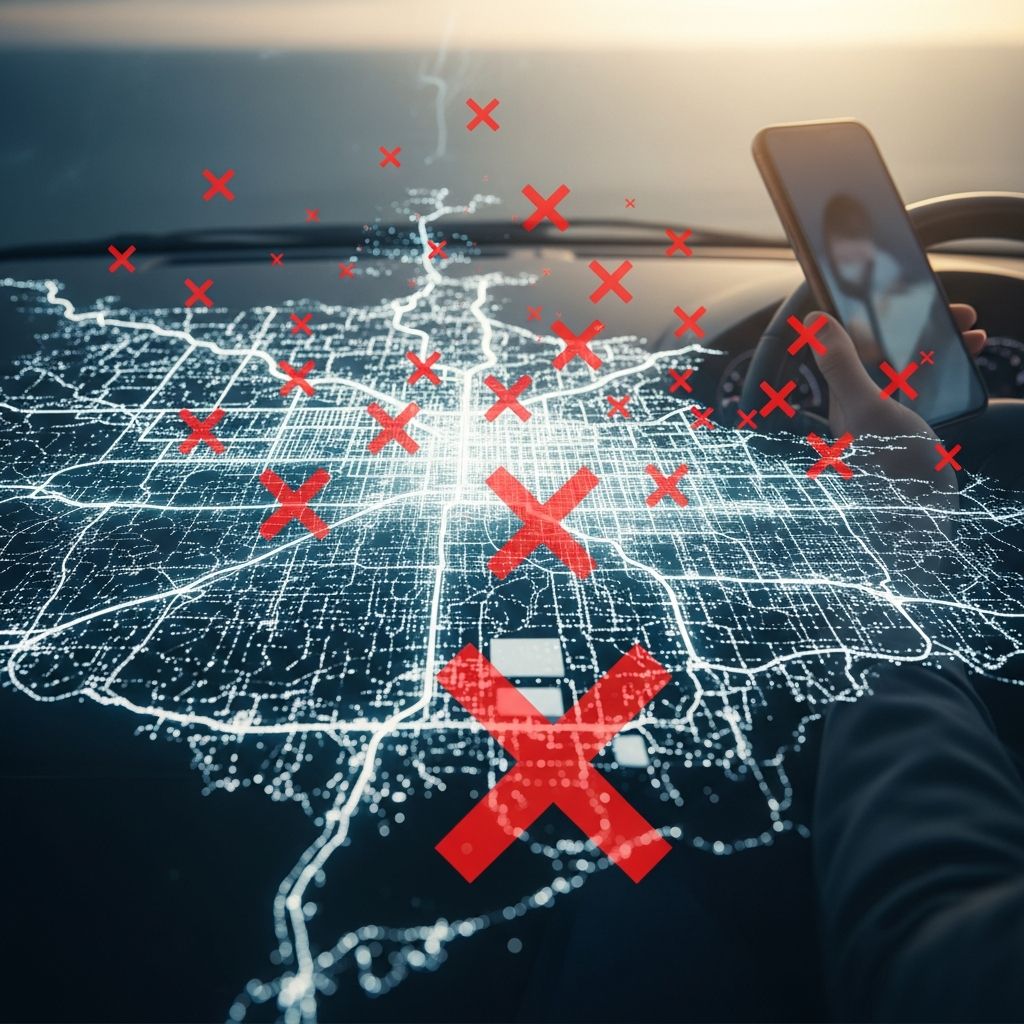
Across the United States, lawmakers are intensifying efforts to curb distracted driving by enacting stricter bans on handheld mobile device use. These measures address the persistent danger posed by smartphones, which divert attention from the road and contribute to thousands of crashes annually. Pennsylvania’s recent adoption of Paul Miller’s Law exemplifies this trend, making the state the 29th to implement a comprehensive hands-free policy effective June 5, 2025.
The Growing Threat of Mobile Distractions Behind the Wheel
Smartphone usage while driving remains a leading cause of traffic incidents. Data reveals that during daylight hours, over 326,000 drivers are engaged with cell phones at any moment, equivalent to half the population of Vermont. Texting exacerbates this risk, as reading a single message pulls eyes off the road for about five seconds— at 55 mph, that’s traversing a football field’s length blindfolded.
Visual, manual, and cognitive distractions from devices multiply crash risks. Nationally, no state bans all cellphone use for every driver, but 49 states plus Washington, D.C., and territories prohibit texting for all drivers, with most enforcing primary bans. Hands-free laws target broader handheld interactions, proving more enforceable than texting-only restrictions, as demonstrated in states like New York and California.
- Texting bans cover sending, reading, or writing messages, including emails and instant messages.
- Hands-free expansions prohibit holding devices, even at stops, to prevent all manipulative actions.
- Novice drivers face stricter rules in 36 states and D.C., while 25 states restrict school bus drivers.
Pennsylvania’s Paul Miller’s Law: A Milestone in Enforcement
Signed by Governor Josh Shapiro on June 5, 2024, Paul Miller’s Law prohibits drivers from using interactive mobile devices (IMDs) handheld while operating a vehicle, even when stopped at lights or in traffic. Named after a victim of a distracted driving crash, this primary offense allows police to pull over violators solely for device handling.
The law defines prohibited actions broadly: holding or supporting the device with hand or body, pressing more than one button to answer or dial, or reaching in a way that shifts the driver from a belted, seated position. Exceptions include hands-free calls, GPS, music, or emergency alerts.
| Phase | Effective Date | Penalty |
|---|---|---|
| First Year | June 5, 2025 | Written warning |
| Subsequent | June 5, 2026 | $50 fine + court costs (summary offense) |
Pennsylvania builds on its 2012 texting ban (75 Pa.C.S.A. § 3316), which fines $50 for text-based communications in motion, without points for non-commercial drivers. The new rule escalates to full handheld prohibition, with homicide by distracted vehicle carrying up to five extra prison years.
National Landscape of Distracted Driving Regulations
Washington pioneered texting bans in 2007; today, nearly all jurisdictions follow suit. Hands-free mandates vary: 29 states now restrict handheld use for all drivers, per Pennsylvania’s entry. The Governors Highway Safety Association advocates universal handheld prohibitions, citing enforcement successes.
Neighboring states like New York impose points and suspensions for repeat offenses, a potential future for Pennsylvania. Primary enforcement empowers officers without additional violations needed, unlike secondary laws requiring other infractions first.
- All drivers: 49 states ban texting (primary in most).
- Handheld bans: Expanding to 29 states.
- Restricted groups: Novices (36 states), school buses (25 states).
Why Stricter Laws Are Essential: Data and Impacts
Distracted driving claims lives and escalates injury crashes. NHTSA tracks these as major contributors, urging state-specific checks via resources like GHSA. Pennsylvania’s delay until 2025 stemmed from legislative resistance, but public safety demands prevailed.
Enforcement pilots show handheld bans reduce usage effectively. Post-implementation, awareness campaigns by PennDOT, State Police, and insurers amplify compliance during Distracted Driving Awareness Month.
Safe Driving Practices in a Hands-Free Era
Compliance starts with preparation: mount phones for voice activation, use vehicle-integrated systems, or pull over safely for necessities. Apps and Bluetooth minimize risks without handling.
- Enable do-not-disturb driving modes.
- Secure devices out of reach.
- Report reckless drivers via state hotlines.
- Educate passengers on distractions.
Employers enforce policies for fleets, aligning with federal trends.
Legal Consequences and Insurance Ramifications
Violations accrue fines, fees, and potential points in stricter states. Insurance hikes follow convictions, as carriers view distracted records as high-risk. Commercial drivers face logged violations.
In crashes, admissions of phone use strengthen liability claims, per legal precedents.
Challenges in Implementation and Public Response
Critics cite overreach, but proponents highlight lives saved. Initial warnings ease transition, with full fines by mid-2026. PSP vows strict enforcement.
Tech evolves: built-in assistants reduce needs for handheld actions.
Frequently Asked Questions
Is checking my phone at a red light allowed under new laws?
No, Paul Miller’s Law bans handheld use even when stopped temporarily.
Does this apply to all vehicles?
Yes, for motor vehicles; exemptions for integrated systems or emergencies.
What if I need to dial a call?
Pressing more than one button or holding is prohibited; use voice commands.
Will I get points on my license?
Currently no in Pennsylvania, but fines apply from 2026.
Can police seize my phone?
No, the law does not authorize device seizure.
Future Directions for Road Safety Legislation
Expect further expansions: data-driven adjustments, AI enforcement, and national standards. States monitor metrics to refine penalties, potentially adding points. Public education remains key to cultural shifts away from device dependency.
Drivers embracing hands-free norms pave safer roads for all.
References
- Pennsylvania’s Additional Prohibition on Cell Phone Use While Driving — Gross McGinley. 2025. https://www.grossmcginley.com/resources/blog/pennsylvania-hands-free-driving-law-2025/
- Distracted Driving — Governors Highway Safety Association. 2023. https://www.ghsa.org/state-laws-issues/distracted-driving
- Distracted Driving — Pennsylvania Department of Transportation. 2025. https://www.pa.gov/agencies/penndot/traveling-in-pa/safety/traffic-safety-driver-topics/distracted-driving
- What to know as new distracted driving law takes effect in Pa. — WVIA. 2025-06-01. https://www.wvia.org/news/local/2025-06-01/what-to-know-as-new-distracted-driviing-law-takes-effect-in-pa
- Shapiro Administration Urges Drivers to Put the Phone Down — Pennsylvania Insurance Department. 2025. https://www.pa.gov/agencies/insurance/newsroom/shapiro-administration-urges-drivers-to-put-the-phone-down-and-d
- Distracted Driving Dangers and Statistics — NHTSA. 2025. https://www.nhtsa.gov/risky-driving/distracted-driving
Similar Articles








Read full bio of medha deb




