
Key Lessons from Disney Park Injury Cases
Discover vital personal injury insights from real Disney lawsuits, from slip-and-falls to ride mishaps and safety protocols.
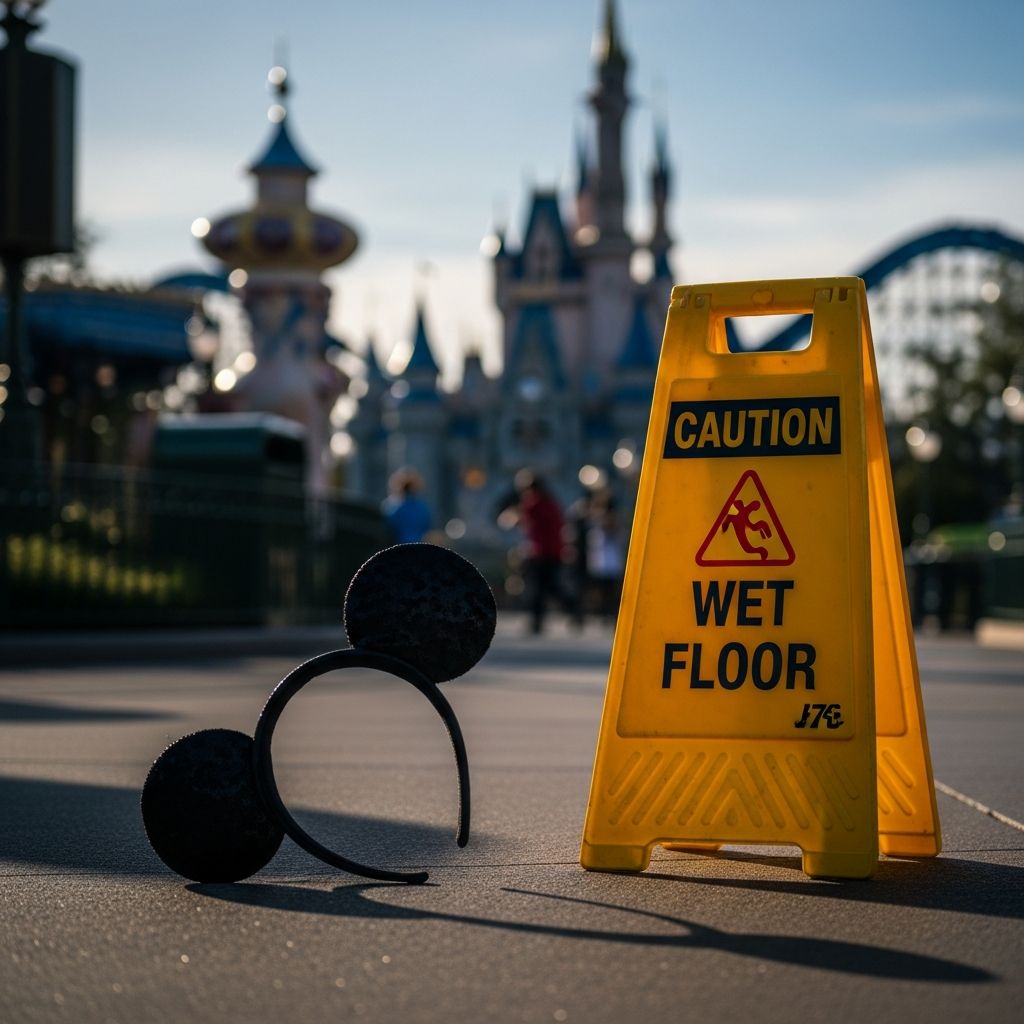
Theme parks like those operated by Disney attract millions of visitors annually, offering magical experiences amid thrilling rides and immersive attractions. However, beneath the enchantment lies a reality where accidents occur, leading to personal injury claims and lawsuits. These cases reveal important principles of premises liability, employee responsibilities, and guest awareness that can prevent harm and guide legal recourse. By examining real-world examples from Disney properties, we can extract actionable insights for safer visits and stronger claims when negligence arises.
Understanding Premises Liability in Entertainment Venues
Premises liability forms the backbone of many Disney injury lawsuits. Property owners, including massive theme park operators, must maintain safe conditions for invitees—paying guests who enter for business purposes. This duty includes regular inspections, prompt repairs, and adequate warnings for known hazards. Florida courts, where Walt Disney World resides, emphasize that landowners are liable for foreseeable injuries from dangerous conditions, even if somewhat obvious.
Consider a scenario where a guest steps off a curb at Magic Kingdom, unaware of loose caulking that causes a fall and knee injury. Courts have ruled that such disrepair, if known to the park, constitutes negligence because Disney should anticipate tripping risks. Similarly, storm drains in parking areas have trapped ankles during guest crossings encouraged by staff, raising questions about whether directing foot traffic over hazards breaches the duty of care.
Common Hazards and Owner Responsibilities
- Uneven surfaces: Curbs, sidewalks, and caulking that degrade over time must be monitored.
- Drainage systems: Storm drains pose risks if not clearly marked or if paths lead directly over them.
- Seasonal decorations: Holiday setups on handrails can create slip points if not secured properly.
Statistics highlight the prevalence: nearly half of federal lawsuits against major Florida theme parks involve trips or falls, underscoring the need for vigilant maintenance.
Employee Training and Instructional Failures
Disney employees interact directly with guests, making their training pivotal. Courts hold companies vicariously liable for staff negligence, such as failing to warn about ride procedures or attraction dangers. In one case, a water ride patron sued after improper descent instructions led to injury; the court stressed Disney’s duty of reasonable care to invitees.
Another incident involved a haunted mansion “doom buggy” where a minor exited prematurely, climbed a railing, and fell 15 feet. The case proceeded to trial because questions of park negligence and the child’s comparative fault remained unresolved. These examples illustrate that clear, consistent instructions can mitigate risks, and lapses may expose Disney to liability.
| Case Type | Employee Role | Key Ruling |
|---|---|---|
| Water ride descent | Failed warnings | Duty of reasonable care affirmed |
| Attraction exit | Inadequate barriers/instructions | Summary judgment denied |
| Horseback trail | Misrepresented ride risks | Jury to decide negligence |
Ride Safety and Informed Consent
Amusement rides amplify injury potential, from high speeds to sudden movements. Lawsuits often hinge on whether parks adequately disclose risks and enforce safety protocols. A honeymooner suffered a fatal brain hemorrhage post-Indiana Jones ride, prompting a wrongful death suit alleging the ride exacerbated her condition. Though settled confidentially, it spurred ride safety evaluations.
In horseback ride claims, families argued employees downplayed stampede dangers despite calling it a ‘walking trail.’ Courts found juries could reasonably infer negligence, reversing summary judgments. Guests signing waivers do not absolve parks if misrepresentations occur, especially for minors unable to fully appreciate risks.
Guest Contributory Negligence and Defense Strategies
Disney frequently defends by highlighting guest fault. Juries have awarded zero damages when evidence showed plaintiffs ignored obvious dangers, like not watching footing near visible storm drains or decorations. In a handrail decoration slip, the jury sided with Disney, likely viewing the hazard as open and obvious.
Florida’s comparative negligence reduces awards proportionally to guest fault but bars recovery if over 50%. Defense verdicts emphasize personal responsibility, such as distractions or deliberate off-path actions.
Emergency Response and Wrongful Death Claims
Beyond slips, severe incidents test response protocols. A 1981 Disneyland stabbing saw delayed aid when staff used a private van instead of ambulances, resulting in a $600,000 wrongful death award and policy reforms. Such cases demand evidence of causation, from medical expenses to emotional distress, often filed against insurers first.
Steps to Take After a Disney Injury
- Seek medical attention immediately: Document all care for your claim.
- Report the incident: Get a park incident report with details and witness contacts.
- Gather evidence: Photos, videos, and timestamps strengthen premises liability proofs.
- Consult a lawyer: Experts navigate waivers, statutes of limitations (typically 2-4 years), and negotiations.
- Avoid social media: Statements can undermine claims.
Compensation may cover bills, lost wages, pain, and punitive damages in gross negligence.
Frequently Asked Questions
Can I sue Disney if I trip on a curb?
Yes, if Disney knew of the hazard and failed to warn or fix it, proving negligence.
Do ride waivers protect Disney completely?
No, waivers don’t cover misrepresented risks or employee errors.
What if I’m partly at fault?
Comparative negligence applies; awards reduce by your fault percentage.
How much are Disney settlements?
Varies widely; many settle pre-trial, from thousands to millions for severe cases.
Is Disney liable for medical emergencies on rides?
Possibly, if ride forces foreseeably worsen conditions without warnings.
Preventing Injuries: Park and Guest Best Practices
Parks should invest in AI surveillance, real-time hazard alerts, and staff drills. Guests benefit from situational awareness, proper footwear, and heeding signs. These mutual efforts reduce lawsuits and enhance enjoyment.
In summary, Disney cases teach that negligence arises from ignored hazards, poor training, and inadequate warnings. Visitors armed with this knowledge can navigate parks safely and pursue justice effectively when harmed.
References
- Case Examples of Injury Lawsuits Against Disney World — South Florida Injury Accident Blog. 2023. https://southfloridainjuryaccidentblog.com/case-examples-of-injury-lawsuits-against-disney-world/
- Walt Disney World Slip and Fall Settlements and Claims (Florida) — Justin Ziegler Law Firm. 2023. https://www.justinziegler.net/walt-disney-world-slip-fall-claims-florida/
- Disney Hit With Premises Liability Lawsuit — The Pendas Law Firm. 2023. https://www.pendaslaw.com/disney-hit-with-premises-liability-lawsuit/
- Disneyland Deaths: Legal Perspectives — Roberts | Jeandron Law. 2023. https://www.robertslawfirm.net/disneyland-deaths/
Similar Articles








Read full bio of Sneha Tete




