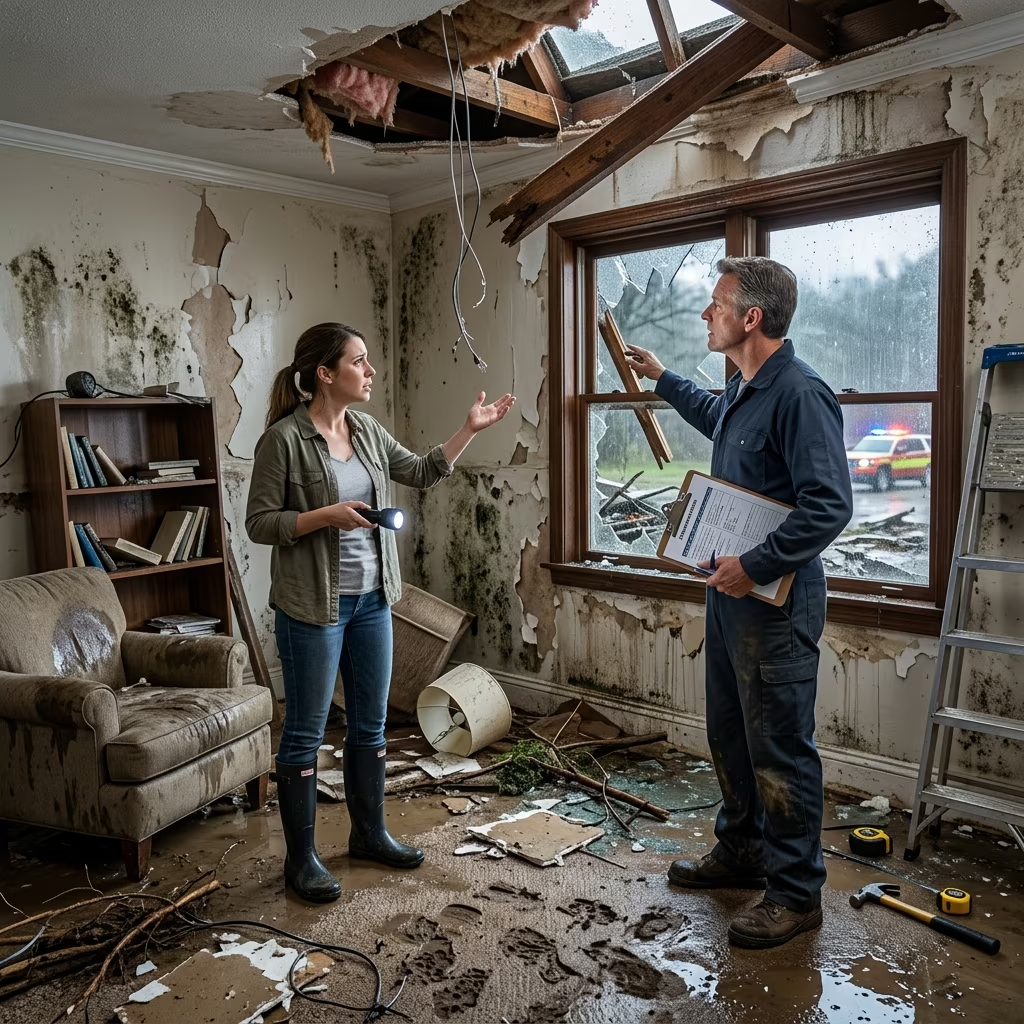
Storms, floods, fires, hurricanes and other disasters can damage rental homes in an instant, leaving both landlords and tenants scrambling to figure out who must repair what and who bears the financial loss. Understanding these responsibilities before and after a disaster can help renters protect their rights and landlords manage risk and legal obligations.
This guide explains how disaster damage is usually handled in residential rentals, with a focus on habitability, lease rules, repairs, rent obligations, and personal property. Laws vary by state, but the general principles described here are widely reflected in landlord–tenant statutes and consumer legal guidance.
Key Principles of Responsibility After a Disaster
When a disaster affects a rental property, three core questions usually determine who is responsible:
- Who owns the damaged property? The building itself is the landlord’s asset, while furniture, clothing, electronics and vehicles generally belong to the tenant.
- Was anyone negligent? If a landlord or tenant failed to take reasonable care and that failure contributed to the damage, they may be liable for resulting losses.
- What does the lease say? Many leases include specific “casualty” or disaster clauses that allocate repair and termination rights when serious damage occurs.
In most jurisdictions, landlords are primarily responsible for keeping the rental unit in a safe, habitable condition and repairing structural and systems damage, while tenants are responsible for their own belongings and for damages they cause through misuse or negligence.
Landlord Duties: Habitability and Structural Repairs
Even after a disaster, landlords generally remain responsible for providing a unit that meets basic health and safety standards. This obligation is often called the warranty of habitability, and is either written into state law or implied in most residential leases.
Typical Landlord Responsibilities
- Repairs to the building and major systems such as walls, roof, floors, electricity, plumbing, and heating/air systems damaged by disaster.
- Addressing hazards like exposed wiring, sewage back-up, structural instability, and serious mold growth that make the unit unsafe.
- Working within a reasonable time frame to restore the unit, once notified of the damage and as conditions allow after the disaster.
- Complying with housing codes and inspection orders from local building, health, or fire departments.
Legal aid groups repeatedly stress that landlords cannot simply ignore disaster damage that makes a home unsafe or unlivable; they must take steps to repair or risk rent reductions, lease termination, or potential lawsuits from tenants.
What if Repairs Are Delayed?
After major disasters, landlords may face insurance delays, contractor shortages, and access problems. These realities can slow repairs, but they do not erase legal duties. Tenants are usually advised to document the damage and the landlord’s response, and to seek legal help if repairs are not made in a reasonable time.
In some states, laws explicitly allow tenants to:
- Seek court orders compelling repairs if the landlord fails to act.
- Reduce rent to reflect the diminished value of a partially damaged unit until repairs are completed.
- Terminate the lease if the unit remains unlivable or seriously damaged for an extended period.
Tenant Duties and Limits of Landlord Responsibility
Tenants also have important obligations in the aftermath of a disaster. Moreover, there are clear limits on what landlords must cover, especially regarding personal property and damage caused by the tenant.
Tenant Responsibilities After Disaster
- Notify the landlord promptly about any damage, in writing where possible, and keep copies for records.
- Allow reasonable access to the unit for inspection and repairs, when it is safe to do so.
- Protect their own property by removing valuables if safe, and by contacting their renters insurance carrier if they have coverage.
- Avoid unsafe self-repairs unless clearly allowed by law and written lease terms; many states bar tenants from deducting repair costs from rent without consent.
Personal Property: Usually the Tenant’s Loss
Guidance from multiple legal aid organizations emphasizes that, in most cases, landlords are not legally responsible for a tenant’s personal property damaged by a natural disaster.
Examples of tenant-owned property include:
- Clothing and shoes
- Furniture, mattresses and household goods
- Electronics such as TVs, computers, and phones
- Vehicles parked on or near the property
These items are generally covered, if at all, by the tenant’s renters insurance or other personal insurance policies. Without such coverage, the loss often falls entirely on the tenant unless the landlord’s prior negligence contributed to the damage.
Negligence Changes the Picture
Landlords can sometimes be held responsible for tenant property loss if a pre-existing defect that they failed to repair worsened the disaster’s impact. For example, a known leaking roof left unrepaired might allow storm rain to destroy tenants’ belongings.
In such cases, legal aid materials explain that tenants may claim compensation if they can show both:
- The landlord had notice of the problem and failed to fix it within a reasonable time.
- The failure directly contributed to the damage to personal property during the disaster.
When Is a Rental “Unlivable”?
Whether a damaged unit is still habitable is critical. Many tenant rights, such as rent reduction or lease termination, depend on whether the home is completely unlivable or only partially impaired.
Common Indicators of an Unlivable Unit
- Serious structural damage (collapsed ceilings, unstable floors or walls).
- Loss of essential utilities like water, electricity, sewage service or safe heating/cooling for extended periods.
- Severe contamination or mold that creates significant health risks.
- Official condemnation or orders from inspectors barring occupancy.
Consumer legal flyers often advise tenants to document conditions with photos or videos, obtain inspection reports, and keep all communications with the landlord to establish whether the unit is safe for continued occupancy.
Options When the Unit Is Unlivable
Where state law allows, tenants in uninhabitable units may be able to:
- Terminate the lease with written notice and move out.
- Stop paying rent from the date the unit becomes unlivable, while properly notifying the landlord.
- Seek return of security deposits and prepaid rent after termination.
Legal guidance stresses that tenants should not simply abandon the unit or withhold rent without documentation; formal notice and legal advice help avoid later disputes.
Partial Damage: Rent Reduction and Continued Tenancy
Not all disaster damage makes a home entirely unsafe. When only part of the unit is affected, tenants may still live there but experience reduced use or comfort. Some state laws recognize this situation and permit a proportional rent reduction or other remedies.
Examples of Partial Damage
- One bedroom unusable due to a roof leak, while other rooms remain functional.
- Flooding confined to a basement storage area.
- Damaged exterior features, such as fences or decks, with the interior largely intact.
Legal aid materials explain that tenants may negotiate or legally request a rent reduction that matches the diminished value of the unit, or pay rent only for the portion they can safely use.
| Situation | Habitability Status | Typical Tenant Options |
|---|---|---|
| Severe structural failure, no utilities, official condemnation | Unlivable | Terminate lease, stop rent, seek deposit return, move out |
| Some rooms damaged, others safe and functional | Partially habitable | Request repairs, seek proportional rent reduction, remain in unit |
| Minor cosmetic damage, utilities intact, no safety risk | Habitable | Request repairs, continue to pay full rent, document issues |
Insurance: Landlord Policies vs. Renters Coverage
After a disaster, losses are often sorted out through insurance rather than direct landlord–tenant payments. Understanding the difference between property insurance and renters insurance can clarify who gets reimbursed for what.
Landlord Insurance
- Property insurance typically covers damage to the building’s structure, common areas, and sometimes the landlord’s fixtures and appliances.
- Policies may include coverage for certain disasters but exclude others, such as flood damage unless a separate flood policy exists.
- Insurance payouts help landlords finance repairs needed to restore habitability.
Renters Insurance
- Designed to cover tenant-owned personal property against specific hazards, often including theft, fire, and some storm damage.
- Many policies also include loss of use benefits, helping pay for temporary housing if the rental becomes uninhabitable.
- Renters insurance does not usually cover every type of disaster; tenants should review exclusions and consider add-ons where needed.
Legal guides recommend that renters review their policies carefully and file claims promptly after documenting losses with photos, videos, and itemized lists.
Step-by-Step Actions for Tenants After a Disaster
Because the period immediately after a disaster is chaotic, having a simple checklist can help tenants protect their rights and make sound decisions.
- 1. Ensure safety first. Leave unsafe premises and follow evacuation orders. Do not re-enter until authorities say it is safe.
- 2. Document everything. Take photos and videos of damage to both the unit and personal property, and list damaged items.
- 3. Notify your landlord in writing. Send a dated letter, email, or other written notice describing the damage and requested repairs. Keep copies.
- 4. Request inspections. Contact local building, health, or fire officials if you believe the property is unsafe, and keep inspection reports.
- 5. Review your lease. Look for clauses about casualty, disaster, repairs, or termination, and follow any notification requirements.
- 6. Contact your renters insurance. File claims promptly and provide documentation of your losses.
- 7. Consider legal help. If repairs are delayed or disputes arise over rent or termination, contact legal aid or a housing attorney.
Frequently Asked Questions (FAQs)
1. If my rental floods, does my landlord have to pay for my damaged furniture?
In most cases, no. Legal aid sources indicate that landlords are usually responsible for the unit itself, not the tenant’s personal belongings. Damaged furniture and other items are typically covered, if at all, by the tenant’s renters insurance or disaster assistance programs.
2. Can I move out immediately if my apartment becomes unsafe after a disaster?
Often yes, especially if the home is clearly unlivable. Many state laws permit tenants to terminate the lease when the unit is destroyed or becomes unsafe due to a natural disaster, as long as the tenant provides notice and follows any statutory requirements. Check local law or consult legal aid before stopping rent or abandoning the unit.
3. Does my landlord have to provide me with temporary housing?
Generally, landlords are not legally required to house tenants elsewhere when a disaster makes the unit uninhabitable, unless a lease or local regulation specifically says otherwise. Tenants usually rely on renters insurance, public disaster assistance, or personal funds for temporary lodging.
4. What if the landlord refuses to make repairs after the disaster?
Tenants should document the damage, send written repair requests, and keep copies. If the landlord fails to act within a reasonable time, some state laws allow tenants to seek court orders, rent reductions, or lease termination. Legal aid organizations frequently help renters navigate these options.
5. Am I responsible for damage that I did not cause?
Tenants are generally not responsible for natural disaster damage that is not tied to their actions. However, if the tenant’s negligence or misuse of the property contributed to the damage, they may be liable for those portions of the loss.
References
- Rental Property Problems after Disaster — Community Legal Services of Mid-Florida. 2021-09-01. https://www.legalaccessforall.org/get-help-post/disaster-relief/rental-property-problems-after-disaster/
- When There Is a Natural Disaster: Landlord/Tenant Law in West Virginia — Legal Aid of West Virginia. 2020-08-10. https://legalaidwv.org/legal-information/when-there-is-a-natural-disaster-landlord-tenant-law-in-west-virginia/
- Renter’s Rights After a Disaster (Texas) — Legal Aid Disaster Resource Center. 2020-10-01. https://www.ladrc.org/wp-content/uploads/2020/10/Renters-Rights-After-a-Disaster-Texas.pdf
- RIGHTS OF TENANTS AFTER A NATURAL DISASTER — North Carolina Justice Center. 2018-01-01. https://www.ncjustice.org/wp-content/uploads/2024/08/Tenant-Rights-During-a-Disaster-English-Flyer-2018-FINAL.pdf
- Who is responsible for water damage in apartments? — BMS CAT. 2022-05-15. https://www.bmscat.com/blog/who-is-responsible-for-water-damage-in-apartments/
- Owner vs. Renter Liability: Navigating Disaster Responsibilities — Real Property Management Deluxe. 2021-06-20. https://www.rpmdeluxe.com/owner-vs-renter-liability-for-natural-disasters-in-pillager-661
- Hurricane Ida: Answers to Frequently Asked Questions for New York Renters — City Bar Justice Center. 2021-09-07. https://www.citybarjusticecenter.org/news/hurricane-ida-now-what-answers-to-5-frequently-asked-questions-for-new-york-renters/