
Water Damage: 9 Essential Steps For Landlords To Follow In 2025
Understand legal responsibilities, insurance issues, and practical steps landlords must take when floods or water leaks damage a rental home.
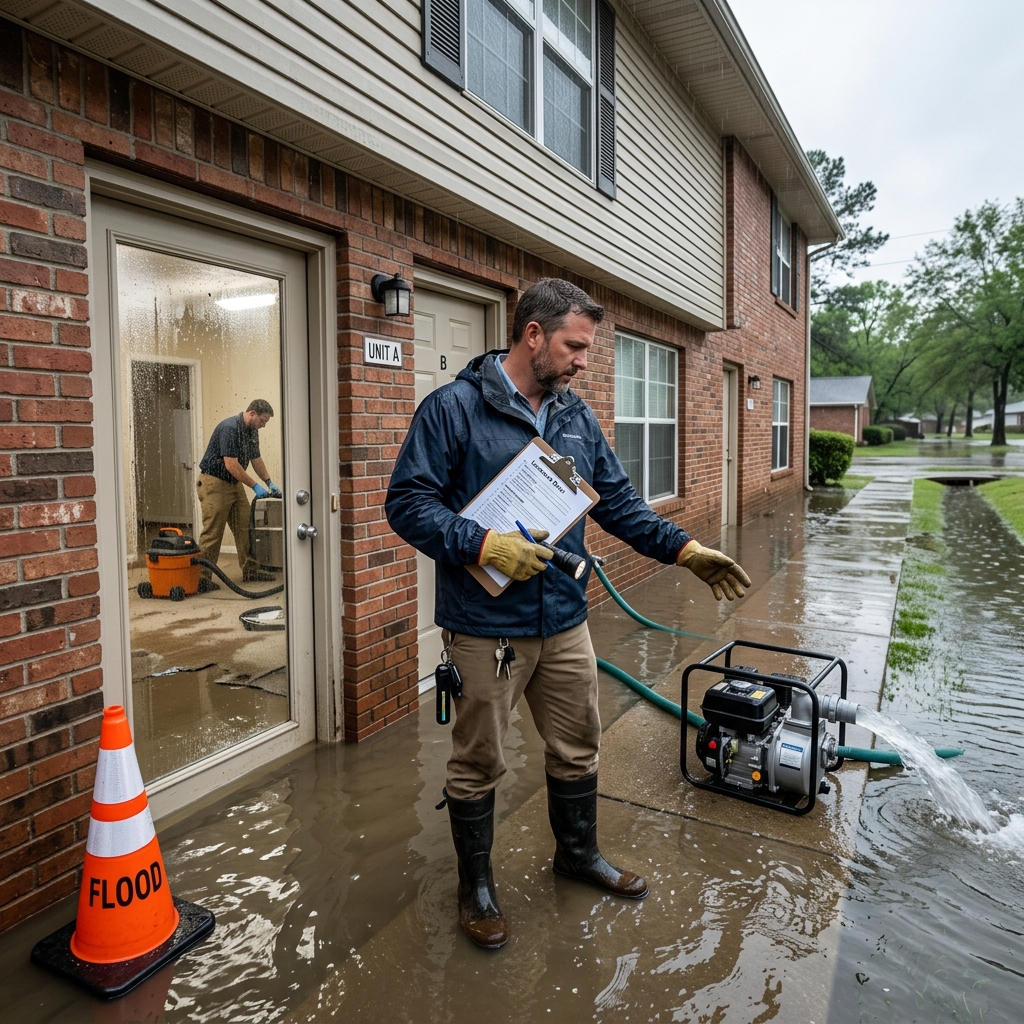
Floods and water leaks are among the most stressful events a landlord can face. Beyond the obvious cleanup, there are complex questions about who pays for what, how quickly repairs must be made, and when tenants can stop paying rent or move out entirely. This guide walks landlords through the legal and practical steps to take when a rental home is damaged by water so they can protect their investment, meet legal obligations, and maintain a fair relationship with tenants.
1. Understanding the Types of Water Damage
Not all water events are treated the same under insurance policies or landlord–tenant laws. The source of the water often determines who is financially responsible and which coverage applies.
1.1 Common Sources of Water in Rental Properties
- Weather-related flooding: Heavy rain, river overflow, storm surge, and coastal flooding.
- Plumbing failures: Burst pipes, failed supply lines, leaking fixtures, and broken water heaters.[10]
- Building system issues: Roof leaks, foundation seepage, clogged gutters and drains.
- Sewage backups: Blocked sewer lines or overloaded municipal systems, which can be a serious health hazard.
- Tenant-caused incidents: Overfilled bathtubs, aquariums breaking, or improper appliance use.
The cause matters because landlords are usually responsible for keeping the structure and major systems in safe, working condition, while tenants are responsible for their own negligence and personal belongings.
1.2 Flood vs. Non-Flood Water Damage
Insurance and some laws distinguish between flood (water rising from outside, like from heavy rain or rivers) and water damage from internal sources like pipe bursts or roof leaks.
| Type of event | Typical classification | Likely coverage type |
|---|---|---|
| River overflow, storm surge into home | Flood | Separate flood insurance policy |
| Burst indoor pipe, failed water heater | Non-flood water damage | Landlord property insurance (if covered) |
| Roof leak during storm | Non-flood water intrusion | Landlord property insurance (depending on policy) |
| Sewer backup into basement | Contaminated water event | Special endorsement or flood-related coverage |
Landlords should review both their property policy and any flood policy to know what is and is not covered before disaster strikes.
2. Core Legal Duties of Landlords After Water Damage
Every state has its own landlord–tenant laws, but most modern rules revolve around the concept of habitability—the requirement that a rental home be reasonably safe, sanitary, and fit to live in.
2.1 Habitability and Minimum Standards
Landlords are generally required to provide and maintain:
- Sound structural components, including floors, walls, and ceilings.
- Working plumbing, hot water, and safe drinking water.[10]
- Safe electrical systems and heating equipment.[10]
- Protection from weather and moisture intrusion.
- Conditions that do not pose health hazards such as mold, sewage, or pest infestations.
If flooding or a major leak undermines any of these, the landlord must usually act promptly to restore habitability.
2.2 Structural Repairs vs. Personal Property
There is an important distinction between damage to the building and damage to tenant belongings:
- Landlords are typically responsible for repairing or replacing structural and system components, such as drywall, flooring, built-in cabinets, plumbing, electrical, and fixed appliances.
- Tenants usually bear the cost of damage to their own furniture, clothes, electronics, and other personal items, which may be covered by renter’s insurance.
An exception may apply if the landlord’s negligence directly caused the water damage—for example, ignoring a known plumbing defect—at which point the landlord can be held liable for tenant property loss in some jurisdictions.
3. Who Pays? Liability for Flood and Water Damage
Determining who ultimately pays for damage requires analyzing both fault and contract terms (lease and insurance policies).
3.1 Landlord Liability in Weather-Related Floods
In many cases, when a flood is purely the result of extreme weather, landlords are not responsible for the tenant’s personal belongings.
Typically:
- The landlord must repair the property’s structure and systems, restoring the unit to habitable condition as soon as reasonably possible.
- The tenant bears the loss of personal property unless covered by their own insurance.
- Government or charitable assistance may be available after large-scale disasters but is separate from landlord obligations.
3.2 Landlord Responsibility for Negligence-Based Damage
Liability can change if the landlord fails to act reasonably to prevent or repair known issues. Examples of potential negligence include:
- Ignoring repeated tenant reports of leaks or plumbing problems.
- Failing to maintain gutters, downspouts, or roofs in a way that leads to interior water intrusion.
- Not complying with building and housing codes related to moisture and drainage.
If a tenant can show that the landlord’s negligence caused or worsened the damage, courts in many states may allow tenants to recover for personal property losses and other damages.
3.3 Tenant-Caused Water Damage
When the tenant’s actions cause the water damage—such as leaving a sink running or misusing appliances—the landlord generally still must repair the structure but can often charge the tenant for the cost of repairs.
Best practices for landlords in these cases include:
- Documenting the cause with photos, videos, and written statements.
- Obtaining estimates and invoices showing the repairs needed.
- Using the lease terms and applicable state law to recoup repair costs, sometimes via the security deposit or a separate claim.
4. Flood Insurance and Coverage Considerations
Because ordinary property insurance often excludes flood damage, landlords should understand the scope and limits of their policies and consider separate flood coverage when appropriate.
4.1 What Landlord Flood Insurance Typically Covers
Flood insurance policies issued by private insurers or the U.S. National Flood Insurance Program (NFIP) generally focus on the building itself, including:
- Structural components such as walls, floors, and foundation.
- Electrical and plumbing systems.
- Built-in appliances, furnaces, and water heaters.
- Carpeting, staircases, and some permanently installed fixtures.
These policies do not usually cover a tenant’s personal belongings; tenants would need their own renter’s or contents flood coverage for that protection.
4.2 Disclosure of Flood Risk to Tenants
Several U.S. states now require landlords to disclose known flood risks to current and prospective tenants, especially when the property sits in a designated floodplain.
Typical landlord duties in these jurisdictions include:
- Determining whether the property lies in a flood zone using official flood maps.
- Informing tenants in writing if the property has known flood risk or past flooding.
- Advising tenants that flood insurance coverage is available if they wish to purchase it.
Even where not legally required, proactively sharing flood risk information can reduce disputes and encourage tenants to obtain appropriate insurance.
5. Immediate Steps for Landlords When a Flood Occurs
A prompt, organized response can limit damage and demonstrate that the landlord is meeting legal obligations. Authorities recommend both safety measures and careful documentation.
5.1 Health and Safety First
Immediately after learning of a flood or major leak, landlords should:
- Confirm that all occupants are safe and evacuate if there is a risk of structural collapse or electrical hazards.
- Shut off water, electricity, or gas to affected areas if safe to do so.
- Call emergency services or local authorities if there is imminent danger, such as structural instability or live electrical exposure in standing water.
5.2 Document the Damage Thoroughly
Evidence is essential for insurance claims and for resolving disputes with tenants. Recommended steps include:
- Taking clear photos and videos of standing water, damaged building materials, and any affected landlord-owned fixtures or appliances.
- Noting dates, times, and how the event was first discovered.
- Keeping a log of all communications with tenants, contractors, and insurers.
5.3 Notify Insurers and Begin Cleanup
Landlords should promptly:
- Contact their property and flood insurance providers to report the claim, following any specific instructions on documentation or mitigation.
- Arrange for professional water removal, drying, and disinfecting, especially when sewage or contaminated water is involved.
- Start necessary temporary repairs to prevent further damage, such as tarping roofs or boarding broken windows, while avoiding permanent work that insurers have not yet approved.
6. Repairs, Rent, and When a Unit Becomes Uninhabitable
Once the immediate emergency is under control, the next questions are how quickly repairs must happen and whether tenants must continue to pay rent.
6.1 Reasonable Time for Repairs
Landlord–tenant laws generally require that landlords complete repairs within a reasonable time, which may be shorter for emergencies such as loss of essential services.
Factors that influence what counts as reasonable include:
- The severity and scope of the damage.
- Availability of contractors and materials, especially after a widespread disaster.
- Local code requirements and inspection schedules.
6.2 Rent Reductions and Constructive Eviction
If flood damage makes all or part of the unit unusable, many states allow tenants to seek rent reductions or to withhold rent until repairs are completed.
Common outcomes in practice include:
- Partial rent abatement when a tenant can use some but not all of the unit.
- Full rent abatement for periods when the unit is uninhabitable and the tenant cannot live there at all.
- Constructive eviction, where severe damage effectively ends the lease because the unit can no longer be reasonably occupied.
Some laws explicitly state that if the property is substantially damaged by events like fire or water, and not due to the landlord’s negligence, both landlord and tenant may be released from further lease obligations once the unit is no longer habitable.
6.3 Temporary Housing for Tenants
Whether a landlord must pay for temporary housing depends on state law, lease terms, and insurance policies.
- Some landlords voluntarily pay for hotels or offer rent refunds for displaced tenants as a matter of goodwill or negotiation.
- Tenant renter’s insurance sometimes covers additional living expenses if the unit becomes uninhabitable.
- In certain jurisdictions or subsidized housing programs, landlords may have specific obligations regarding relocation assistance.
7. Communicating with Tenants and Avoiding Disputes
Clear, timely communication can prevent misunderstandings and reduce the risk of legal conflict after a flood or major leak.
7.1 Best Practices for Landlord–Tenant Communication
- Provide written updates on the status of inspections, repairs, and expected timelines.
- Clarify early on who should contact which insurer (landlord vs. tenant) for different types of losses.
- Explain any rent adjustments or credits in writing, referencing the lease and applicable laws.
- Keep all emails, letters, and text messages related to the incident for future reference.
7.2 Encouraging Tenant Preparedness
Landlords cannot force tenants to carry renter’s insurance in all jurisdictions, but they can strongly encourage it and, where legal, require it in the lease. Tenants are more financially resilient when they understand:
- Landlords usually do not cover tenant personal property losses after floods or leaks unless negligence is proven.
- Renter’s insurance can cover personal belongings and sometimes temporary housing expenses.
- Flood-related contents coverage must often be purchased separately from standard renter’s policies.
8. Preventive Strategies to Reduce Future Water Damage
Proactive planning reduces the likelihood and severity of water damage and demonstrates that the landlord is acting responsibly.
8.1 Property Maintenance and Inspections
Effective prevention measures include:
- Regular roof, gutter, and downspout maintenance to direct water away from the structure.
- Inspection of plumbing systems and prompt repair of even minor leaks.
- Ensuring grading and drainage direct water away from foundations.
- Installing backflow valves or sump pumps in high-risk areas, where appropriate.
8.2 Risk Assessment and Disclosure
Landlords in flood-prone regions should:
- Use official flood maps and local resources to gauge flood risk for each property.
- Document past flooding incidents and mitigation steps taken.
- Provide clear flood risk disclosures and insurance information to tenants, especially if state law requires it.
9. Frequently Asked Questions
Do landlords have to replace a tenant’s personal property after a flood?
Generally no. Landlords usually repair the building and major systems, while tenants are responsible for replacing their own belongings, often using renter’s or flood insurance. Landlords may be liable for tenant property damage only if the tenant can prove that landlord negligence caused or significantly contributed to the loss.
Can a tenant stop paying rent after a major leak or flood?
In many states, tenants may seek rent reductions or abatements when water damage makes the rental partially or completely uninhabitable, especially if the landlord fails to make timely repairs. The specific rules vary by jurisdiction and may require written notice, inspections, or court involvement.
Is flood insurance mandatory for landlords?
Flood insurance is usually required only when a property in a designated high-risk flood zone is financed by certain federally regulated lenders. Even when not mandatory, landlords in flood-prone areas are often strongly advised to carry flood coverage because standard property policies typically exclude flood-related damage.
What if both landlord and tenant insurance cover some of the same items?
It is common for building damage to be claimed under the landlord’s policy and personal property losses under the tenant’s policy. If coverage overlaps or is uncertain, insurers may coordinate to determine who pays what, but both landlord and tenant should notify their respective insurers promptly and provide accurate information.
How quickly must a landlord start repairs after water damage?
Most laws require landlords to begin addressing serious issues within a reasonable time after receiving notice, with emergencies usually triggering faster response expectations. Local housing codes and guidance from agencies such as city housing departments often provide practical timelines and enforcement mechanisms.
References
- Landlord’s Legal Guide for Floods and Water Damage — Rocket Lawyer. 2023-05-01. https://www.rocketlawyer.com/real-estate/landlords/property-management/legal-guide/landlords-legal-guide-for-floods-and-water-damage
- Tenant Rights After Apartment Flooding in NYC — Outerbridge Law P.C. 2022-09-15. https://www.outerbridgelaw.com/blog/tenant-rights-after-apartment-flooding-in-nyc/
- What are my rights in the event of a flood as a renter? — ReduceFloodRisk.org. 2023-02-10. https://www.reducefloodrisk.org/faq/renters-rights-in-the-event-of-a-flood/
- Flooding — Tenant Resource Center. 2022-08-01. https://www.tenantresourcecenter.org/flooding
- Help for Renters Affected by Floods — NYC Department of Housing Preservation and Development. 2023-10-01. https://www.nyc.gov/assets/hpd/downloads/pdfs/services/flooding-resources-renters-english.pdf
- How Laws and Landlords Are Protecting Tenants Against Flood — ServiceLink. 2021-04-20. https://www.servicelink.com/blog/how-laws-and-landlords-are-protecting-tenants-against-flood
- Your Landlord’s Obligations When Your Home Is Damaged — Sinistar. 2020-06-10. https://sinistar.ca/blog/what-are-my-landlord-s-obligations-when-my-home-is-damaged
Similar Articles








Read full bio of medha deb


