
Holiday Online Shopping: Protect Yourself From Identity Theft
Learn how to shop safely online during the holidays, spot scams, and respond quickly if your personal or financial information is compromised.
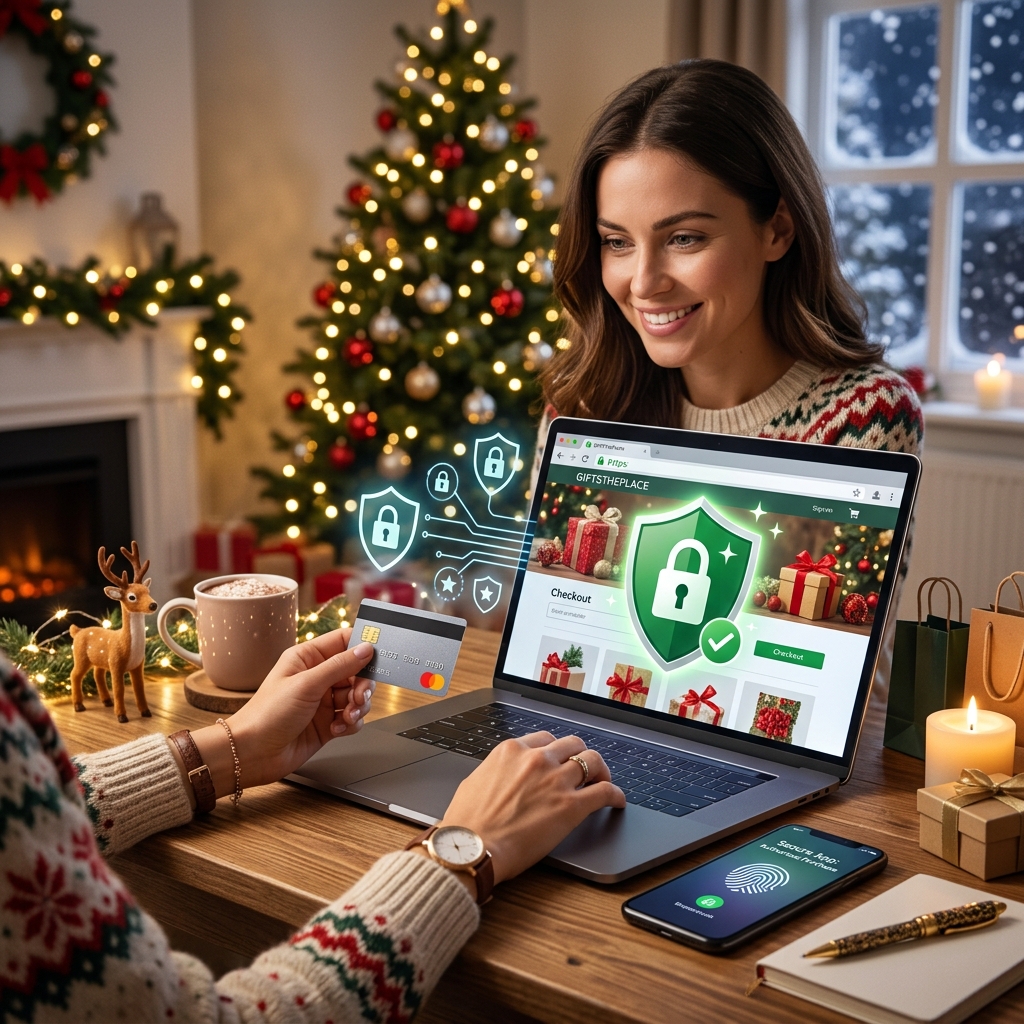
The holiday season brings convenience and great deals, but it also creates prime opportunities for identity thieves and online scammers. As more purchases move online, understanding how to shop safely and protect your personal information is essential for avoiding financial loss and long-term credit problems.
This guide explains the most common holiday shopping threats, practical steps to reduce your risk, and what to do if your identity is compromised. It is inspired by legal guidance on holiday shopping and identity theft, but presents an original, updated, and security-focused perspective supported by authoritative sources.
Why Holiday Online Shopping Is High-Risk
Cybercriminals tend to increase their activity during major shopping periods because consumers are:
- Buying more frequently and from unfamiliar retailers
- Searching aggressively for discounts and limited-time offers
- More likely to click promotional links without careful review
- Using multiple devices and networks, including public Wi‑Fi
According to the U.S. Federal Trade Commission (FTC), spikes in online shopping often coincide with increases in fraud and identity theft complaints, driven by phishing, fake retail sites, and unauthorized use of payment information.
How Identity Theft Happens When You Shop Online
Identity theft during holiday shopping can occur in several ways. Understanding these mechanisms helps you spot trouble early and avoid risky behavior.
1. Fake Retail Websites and Marketplaces
Fraudsters build websites or marketplace listings that closely mimic legitimate retailers. Their goal is to collect your payment card details, passwords, or personal data.
- Web addresses that look similar to popular brands but contain subtle misspellings
- Lack of clear contact information, physical address, or customer service details
- Unrealistic discounts on high-demand items
The FBI warns that deals that appear “too good to be true” are often connected to fraudulent sellers looking to harvest financial information or never deliver the product.
2. Phishing Emails, Texts, and Social Messages
Phishing messages are designed to trick you into clicking malicious links or sharing login credentials.
- “Order problems” or “delivery issues” for packages you never ordered
- Requests to “verify your account” or “update payment information” urgently
- Messages impersonating delivery services or tax agencies
The FTC and IRS jointly emphasize that businesses and agencies can be impersonated in phishing campaigns that lead to identity theft and financial fraud.
3. Insecure Websites and Data Breaches
Even legitimate businesses can put you at risk if they lack strong data security. When a site doesn’t use encryption or stores data improperly, attackers can steal it through hacking, malware, or insider abuse.
- Websites without
httpsin the URL - Outdated software or poor cybersecurity practices
- Retention of complete payment card numbers and personal identifiers
The FBI recommends verifying that online stores use secure connections and encouraging businesses to adopt up-to-date cybersecurity controls.
4. Account Takeover and Password Reuse
Many consumers reuse passwords across shopping, email, and banking accounts. If one account is compromised, criminals may log in elsewhere using the same credentials.
- Using identical passwords for multiple sites
- Storing passwords insecurely in browsers or notes
- Ignoring multi-factor authentication (MFA) even when available
Security organizations strongly advise using unique, strong passwords for each site and adding MFA to reduce the impact of credential theft.
Core Principles for Safe Holiday Online Shopping
Safe shopping does not require specialized technical skills. It relies on a combination of skepticism, basic security habits, and consistent monitoring of accounts.
Key Protective Habits
- Verify before you buy: Always confirm a seller’s legitimacy, especially when using unfamiliar websites or social media ads.
- Prefer secure payment methods: Use credit cards or reputable digital wallets rather than wire transfers or gift cards.
- Protect your devices: Keep operating systems, browsers, and security software updated to reduce malware risks.
- Monitor accounts regularly: Review bank and card statements and enable transaction alerts.
Recognizing Safe vs. Risky Shopping Sites
This simple comparison can help you decide whether to proceed with a purchase.
| Safer Site Characteristics | Risky Site Warning Signs |
|---|---|
URL uses https and shows a padlock icon in the browser | No encryption (no https), or browser warns of an insecure connection |
| Clear contact details, physical address, and customer support information | No verifiable address or phone number; only anonymous forms |
| Consistent, authentic-looking customer reviews and external reputation checks | Few or suspicious reviews; complaints or fraud warnings on reputable sites |
| Transparent pricing, shipping, and return policies | Vague or missing refund terms, heavy pressure to buy quickly |
| Secure checkout and recognizable payment processors | Requests for payment via wire transfer, cryptocurrency, or gift cards only |
Smart Payment Strategies to Reduce Identity Theft Risk
Your choice of payment method significantly affects how easily you can recover from fraud and how much information a thief can access.
Use Credit Cards or Trusted Digital Wallets
Credit cards typically offer better fraud protection than debit cards or cash, and card networks can reverse unauthorized charges more efficiently.
- Fraud liability protections: Most card issuers limit consumer liability for unauthorized transactions when reported promptly.
- Dispute mechanisms: Chargeback processes allow you to challenge undelivered or misrepresented goods.
- Digital wallets: Services like Apple Pay or Google Pay tokenize card data, reducing exposure.
Avoid High-Risk Payment Methods
Scammers often insist on irreversible or hard-to-trace payments.
- Gift cards and prepaid cards shared via numbers and PINs
- Wire transfers and cryptocurrency payments with no buyer protection
- Cash payments to unverified individual sellers
Authorities highlight that requests for these methods are strong indicators the transaction may be fraudulent.
Guarding Your Personal Information While Shopping
Identity theft doesn’t require full access to your accounts. Often, a combination of partial data points allows criminals to open new accounts or impersonate you.
Limit What You Share
- Do not provide Social Security numbers for ordinary retail purchases.
- Avoid saving card details to multiple sites unnecessarily.
- Decline optional data fields such as birth date or secondary phone unless required.
The FDIC recommends minimizing exposure of personal identifiers and reviewing what information retailers collect and store.
Use Strong Authentication Practices
- Create long, unique passwords for each shopping and financial account, ideally managed through a password manager.
- Enable multi-factor authentication where available to add a layer beyond passwords.
- Log out after completing purchases, especially on shared or public devices.
Safe Device and Network Use During Holiday Shopping
Your security also depends on where and how you connect to the internet while making purchases.
Avoid Shopping on Public Wi‑Fi
Public networks in cafes, airports, and hotels are easier for attackers to monitor. Using them for banking or shopping can expose login credentials and payment data.
- Prefer your mobile data connection or a trusted home network.
- If you must use public Wi‑Fi, avoid entering payment information or accessing financial accounts.
- Consider a reputable VPN, but treat it as an additional safeguard rather than a guarantee.
Keep Devices and Software Updated
- Install operating system and browser updates promptly.
- Use reputable antivirus and anti-malware tools and keep them current.
- Remove unused shopping apps that request extensive permissions.
Monitoring Accounts and Credit During the Holidays
Early detection is crucial: the faster you spot suspicious activity, the easier it is to stop further damage.
Track Financial Transactions Closely
- Review bank and credit card statements weekly during busy shopping periods.
- Set up transaction alerts via email or text for card purchases, withdrawals, or online charges.
- Investigate any small, unexplained charges—thieves often test cards with low-value transactions first.
Check and Protect Your Credit Reports
Identity thieves may open new accounts in your name. Monitoring your credit reports can reveal this behavior.
- Review reports from major bureaus regularly (Equifax, Experian, TransUnion).
- Consider placing a fraud alert if you suspect risk, which prompts extra verification when new credit is requested.
- Use a credit freeze by default and temporarily lift it when applying for credit; this prevents most new accounts from being opened without your approval.
What To Do If You Suspect Identity Theft
If you notice unauthorized transactions, accounts you didn’t open, or notifications about changes to your information, act immediately.
Step-by-Step Response
- Contact your bank or card issuer: Report unauthorized charges, request card replacement, and ask about dispute or chargeback processes.
- Change credentials: Update passwords and enable MFA on affected and related accounts.
- Review credit reports: Look for unfamiliar accounts or inquiries and note any irregularities.
- Place fraud alerts or credit freezes: Notify credit bureaus to limit new account openings and protect your file.
- Report identity theft: Use official resources such as IdentityTheft.gov for personalized recovery plans and documentation.
The FTC’s IdentityTheft.gov provides step-by-step guidance and sample letters to help consumers respond to identity theft, contact businesses, and address issues with credit reporting.
Practical Holiday Shopping Safety Checklist
Before you complete a purchase, quickly review these points:
- Is the website address correct, with
httpsand a padlock icon? - Have you verified the retailer through independent research or known reputation?
- Are you using a secure device and trusted network?
- Are you paying with a method that offers fraud protection, such as a credit card or secure digital wallet?
- Have you enabled account alerts and reviewed recent transactions?
FAQs About Holiday Online Shopping and Identity Theft
Is it safer to shop on large, well-known retail sites?
Large retailers generally have stronger security measures and established dispute processes, reducing some risks. However, phishing sites may imitate these brands, so always confirm the correct web address and avoid clicking unexpected links.
Should I store my card details in my browser or shopping accounts?
Saving payment details is convenient but increases exposure if an account or device is compromised. Consider limiting storage to one or two trusted platforms and protect them with strong passwords and MFA.
What are the biggest red flags that a holiday offer is a scam?
Major warning signs include unrealistically low prices on high-demand products, pressure to pay with gift cards or cryptocurrency, poor or inconsistent reviews, and vague or missing business information.
Is using a VPN enough to make public Wi‑Fi safe for shopping?
A VPN can improve privacy on public networks, but it does not eliminate all risks. Security experts still recommend avoiding logins to financial accounts and online shopping on public Wi‑Fi whenever possible.
How often should I check my statements during the holidays?
Weekly reviews are advisable during peak shopping times, supplemented by real-time alerts for card transactions. This combination can help you spot and stop fraudulent activity quickly.
References
- Holiday Scams — Federal Bureau of Investigation (FBI). 2024-11-20. https://www.fbi.gov/how-we-can-help-you/scams-and-safety/common-frauds-and-scams/holiday-scams
- Safe Online Holiday Shopping — National Cybersecurity Alliance. 2023-11-15. https://www.staysafeonline.org/articles/safe-online-holiday-shopping
- As holiday shopping begins, the FTC and IRS agree: scams and identity theft are always bad for business — Federal Trade Commission. 2024-12-02. https://www.ftc.gov/business-guidance/blog/2024/12/holiday-shopping-begins-ftc-irs-agree-scams-identity-theft-are-always-bad-business
- Holiday Shopping Tips to Help Protect Yourself — Equifax. 2023-11-01. https://www.equifax.com/personal/education/credit/report/articles/-/learn/tips-protect-credit-history-during-holidays/
- Identity Theft Prevention During the Holidays — Federal Deposit Insurance Corporation (FDIC). 2025-12-10. https://www.fdic.gov/consumer-resource-center/2025-12/identity-theft-prevention-during-holidays
- 7 Tips to Avoid Holiday Scams and Protect Your Identity in 2025 — Experian. 2025-11-21. https://www.experian.com/blogs/ask-experian/how-to-protect-your-identity-during-the-holiday-season/
- How to Avoid Online Holiday Shopping Scams — Banner Bank. 2023-11-10. https://www.bannerbank.com/financial-resources/blog/how-to-avoid-online-holiday-shopping-scams
Similar Articles








Read full bio of medha deb


