Protecting Retail Employees During Black Friday
How employers can keep retail staff safe, fairly paid, and supported during intense Black Friday and holiday shopping periods.
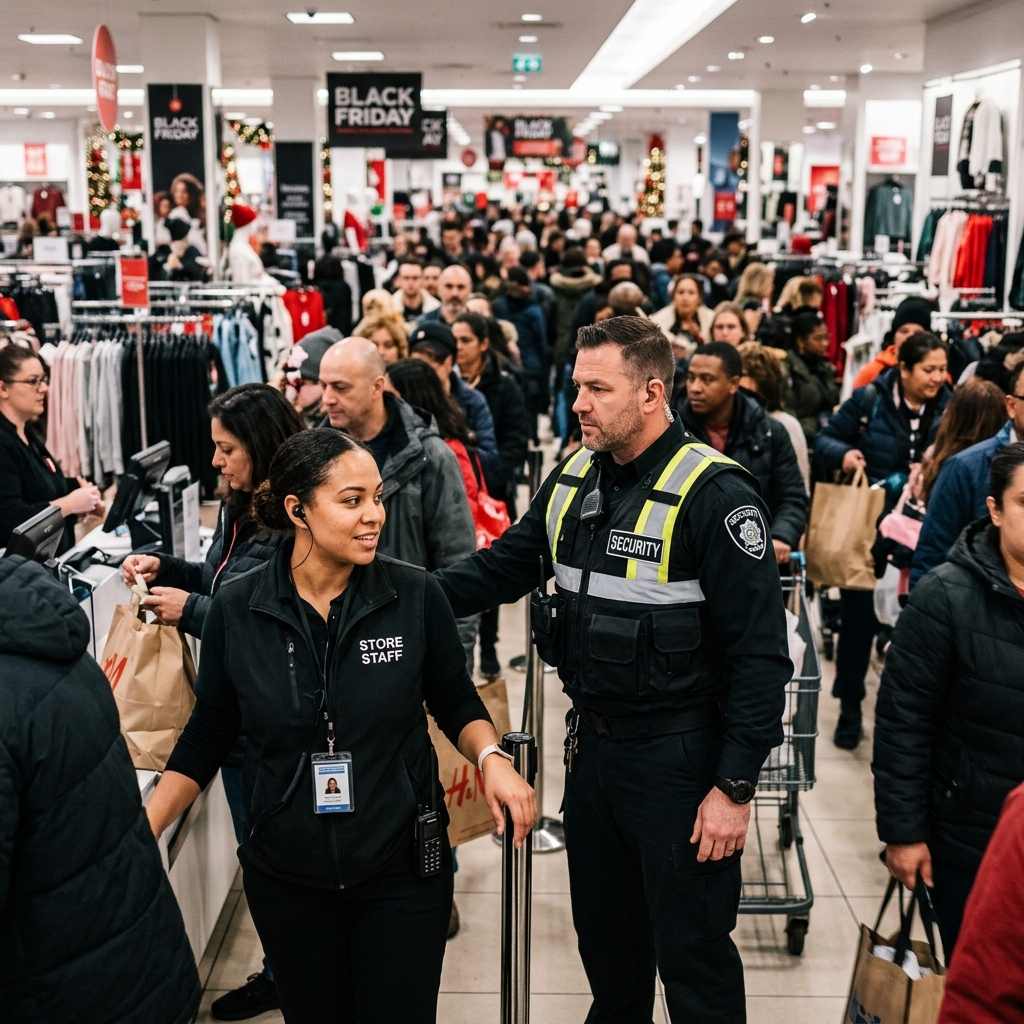
Black Friday can be one of the most profitable days of the year for retailers, but it is also one of the most demanding and risky days for employees. As an employer, your responsibilities go beyond sales targets—you must keep workers physically safe, respect wage and hour laws, and manage stress and fatigue in a high-pressure environment.
This article provides a comprehensive, practical guide to managing Black Friday from an employer’s perspective. It covers safety planning, legal compliance, scheduling, communication, and support strategies that help protect your workforce while maintaining operational efficiency.
Why Black Friday Requires Special Attention to Employees
Unlike ordinary trading days, Black Friday typically combines early opening hours, heavy foot traffic, promotional pricing, and heightened customer expectations. This unique mix can amplify risks for retail staff in several ways.
- Large crowds and lines at opening can lead to pushing, tripping, and other hazards if not properly managed.
- Extended shifts and overtime become common, increasing fatigue and the likelihood of mistakes or accidents.
- Customer frustration over limited stock or long waits can escalate into conflict, verbal abuse, or even physical confrontations.
- Compressed preparation timelines may tempt managers to rush training, skip pre-shift briefings, or overlook safety checks.


How Many Credit Cards Is the Right Number? >

Recognizing these risks in advance allows you to design policies and procedures that both meet legal obligations and demonstrate genuine care for your employees.
Legal Foundations: Safety and Wage Rules You Cannot Ignore
In many jurisdictions, employers must comply with core workplace safety and wage laws during Black Friday, just as they do the rest of the year. However, the intensity of holiday trading means these rules are put under strain and require extra attention.
Workplace Safety and Crowd Management
In the United States, general worker protection is governed by the Occupational Safety and Health Administration (OSHA). OSHA has specifically addressed retailer responsibilities during major sales events and urges employers to adopt crowd management plans to prevent injuries.
- Limit the number of customers allowed in the store at one time to avoid overcrowding.
- Control customer entry with barriers, ropes, or staggered admission times.
- Ensure clear, unobstructed emergency exits and pathways.
- Provide visible signage directing queues, exits, and key areas to reduce confusion.
- Train employees on emergency procedures and crowd-handling techniques.
Ignoring these measures can expose employees to preventable harm and increase your liability if an incident occurs.
Wage, Overtime, and Break Requirements
Black Friday often involves extended shifts and additional days of work, making wage and hour compliance critical. Under the U.S. Fair Labor Standards Act (FLSA), non-exempt employees must receive at least minimum wage and overtime pay at 1.5 times their regular rate for hours over 40 in a workweek.
State laws may provide additional protections. For example, in California:
- Employees are entitled to 1.5 times their regular rate for hours beyond 8 in a single day or 40 in a week.
- They must receive double time for hours beyond 12 in a day or for working more than 8 hours on a seventh consecutive day.
- Workers who work more than 5 hours in a day must receive a 30-minute unpaid meal break; those who work more than 10 hours are entitled to a second 30-minute meal break.
Other states impose rest-period rules. For instance, Illinois requires employers to provide at least 24 hours of rest in every consecutive seven-day period, with limited exceptions. Employers must also ensure meal breaks and reasonable restroom breaks for shifts above certain lengths.
These requirements apply during holiday trading periods just as they do at other times. Black Friday is not an exception day—employers must plan staffing and schedules around these obligations.
Designing a Black Friday Safety and Operations Plan
A well-structured plan is the foundation of a safe and manageable Black Friday. Your goal is to anticipate risks and embed clear procedures that are easy for employees to understand and follow.
Core Elements of an Effective Plan
| Plan Component | Primary Purpose | Example Measures |
|---|---|---|
| Crowd Management Strategy | Prevent injuries and chaos at entry and in aisles | Queuing systems, capacity limits, timed entry, signage |
| Emergency Response Protocols | Ensure rapid, coordinated action during incidents | Evacuation routes, role assignments, communication chains |
| Staffing and Scheduling Plan | Balance coverage with compliance and rest | Shift rotations, break schedules, overtime tracking |
| Training and Briefing Program | Equip employees with relevant knowledge | Pre-event training, morning huddles, written guides |
| Customer Communication Strategy | Reduce frustration and conflict | Clear advertising, stock information, queue updates |
Crowd Management: Practical Steps
Effective crowd control reduces risk to employees by lowering the likelihood of crush incidents, altercations, and emergency evacuations. Building on OSHA’s guidance, consider the following practical steps.
- Pre-plan entrances: Use barriers and delineated lanes for queues; mark waiting areas clearly outside the store.
- Staggered opening: Consider timed admission for high-demand items rather than allowing a single surge.
- Real-time capacity monitoring: Designate staff to track the number of customers inside and temporarily pause entry if needed.
- Dedicated greeters: Place trained employees at the entrance to manage flow and communicate expectations to customers.
- Emergency routes: Keep exits and main aisles free of promotional displays that could obstruct movement.
Employees should be instructed not to place themselves between crowds and doors or in positions where they could be pinned. They also need clear instructions on how and when to call for security or emergency services.
Scheduling, Breaks, and Overtime: Protecting Workers from Fatigue
Long hours, overnight setups, and extended weekend trading can quickly push staff toward exhaustion. Fatigue directly increases the risk of accidents, errors, and poor customer interactions. Thoughtful scheduling and strict adherence to break rules are essential.
Building Fair and Compliant Schedules
When creating your Black Friday roster:
- Respect maximum daily hours: Avoid scheduling single-day shifts that approach or exceed the thresholds for overtime and double time where applicable.
- Provide rest days: Track weekly scheduling to ensure employees receive mandated rest periods, such as 24 hours off in every seven-day span where required by law.
- Rotate intense tasks: Alternate employees between crowd-facing roles and less demanding tasks to reduce burnout.
- Plan breaks ahead of time: Pre-assign meal and rest breaks that comply with local rules so managers are not improvising under pressure.
Ensure that overtime is voluntary where possible, clearly communicated, and properly compensated. Over-reliance on a small group of employees may increase health and safety risks and contribute to turnover.
Breaks as a Safety Tool, Not Just a Legal Requirement
Rest and meal breaks are not merely a legal obligation; they are a core safety tool. Employees who are fatigued or hungry are more likely to make mistakes that endanger themselves and others. Laws such as California’s meal break rules and Illinois’s rest requirements underscore this principle.
Best practices include:
- Enforcing breaks even when the store is busy, rather than allowing employees to skip them.
- Providing a quiet, clean space for rest away from customers.
- Encouraging hydration and offering access to drinking water at or near workstations.
- Monitoring employees who return from breaks to ensure they are fit to resume demanding tasks.
Supporting Employee Well-Being and Mental Health
Black Friday is often stressful. Employees may face irate customers, pressure to meet sales targets, and fear of job consequences if they cannot keep up. International organizations have warned that intense productivity expectations during major sales periods can put workers at risk if employers do not manage health and safety adequately.
Reducing Stress and Conflict
Employers can mitigate psychological strain through thoughtful policies and culture:
- Clear expectations: Explain performance standards in advance and avoid unrealistic quotas or metrics.
- Zero-tolerance for abuse: Adopt a firm policy that employees should not endure physical or verbal abuse, and empower managers to remove abusive customers.
- Access to support: Make sure employees know how to seek help, whether through HR, supervisors, or employee assistance programs.
- Post-event debriefs: Allow staff to share their experiences and frustrations after Black Friday and take their feedback into account when planning future events.
Employers should monitor signs of distress, such as frequent complaints, visible fatigue, or increased conflict between employees and customers. Early intervention can prevent more serious outcomes.
Communication: Preparing Your Team Before the Crowds Arrive
Advance communication and training can dramatically improve employee safety and confidence. The goal is to ensure every worker knows what to expect and how to respond to common scenarios.
Pre-Event Training Topics
Before Black Friday, hold dedicated training sessions or briefings that cover:
- Crowd control roles and responsibilities.
- Emergency procedures, including evacuation and incident reporting.
- How to handle customer complaints and de-escalate tension.
- Wage and hour rights, including overtime pay and break entitlements, so employees understand their protections.
- Procedures for raising safety concerns without fear of retaliation.
Provide written materials—such as brief guides or checklists—that employees can review again on the day of the event.
Real-Time Updates During the Event
Once doors open, managers must maintain active communication with staff:
- Use short, frequent huddles to share information about crowd conditions, stock levels, and any emerging risks.
- Encourage employees to speak up if they feel unsafe or overwhelmed.
- Assign a single point of contact for safety issues so staff know whom to approach immediately.
This two-way communication helps your organization identify problems quickly and adjust operations before they escalate.
Handling Incidents and Post-Event Responsibilities
Despite best efforts, incidents may occur. How you respond affects not only legal exposure but also employee trust and morale.
Incident Response and Documentation
Employers should establish a structured approach to incidents such as injuries, conflicts, or near misses:
- Provide immediate medical attention or call emergency services when needed.
- Record details of the incident, including time, location, witnesses, and any contributing factors.
- Notify relevant internal departments (HR, legal, store leadership) promptly.
- Encourage employees to file workers’ compensation claims if they are injured while performing their duties.
Post-incident analysis can highlight weaknesses in your Black Friday plan and guide improvements for future events.
Learning from the Event
Once the Black Friday rush is over, review operations with a focus on employee experience:
- Gather feedback from staff about what worked and what felt unsafe or unfair.
- Analyze overtime and break usage to ensure compliance and identify scheduling improvements.
- Adjust crowd management, staffing levels, and training content based on observed challenges.
This continuous improvement approach demonstrates to employees that their safety and well-being are priorities, not one-time concerns.
Frequently Asked Questions
Do employees have to work on Black Friday?
In most jurisdictions, private employers are not legally required to close on holidays, and they may schedule employees to work on Black Friday as part of normal operations. Whether an employee must work depends on the employment contract, workplace policies, and any collective bargaining agreements. However, even if work is required, wage and hour and safety laws still apply.
Are employers required to pay extra for working Black Friday?
There is usually no automatic requirement for premium holiday pay for Black Friday unless specified by state law, company policy, or a labor agreement. Nonetheless, employers must pay overtime at 1.5 times the regular rate when employees exceed statutory weekly or daily limits, such as more than 40 hours in a week under FLSA or more than 8 hours in a day in some states.
What safety steps are legally expected during Black Friday sales?
OSHA expects retailers to take reasonable steps to protect employees and customers during major sales, including crowd management plans, capacity controls, clear exits, and staff training on emergency procedures. These measures fall under the general duty to provide a workplace free from recognized hazards.
Can an employee refuse dangerous work conditions on Black Friday?
Employees generally have the right to raise safety concerns and, in specific circumstances, may refuse work they reasonably believe poses an imminent danger, depending on local laws and regulations. Employers should encourage reporting and respond promptly, rather than penalizing employees for raising safety issues.
How can employers balance customer demands with employee well-being?
Clear communication, reasonable staffing levels, realistic sales expectations, and strong safety protocols all help balance customer service with employee welfare. Employers who invest in training, fair scheduling, and open dialogue often see better performance and reduced turnover during and after holiday sales periods.
References
- Black Friday Safety: OSHA Laws for Holiday Crowds — FindLaw. 2020-11-24. https://www.findlaw.com/employment/workplace-safety/black-friday-safety.html
- Understanding Black Friday and Peak-Season Overtime Rules — Myers Law Group. 2023-10-15. https://www.myerslawgroup.com/black-friday-and-peak-season-overtime-rules-california/
- California Wage Laws – Black Friday Employee Edition — Wilshire Law Firm. 2021-11-19. https://wilshirelawfirm.com/blog/black-friday-wage-hour-laws-california/
- 7 Hidden Costs of Black Friday for Employers — Payroll Complete. 2021-11-05. https://www.payroll-complete.com/black-friday-for-employers/
- On eve of Black Friday, Amnesty pushes Amazon on workers’ rights — Al Jazeera. 2020-11-27. https://www.aljazeera.com/news/2020/11/27/black-friday-amnesty-pushes-amazon-workers-rights
- Worker Rights – Employees — Illinois Department of Labor. 2024-01-01. https://labor.illinois.gov/employees.html
- What Are My Rights as a Worker on Thanksgiving? — Galfand Berger LLP. 2021-11-22. https://www.greatlawyers.com/2021/11/22/rights-worker-thanksgiving/
Similar Articles






Read full bio of medha deb