
Protecting Yourself From Harassment on Dating Apps
A practical, legally informed guide to staying safer on dating apps, spotting harassment early, and knowing how to respond and report it.
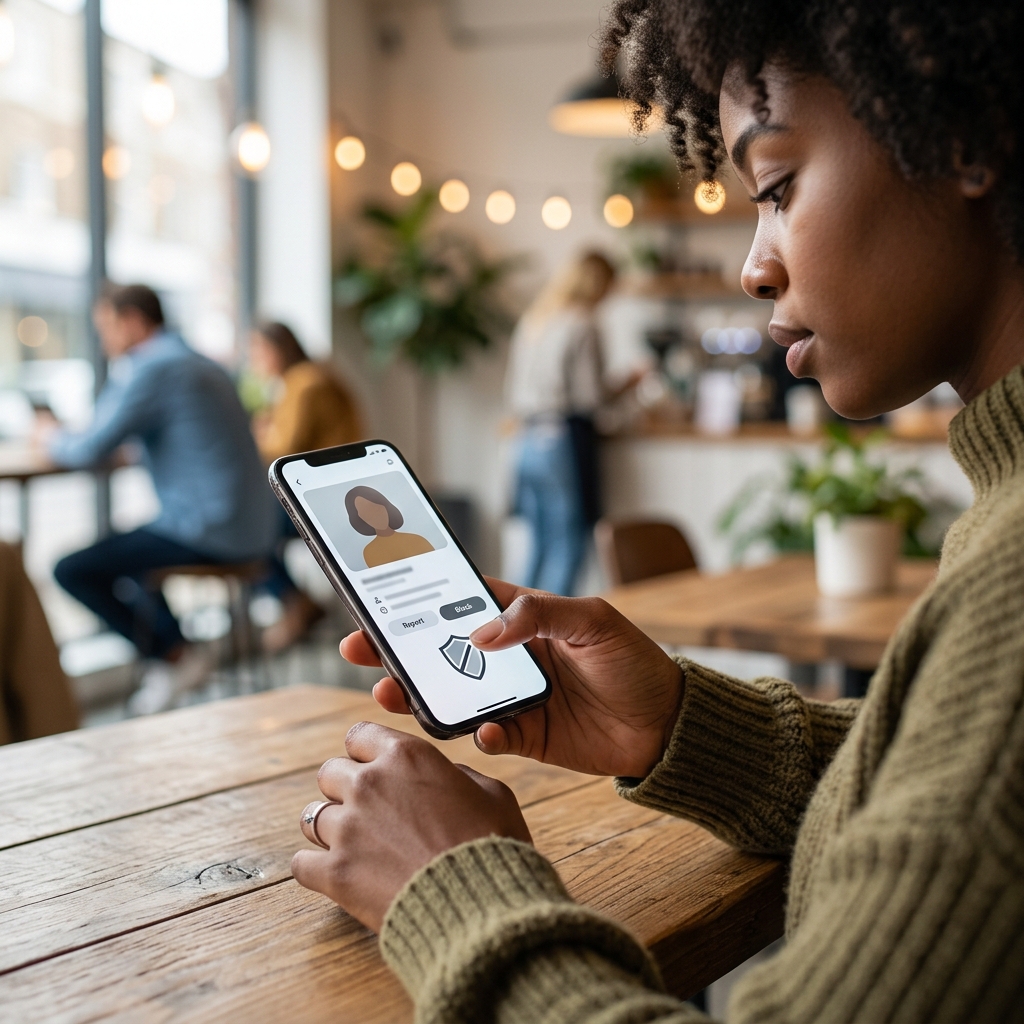
Dating apps can be a convenient way to meet new people, but they can also expose users to unwanted messages, harassment, and even offline harm if you are not careful. This guide explains how to reduce your risk, recognize problematic behavior, respond safely, and understand how platforms and the law may protect you.
Why Safety on Dating Apps Matters
Online dating is now a mainstream way to meet partners, which means more people benefit from connections but also more people are exposed to potential abuse.
Research shows that sexual harassment on dating apps is highly prevalent, with estimates in some studies ranging from over half to nearly 90% of users reporting some form of harassment, especially women and sexual minorities. Harassment can happen in messages, through image sharing, or during in-person meetings arranged via apps.
Other studies of sexual assault cases indicate that a significant share of reported attacks occur at the first in-person meeting after connecting on a dating app, underlining the importance of precautions when transitioning from online to offline contact. These findings show that safety on dating apps is not just a technical issue but also a serious personal and public health concern.
Understanding Harassment in the Context of Dating Apps
Harassment on dating apps can take many forms, from mildly uncomfortable to illegal. Recognizing early warning signs helps you set boundaries and act quickly.
Common Types of Harassment
- Unwanted sexual messages: Repeated sexual comments, pressure for sexual talk, or explicit propositions you have not welcomed.
- Unsolicited sexual images: Sending explicit photos or videos without consent, including so-called “dick pics.”
- Insults and verbal abuse: Name-calling, degrading comments about appearance, gender, race, sexual orientation, or identity.
- Threats or intimidation: Threats of physical harm, sexual violence, or threats to leak private information or images.
- Stalking and persistent contact: Repeated messaging across multiple platforms, creating new accounts after being blocked, or showing up at your workplace or home.
- Coercive behavior: Pressure to meet in unsafe locations, drink excessively, or engage in sexual activity when you have not consented.
Harassment: Online vs. Offline
| Aspect | Online Harassment | Offline Harassment |
|---|---|---|
| Where it happens | In app chats, texts, social media, email, video calls | During dates, in public spaces, at home, or at work |
| Examples | Unwanted sexual content, spam messages, doxxing | Unwanted touching, following you, verbal abuse or threats in person |
| Key tools to respond | Block, report, preserve screenshots, adjust privacy settings | Leave the situation, contact law enforcement, seek medical and legal help |
| Evidence | Chat logs, screenshots, profile details | Witness statements, medical records, location data, CCTV where available |
Building a Safer Dating App Profile
Your profile is often the first place where you can reduce risk. Small choices in what you share can significantly limit how easily someone can track you or misuse your information.
Protecting Your Identity
- Avoid using your full real name as your username. Choose a nickname or first-name-only handle that does not include your last name or birth year.
- Do not include details that can narrow down your location, such as your full neighborhood, workplace name, or school.
- Be mindful of your photos. Make sure that images do not show your house number, street signs, car license plates, or work badge.
- Use different photos from those on your public social media to make it harder for strangers to reverse-image-search you.
Basic Digital Security Practices
Harassers sometimes exploit weak passwords or security habits to access accounts or identify you. Following general cybersecurity best practices can reduce this risk.
- Create a strong, unique password for each dating app account. A strong password typically combines upper and lower case letters, numbers, and symbols, and is long enough to resist guessing attacks.
- Turn on two-factor authentication (2FA) where available, so that logging in requires a second step such as a code sent to your phone.
- Avoid logging in from shared or public computers, such as internet cafés or library computers, as these may store your login or be compromised.
- Consider using a reputable password manager to generate and store secure passwords.
Staying Safer While Chatting and Getting to Know Matches
Many incidents of harassment and abuse begin in chat, long before any in-person meeting. Setting communication boundaries early can keep you safer.
Information to Hold Back Early On
- Your home address or exact location.
- Your personal phone number, until you feel comfortable moving off the app.
- Workplace name and specific job role, especially if it would be easy to find your office.
- Daily routines, such as where you go every morning or evening.
- Financial details, including salary, bank information, or investment accounts.
Warning Signs in Conversation
Pay attention to how someone interacts with you. Some behaviors suggest higher risk:
- They pressure you to move off the app quickly to another messaging platform or private email, especially before you feel comfortable.
- They repeatedly send sexual messages or images after you have clearly said no or ignored them.
- They ask for money or financial help, such as claiming an emergency and asking for a wire transfer or gift cards.
- They insist on meeting in a private location for a first date, such as at their home or a hotel room.
- They become angry or insulting when you set boundaries or decline a request.
Planning Safer In-Person Meetings
The transition from chatting to meeting in person is one of the riskiest points in online dating. Taking precautions does not guarantee safety, but it can reduce the chance and severity of harm.
Before the Date
- Research your match using publicly available information. A basic online search or review of social media can sometimes reveal red flags.
- Tell a trusted friend or family member who you are meeting, where you will be, and when you expect to return. Share screenshots of their profile if you feel comfortable.
- Arrange your own transportation. Use your own car or a reputable taxi or rideshare, and avoid letting the person pick you up from your home.
- Plan an exit strategy, such as a backup reason to leave or a pre-arranged phone call from a friend.
During the Date
- Meet in a public place with staff and other people around, such as a café or busy restaurant.
- Keep control of your drink and personal belongings. If you lose sight of your drink, consider getting a new one.
- Limit the amount of alcohol you consume, especially with someone you are meeting for the first time.
- Trust your instincts. If you feel uncomfortable, you do not need to justify leaving. Many venues and staff are willing to help you exit quickly if you quietly explain you feel unsafe.
How to Respond to Harassment on Dating Apps
Despite precautions, you may still encounter harassment. Having a plan can make it easier to act quickly and protect yourself.
Immediate Steps in the App
- Stop engaging with the harasser. You are not obligated to explain or respond to abusive messages.
- Block the account using the app’s blocking tools so the person cannot contact you from that profile.
- Report the behavior to the platform using any in-app reporting mechanism. Many dating services have options to report harassment, impersonation, or threats.
- Preserve evidence by taking screenshots of messages, profiles, and any identifying information before blocking the person.
When Harassment Moves Off the Platform
If someone contacts you on other platforms or through your phone, you may need to take additional steps:
- Block them on all platforms where they reach you, including social media, email, and messaging apps.
- Consider adjusting privacy settings on your social media to limit who can see your posts and who can send you messages.
- Keep a record of all incidents, including dates, times, and the content of messages, in case you need to report to the platform or authorities later.
When to Involve Law Enforcement or Legal Help
Some behavior goes beyond harassment and may be illegal, such as physical assault, credible threats of violence, extortion, or non-consensual sharing of intimate images. If you experience or are threatened with harm, you may want to contact local law enforcement and seek legal advice. In many countries, there are specific laws and victim support services for sexual violence and online abuse.
Checking a Dating App’s Safety Features and Policies
Not all dating apps handle harassment the same way. Understanding a platform’s safety tools and rules can help you choose services that better support users.
What to Look For Before You Sign Up
- Clear community guidelines prohibiting harassment, hate speech, threats, and non-consensual sexual content.
- Easy-to-find options for blocking and reporting users, preferably directly from chat or profile screens.
- Transparency about how reports are handled and what actions may be taken, such as warnings, suspensions, or bans.
- Evidence that the platform invests in user safety, such as safety centers, educational resources, and partnerships with expert organizations.
Data Security and Privacy Practices
In addition to interpersonal risks, dating apps collect sensitive personal information and may be targets for data breaches. Official guidance from digital safety agencies emphasizes the importance of using secure services and protecting personal information online.
- Check that the app or website uses HTTPS, which indicates an encrypted connection between your device and the server.
- Review privacy policies to see how your data is stored, shared, and used for advertising.
- Disable unnecessary location sharing where possible, or choose more general location settings instead of precise GPS data.
- Regularly review which third-party apps have access to your dating profiles and revoke permissions you no longer need.
Supporting Friends and Loved Ones Who Experience Harassment
If someone you know tells you about harassment or violence connected to a dating app, your response can make a significant difference to their recovery and willingness to seek help.
- Listen without judgment and avoid blaming them for what happened.
- Ask how you can support them. Some people want help collecting evidence or filing reports; others simply want emotional support.
- Provide information about local support organizations, crisis lines, or counseling services when appropriate.
- Encourage them to seek medical care or legal advice if they have experienced physical or sexual violence.
Frequently Asked Questions
Is harassment on dating apps really that common?
Multiple studies indicate that harassment on dating apps is widespread, with some research estimating that between about 57% and 88% of users have experienced some form of sexual harassment. Women and sexual minority users appear to face higher rates of harassment. While not everyone will encounter severe abuse, the risk is significant enough that planning for safety is important.
Should I stop using dating apps altogether?
Choosing to use or avoid dating apps is a personal decision. Research highlights both risks and benefits: some people form meaningful, long-term relationships through apps, while others experience harassment or violence. Rather than feeling pressured to quit entirely, many users opt to continue using apps with stronger boundaries, safer meeting practices, and a better understanding of their rights and options.
Can a dating app be held responsible if I am harmed?
Whether a dating app can be held legally responsible depends on local laws, the platform’s terms of service, and the specific circumstances of the incident. Some legal cases and investigations have examined how well platforms respond to reports and protect users from repeat offenders. If you have experienced serious harm, it may be useful to consult a lawyer who specializes in technology, personal injury, or victim rights to explore your options.
Is it safe to share my phone number with a match?
Sharing your phone number creates a new avenue for contact and potential harassment, including calls, texts, and messaging app connections. Safety experts recommend keeping conversations within the dating app until you feel you can trust the other person and are comfortable with them having additional ways to reach you. If you decide to share your number, you can consider using a secondary number or virtual phone service to maintain some separation from your primary contact details.
What can I do if the app does not take my report seriously?
If you feel that a platform’s response to your report is inadequate, you still have options. You can continue to block the person, adjust your privacy settings, and document any ongoing harassment. For serious threats or violence, you may choose to report directly to law enforcement. You may also provide feedback to the company through public channels or consider switching to services with stronger safety policies.
References
- Dating Apps: A New Emerging Platform for Sexual Harassment? A Systematic Review — Olivarius et al., Journal of Interpersonal Violence. 2023-03-31. https://pubmed.ncbi.nlm.nih.gov/37036157/
- Tips for Safer Dating: Online and In-Person — RAINN (Rape, Abuse & Incest National Network). 2024-01-10 (access date approximated). https://rainn.org/strategies-to-reduce-risk-increase-safety/tips-for-safer-dating-online-and-in-person/
- Online dating | How to stay safe — eSafety Commissioner, Government of Australia. 2023-05-02 (last updated). https://www.esafety.gov.au/key-topics/staying-safe/online-dating
- The Dangers of Dating Apps — Julie L. Valentine, BYU Magazine. 2022-11-21. https://magazine.byu.edu/article/the-dangers-of-dating-apps/
- Dating App Predators: When Dating Apps Turn Dangerous — Childlight. 2021-02-05. https://www.childlight.org/newsroom/when-dating-apps-turn-dangerous-2
Similar Articles








Read full bio of medha deb




