
Modern Digital Payment Methods for Professionals
Discover innovative online, mobile, and NFC solutions to streamline client payments securely and efficiently in your professional practice.
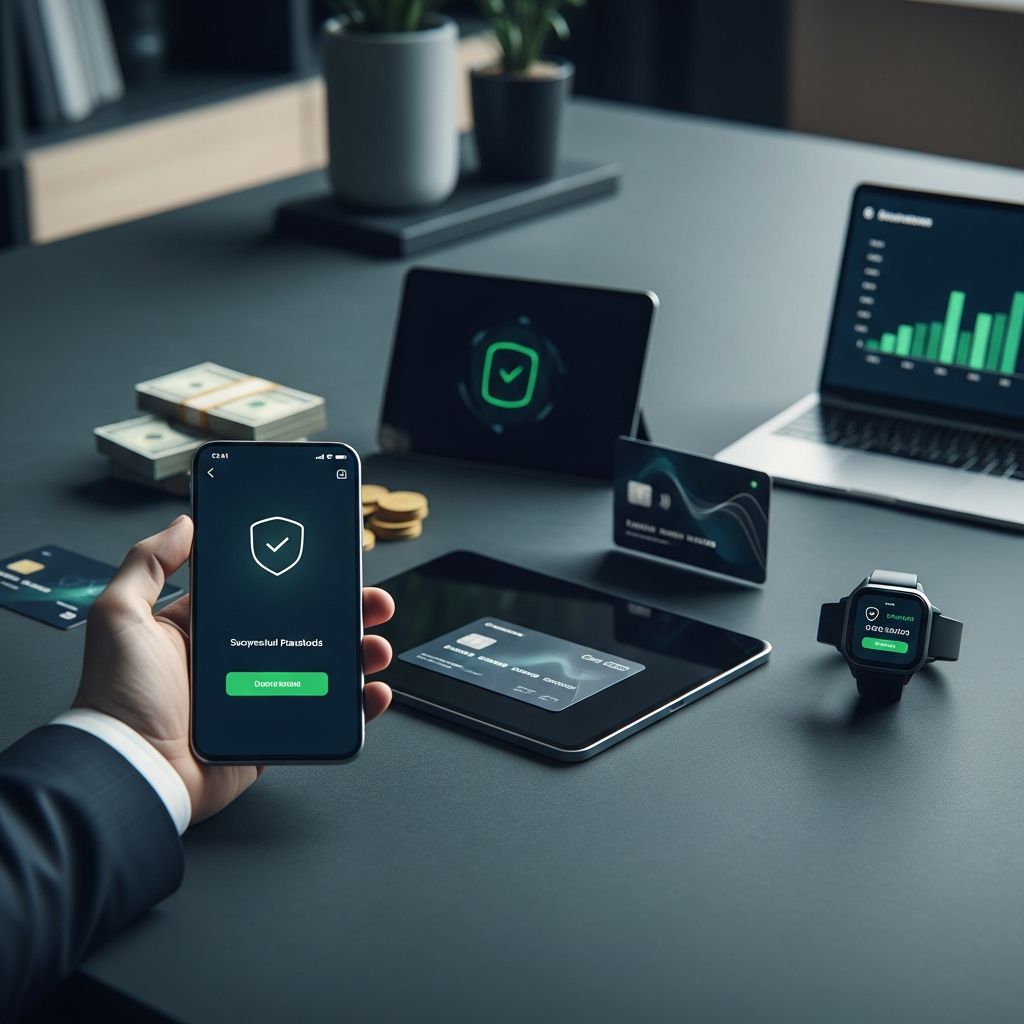
Professionals across industries are increasingly adopting digital payment solutions to simplify billing, reduce delays, and improve client experiences. These methods leverage online platforms, mobile applications, and near-field communication (NFC) technology to enable quick, secure transactions without traditional checks or cash. By integrating these tools, service providers can process payments remotely, on-site, or even through wearable devices, adapting to client preferences in a cashless economy.
Why Digital Payments Are Essential for Today’s Professionals
The shift toward digital payments has accelerated due to widespread smartphone adoption and demand for contactless options. Nearly 90% of Americans use some form of contactless payment, with even higher rates in markets like Singapore at 97% and the UK at 93.4%. This trend offers professionals faster transaction times—NFC payments average 12.5 seconds compared to 33.7 seconds for cash—enhancing efficiency and client satisfaction.
Key advantages include enhanced security through tokenization, where a one-time-use number replaces sensitive card data, and flexibility for remote or in-person services. For professionals like consultants, lawyers, or freelancers, these tools minimize administrative burdens and reduce non-payment risks.
Streamlining Payments with Online Invoicing Platforms
Online invoicing platforms represent a foundational digital payment method, allowing professionals to create, send, and track invoices via web portals. These systems integrate with bank accounts and credit cards, automating reminders and partial payments.
- Customizable Templates: Tailor invoices with branding, due dates, and line items for services rendered.
- Automated Follow-Ups: Send gentle reminders to overdue clients, improving collection rates.
- Global Reach: Accept payments in multiple currencies, ideal for international clients.
Popular platforms support one-click payments and recurring billing, which is perfect for retainer-based services. Integration with accounting software ensures seamless record-keeping, saving hours on manual entry.
Empowering Transactions Through Mobile Payment Apps
Mobile payment apps transform smartphones into portable payment terminals, enabling professionals to accept funds anytime, anywhere. These apps link to digital wallets like Apple Pay, Google Pay, and Samsung Pay, supporting debit, credit, and bank transfers.
| App | Key Features | Compatibility |
|---|---|---|
| Apple Pay | 92% market share, in-app and in-person payments, 500M users globally | iOS devices |
| Google Pay | End-to-end encryption, supports major cards, find-my-device security | Android |
| Samsung Pay | MST + NFC, swipe-to-pay, multiple cards | Samsung devices |
| PayPal | All major platforms |
Setup involves downloading the app, verifying identity, and linking payment methods. Professionals can generate QR codes for clients to scan or use Bluetooth readers for card taps. This method excels for fieldwork, where lugging a full POS system is impractical.
Revolutionizing In-Person Payments with NFC Technology
NFC, or near-field communication, enables contactless payments by exchanging data between devices within 1.5 inches using radio waves. No pairing is needed; a simple tap completes the transaction securely via encrypted tokens.
For professionals attending client meetings, NFC-equipped readers or phones turn any location into a payment point. Benefits include hygiene (post-pandemic favorite), speed, and interoperability with cards and wallets. Forecasts predict NFC POS terminals reaching 112.3 million units by 2022, with transaction volumes growing 150% by 2028.
- Security Layers: Tokenization and biometric authentication prevent fraud.
- Merchant Setup: Pair with providers like Square or PayPal for NFC-enabled hardware.
- Client Convenience: Supports watches and phones, no wallet required.
Integrating Wearables for On-the-Go Billing
Wearable devices like smartwatches extend mobile payments, allowing professionals to accept or process payments hands-free. Apple Watch with Apple Pay or Galaxy Watch with Samsung Pay use NFC chips for taps at terminals.
These are ideal for high-mobility roles, such as real estate agents showing properties or trainers at gyms. Linking wearables to apps syncs loyalty programs, offering cashback or points, which boosts repeat business.
Security Best Practices for Digital Payment Adoption
While convenient, digital payments require vigilance. Use end-to-end encryption, enable two-factor authentication, and monitor for unusual activity. Tokenization ensures actual card details never touch your device.
Choose providers compliant with PCI DSS standards. Regularly update apps and firmware to patch vulnerabilities. For professionals handling sensitive client data, segment payment systems from core operations.
Overcoming Common Challenges in Implementation
Initial hurdles include hardware costs and client education. Start with software-only solutions like QR codes before investing in readers. Train staff on protocols to build client trust.
Address compatibility by selecting multi-standard apps. In low-signal areas, fallback to manual entry ensures continuity.
Case Studies: Success Stories from Professional Services
Freelance consultants report 40% faster collections using mobile invoicing. Legal advisors with NFC readers note higher satisfaction from contactless options during office visits. These real-world examples highlight ROI through reduced churn and administrative time.
Frequently Asked Questions (FAQs)
What equipment do I need for NFC payments?
An NFC-enabled POS terminal or mobile reader from providers like Square. Most modern smartphones support it natively.
Are mobile payments secure for professional use?
Yes, with tokenization, encryption, and biometrics, they exceed traditional card security standards.
Can I use these methods for international clients?
Absolutely; apps like PayPal handle multi-currency and global transfers seamlessly.
How do digital wallets integrate with invoicing?
Platforms link directly, allowing clients to pay invoices via Apple Pay or Google Pay with one tap.
What if a client doesn’t have NFC-enabled devices?
Offer QR codes, manual card entry, or ACH transfers as backups.
Future Trends in Professional Payment Technologies
Expect biometrics expansion, voice-activated payments, and blockchain integration for instant cross-border settlements. NFC will evolve with 5G for even faster processing, solidifying its role in professional workflows.
Professionals who adopt these now position themselves ahead, capturing tech-savvy clients and future-proofing operations.
References
- Seven Different Types of Mobile Payments Explained — PayAnywhere. 2023. https://www.payanywhere.com/blog/seven-different-types-of-mobile-payments-explained-and-how-they-can-benefit-your-business
- Best NFC Mobile Payment Apps — RishabhSoft. 2023. https://www.rishabhsoft.com/blog/top-5-nfc-payment-apps
- How NFC Mobile Payments Work for Global Businesses — PayCompass. 2024. https://paycompass.com/blog/nfc-mobile-payments/
- Everything You Need to Know About NFC Mobile Payments — Business.com. 2023. https://www.business.com/articles/nfc-mobile-payments/
- What is NFC Mobile Payment? — ANSA.dev. 2024. https://www.ansa.dev/blog/what-is-nfc-mobile-payment
- NFC Payments: The Complete Guide — Kount. 2023. https://kount.com/blog/what-are-nfc-payments
Similar Articles








Read full bio of medha deb




