
Defective Products: Building Your Injury Claim
Uncover if a faulty product caused your harm and learn how to pursue justice through a strong liability lawsuit.
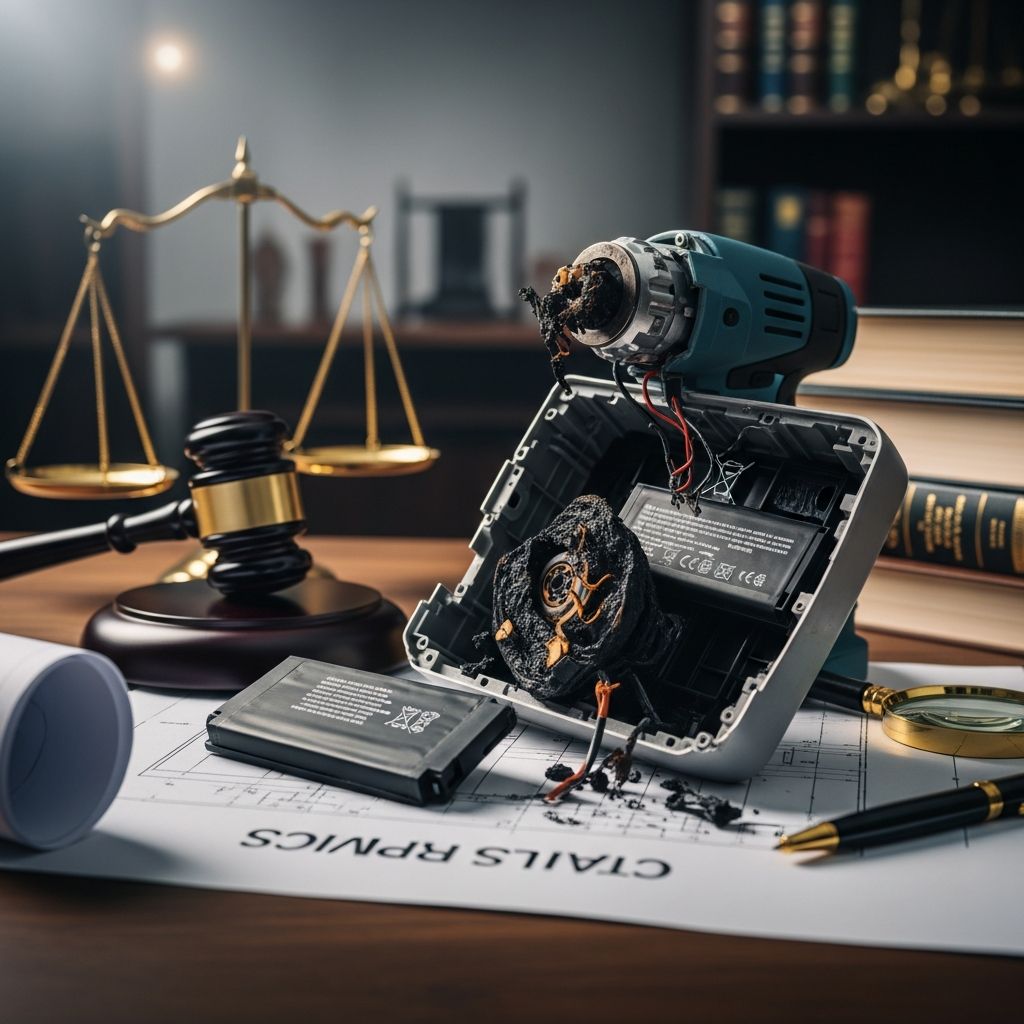
Every year, countless individuals suffer harm from everyday items that fail due to manufacturing flaws, poor designs, or insufficient warnings. Product liability law empowers consumers to hold accountable those responsible for unsafe goods, offering a pathway to financial recovery. This comprehensive guide outlines how to assess your situation, gather critical evidence, and navigate the legal process effectively.
Understanding the Foundations of Product Liability
Product liability encompasses the legal obligations of manufacturers, distributors, and sellers to ensure their products are safe for intended use. When a defect leads to injury, victims can pursue claims without always proving negligence, thanks to strict liability principles. This doctrine holds parties accountable if the product was unreasonably dangerous at the time it left their control.
Strict liability simplifies claims by focusing on the product’s condition rather than the defendant’s intent or carelessness. For instance, if a household tool malfunctions and causes burns, the maker could be liable regardless of precautions taken during production. This consumer-friendly approach stems from the recognition that companies in the supply chain bear responsibility for public safety.
Core Elements Required for a Successful Claim
To establish a viable case, plaintiffs must demonstrate specific components. These form the backbone of any lawsuit and are scrutinized in court.
- Existence of a Defect: The item must have an inherent flaw making it hazardous. Defects fall into three categories: design flaws affecting all units, manufacturing errors in specific batches, or marketing failures like missing hazard alerts.
- Causation Link: The flaw must directly result in the harm suffered. Courts examine if the injury would have occurred without the defect.
- Foreseeable Use: The product was used as intended or in a reasonably expected way, not through misuse.
- Actual Damages: Tangible losses, such as medical bills or lost income, must be proven with documentation.
Meeting these criteria positions claimants for potential success. Expert analysis often clarifies technical defects, strengthening arguments.
Categories of Product Defects Explained
Defects vary, each requiring tailored proof strategies. Understanding these distinctions aids in pinpointing liability.
| Defect Type | Description | Examples | Proof Challenges |
|---|---|---|---|
| Design Defect | Flaw in the product’s blueprint affects every unit produced. | Exploding batteries in devices; unstable furniture. | Requires engineering experts to show safer alternatives existed. |
| Manufacturing Defect | Error during assembly deviates from design specs. | Contaminated food; faulty brakes in vehicles. | Batch testing and production records are key. |
| Failure to Warn | Inadequate instructions or labels omit risks. | Chemicals without proper handling notes; tools lacking safety gear mandates. | Compare to industry standards for warning adequacy. |
These categories ensure comprehensive coverage, allowing claims against various fault origins.
Gathering Essential Evidence for Your Case
Strong evidence transforms a potential claim into a winnable one. Act swiftly to preserve materials.
- Retain the product, packaging, and manuals untouched for inspection.
- Capture photos/videos of the item, damage scene, and injuries immediately.
- Collect medical reports, bills, and treatment notes detailing harm extent.
- Secure receipts, warranties, and recall notices if applicable.
- Obtain witness accounts and incident reports from authorities.
- Engage specialists for defect analysis and causation testimony.
Documentation creates an irrefutable narrative, countering defense challenges effectively.
Identifying Liable Parties in the Supply Chain
Liability extends beyond makers to multiple entities. Strict liability implicates anyone profiting from the sale.
- Manufacturers: Primary targets for design and production issues.
- Distributors/Wholesalers: Responsible if they altered products or ignored known risks.
- Retailers: Liable for selling defectives, especially post-recall items.
This broad accountability ensures victims can target accessible defendants, streamlining recovery.
Potential Compensation: What Victims Can Recover
Awards aim to restore victims fully, covering past and future impacts.
- Economic Damages: Hospital fees, rehabilitation, wage losses, property repairs.
- Non-Economic Damages: Chronic pain, emotional trauma, reduced life quality.
- Punitive Damages: Rare, for egregious misconduct like concealing defects.
- Loss of Consortium: For family members affected relationally.
Values vary by injury severity; catastrophic cases yield higher sums. Legal counsel maximizes these through thorough valuation.
Navigating Legal Hurdles and Timelines
Statutes of limitations impose strict deadlines, often 2-4 years from injury discovery, varying by jurisdiction. Missing them bars claims permanently. Comparative fault rules may reduce awards if partial misuse contributed, but pure negligence states allow recovery regardless.
Class actions suit widespread defects, pooling resources for efficiency. Individual suits fit unique circumstances better.
Steps to Take Immediately After Injury
- Prioritize medical care and report to professionals.
- Preserve the product without modifications.
- Document comprehensively with visuals and notes.
- Notify sellers/manufacturers in writing.
- Consult a specialized attorney promptly for evaluation.
These actions safeguard rights and build momentum.
Frequently Asked Questions About Product Liability Claims
What if the product was recalled after my injury?
Recalls bolster claims by admitting defects but require proving your harm stemmed from it.
Can I claim if I misused the product slightly?
Possibly, if use was foreseeable; fault apportionment applies in many areas.
Do I need to prove the company was careless?
No, strict liability focuses on defect and injury causation, not negligence.
How much are typical settlements?
Varies widely; minor cases settle for thousands, severe ones reach millions based on evidence.
Should I handle this alone?
Experts recommend lawyers for complex evidence handling and negotiations.
Why Partner with a Legal Professional
Product cases demand technical expertise, from defect forensics to insurer battles. Attorneys secure better outcomes, often on contingency—no win, no fee. Free consultations clarify case strength without commitment.
In summary, defective products injure thousands annually, but liability laws provide recourse. Assess your elements, amass evidence, and seek counsel to pursue deserved justice.
References
- Product Liability Injury: Do I Have a Case? — SiebenCarey. 2023. https://www.knowyourrights.com/blog/product-liability-injury-do-i-have-a-case/
- What Is a Product Liability Case, and Do I Have a Claim? — Ankin Law. 2024. https://ankinlaw.com/what-is-a-product-liability-case-and-do-i-have-a-claim/
- What Evidence Do You Need for a Product Liability Claim? — LawInfo. 2023-10-15. https://www.lawinfo.com/resources/products-liability/what-evidence-do-you-need-for-a-product-liability-claim.html
- Who Can Be Liable in a Product Liability Case? — Jacobs & Dow. 2024. https://www.jacobslaw.com/who-can-be-liable-in-a-product-liability-case/
- Bringing a Products Liability Lawsuit — Justia. 2025-01-20. https://www.justia.com/products-liability/bringing-a-products-liability-claim/
Similar Articles








Read full bio of Sneha Tete




