
Daylight Saving Time Cuts Robbery Rates By 7% In Evenings Now
Unveiling how clock changes influence criminal behavior and public safety across seasons.
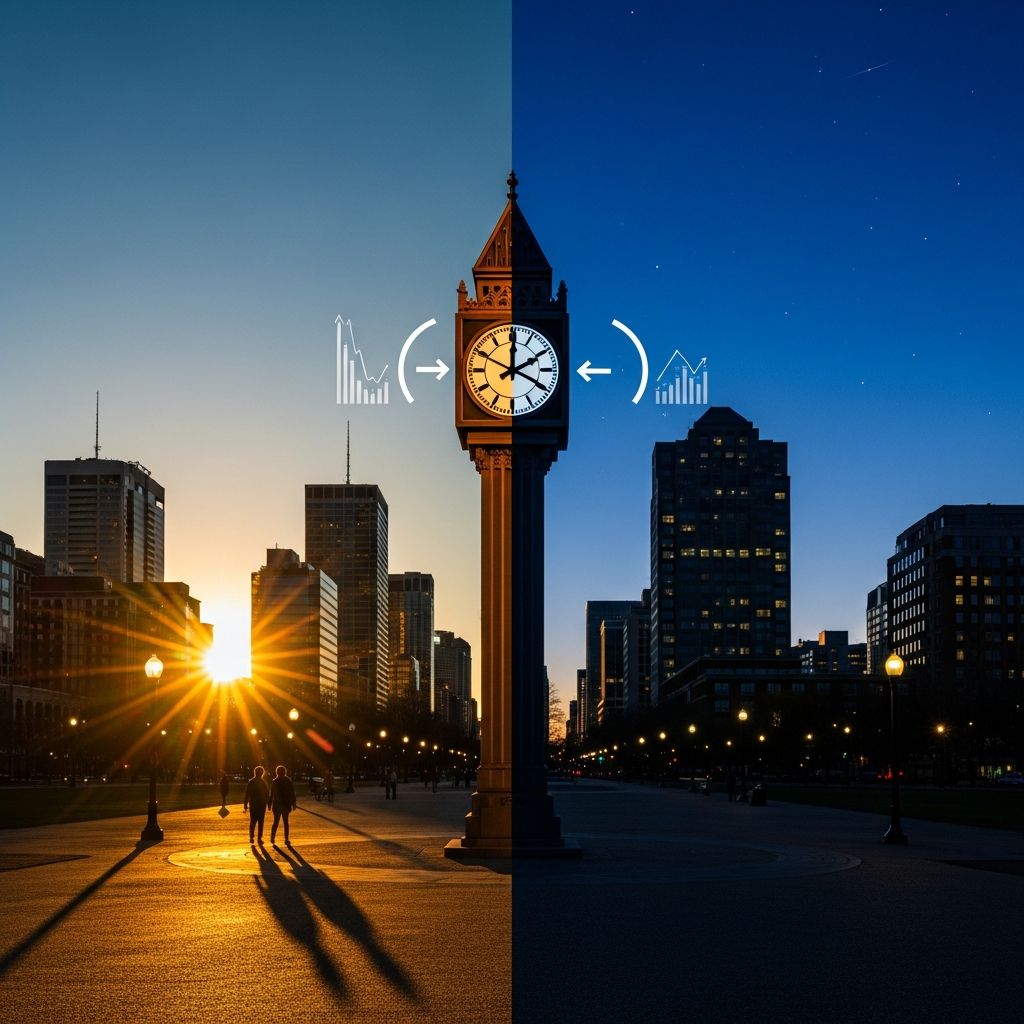
Daylight Saving Time (DST) adjustments have long been debated for their effects on energy use, health, and productivity. Less discussed, however, is their impact on crime. Research consistently shows that shifting clocks in spring reduces certain crimes, particularly robberies, by extending evening daylight when people are most vulnerable. Conversely, the fall shift back to standard time correlates with spikes in criminal activity as darkness arrives earlier. This phenomenon underscores how ambient light influences offender decisions and victim risks.
The Science Behind Light and Criminal Deterrence
Criminals often prefer darkness for concealment, making evening commutes prime targets. Studies leverage DST transitions as natural experiments to isolate light’s effect from weather or seasonal trends. When clocks spring forward, the hour around sunset shifts from dusk to daylight, dramatically altering visibility.
Economists analyze data from sources like the National Incident-Based Reporting System (NIBRS), tracking hourly crimes before and after DST changes. These shifts reveal that light acts as a deterrent: brighter conditions increase the risk of identification for offenders while empowering bystanders and victims.
- Key Mechanism: Sunset timing aligns with post-work hours, when streets fill with commuters walking to cars or homes.
- Deterrence Effect: Visibility raises the ‘net wage’ cost of crime—expected punishment outweighs gains.
- No Morning Offset: Darker mornings post-spring DST do not see crime rises, as criminals avoid early hours.
Spring Forward: A Shield Against Robbery
In March or April, advancing clocks by one hour grants an extra evening daylight segment. This change yields measurable public safety gains. Robbery rates plummet by an average of 7% daily in the weeks following the transition, with the most affected evening hour seeing drops up to 40-51%.
Consider the precise dynamics: Pre-DST, the post-sunset hour is twilight or dark, ideal for street crimes. Post-shift, it’s bathed in light. Researchers from William & Mary and the University of Virginia documented this using three-week windows around the change, confirming the light effect persists across time zones and isn’t tied to warmth.
| Crime Type | Daily Drop | Peak Hour Drop (Evening) |
|---|---|---|
| Robbery | 7% | 27-51% |
| Any Robbery Incident | 1.5 percentage points (19% relative) | N/A |
This table summarizes findings from regression discontinuity analyses, robust to various controls. The 2007 DST extension—pushing end dates later—amplified benefits, saving an estimated $59 million annually in social costs from fewer robberies.
Fall Back: When Darkness Fuels Crime Surges
The reverse occurs in autumn. Falling back an hour darkens evenings prematurely, boosting robbery by 7% overall and 27% in sunset hours. No morning uptick occurs, reinforcing that evening vulnerability drives the pattern.
A Brookings Institution analysis highlights how this extra darkness hour empowers criminals during peak commuter times. Victims face higher risks heading home, with streets emptying into shadow. Studies affirm this isn’t reallocation—total crimes rise, suggesting reduced overall activity only when light prevails.
- Vulnerable Moments: Leaving work, parking lots, residential walks.
- Quantified Risk: 27% hourly spike post-sunset, persisting weeks after change.
- Policy Note: Pre-2007 data showed similar trends, validating light over temperature.
Robust Evidence from Peer-Reviewed Research
The cornerstone study by Jennifer L. Doleac and Nicholas J. Sanders, published in The Review of Economics and Statistics, exploits the 2007 DST law change for causality. By comparing affected vs. unaffected hours, they isolate light’s role: a 7% robbery drop post-spring DST, driven by 27% in target hours. Probability of any robbery fell 19%.
Supporting work from Stanford and others reports even steeper 51% drops in sunset hours, using granular NIBRS data matched to sunset times by location. William & Mary findings align, noting 40% reductions in the critical hour. These converge on light’s short-term deterrence without long-term displacement.
Limitations exist: Effects are strongest for robberies (high-social-cost street crimes) and muted for acquaintance violence. Broader crimes like assault show smaller shifts, as darkness aids stranger attacks most.
Broader Societal and Economic Implications
Beyond stats, DST-crime links inform policy. Extending DST could yield millions in savings, but debates weigh health costs like sleep disruption. Communities might invest in lighting to mimic DST benefits year-round.
Public awareness peaks during transitions. Safety campaigns urge vigilance in fall, promoting lit paths and awareness. Economically, reduced robberies lower victim losses, policing costs, and justice expenses—$59 million yearly from one extension alone.
Practical Safety Measures for DST Transitions
Individuals can mitigate risks:
- Park in well-lit areas; use apps for safe routes.
- Travel in groups during evening dusk shifts.
- Install home motion lights to deter intruders.
- Stay alert: Avoid distractions like phones in dim conditions.
- Community: Advocate for streetlight upgrades in high-crime zones.
Employers might adjust schedules or offer escorts during fall backs.
Frequently Asked Questions
Does springing forward always reduce crime?
Yes, studies show consistent 7% daily robbery drops, largest in evenings, across U.S. regions.
Why no morning crime increase with darker AMs?
Criminals target evenings when victims are active; mornings see fewer opportunities.
Are all crimes affected equally?
Robberies drop most; assaults less so, as they often involve known parties.
Should we end DST to curb crime?
Evidence favors more evening light; year-round DST might enhance safety but needs weighing against other factors.
How much does DST save in crime costs?
The 2007 extension alone saved $59 million yearly via fewer robberies.
Conclusion: Illuminating Safer Communities
DST reveals light’s profound crime-fighting power. Policymakers, leveraging this, can prioritize evening illumination for enduring gains. As research evolves, these insights guide safer streets year-round.
References
- Daylight Saving Time spurs drop in crime rate — William & Mary News. 2013-03-11. https://www.wm.edu/news/stories/2013/daylight-saving-time-spurs-drop-in-crime-rate123.php
- Crime Rates Rise After Daylight Saving Time Ends — CPI Security Blog. N/A. https://cpisecurity.com/blog/study-finds-increase-in-crime-when-daylight-saving-time-ends/
- Crime surges when we turn our clocks back — Science | AAAS. 2015-10-20. https://www.science.org/content/article/crime-surges-when-we-turn-our-clocks-back-2
- Fighting crime with Daylight Saving Time — Brookings Institution. 2015-10-14. https://www.brookings.edu/articles/fighting-crime-with-daylight-saving-time/
- How Ambient Light Influences Criminal Activity — Jennifer L. Doleac and Nicholas J. Sanders (PDF). N/A. https://www.akleg.gov/basis/get_documents.asp?docid=27081
Similar Articles








Read full bio of medha deb




