
Liability of Dating Platforms for Dangerous Encounters
Exploring legal accountability of dating apps when user meetups turn violent: duties, protections, and paths to justice.
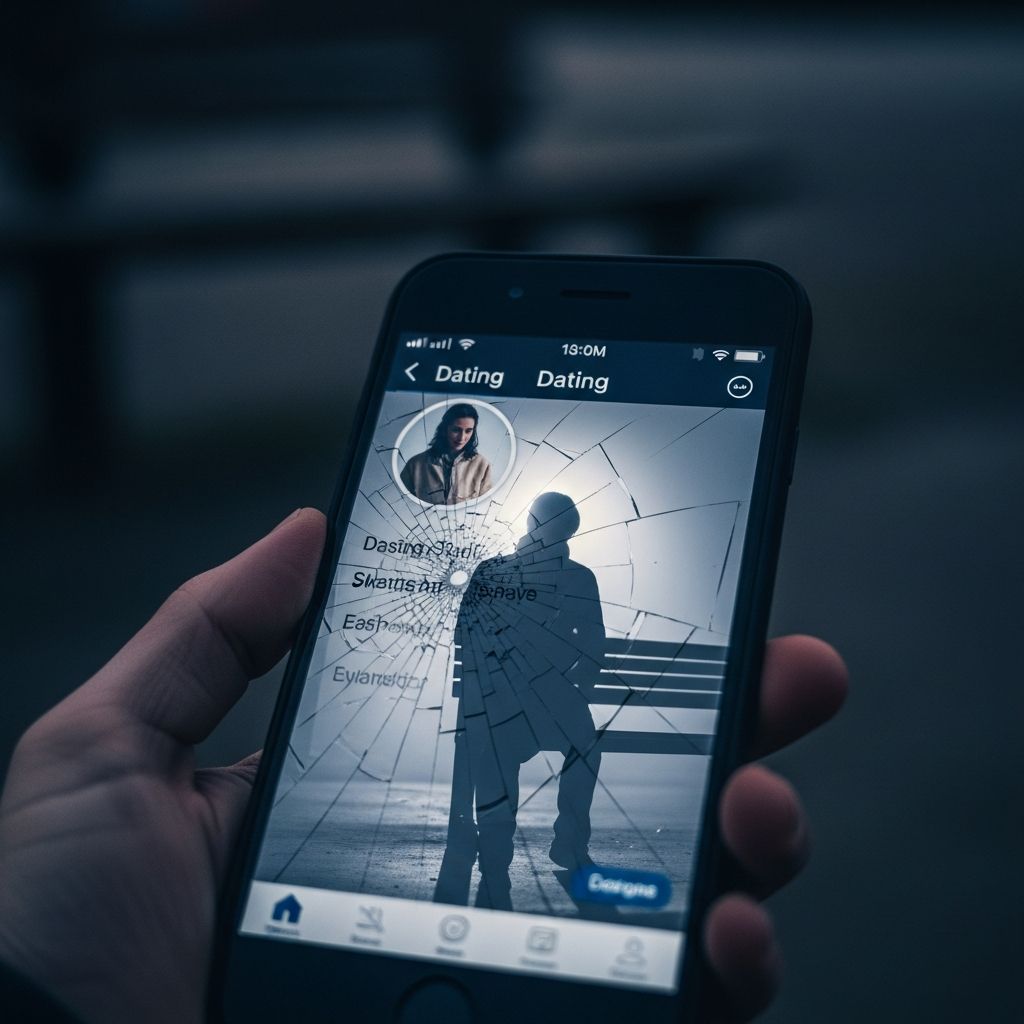
Dating platforms connect millions seeking romance, but when meetings escalate to violence, questions of corporate responsibility arise. Courts typically shield these services from liability, yet evolving laws and specific circumstances may create exceptions for negligence or failure to act on known risks.
Legal Shields Protecting Dating Services
The cornerstone of dating app immunity is
Section 230
of the Communications Decency Act (CDA), enacted in 1996 to foster internet growth by barring platforms from liability for third-party content. This means apps like Tinder or Bumble cannot be sued for a user’s profile, messages, or offline actions, treating them as neutral hosts rather than publishers.Without this federal protection, platforms would face endless lawsuits over user misconduct. However, Section 230 does not absolve companies from their own negligence, such as ignoring reports of abuse or misrepresenting safety features.
Negligence and the Duty of Care in Online Dating
For a negligence claim to succeed against a dating service, plaintiffs must prove four elements: duty, breach, causation, and damages. The pivotal issue is establishing a
duty of care
—a legal obligation to protect users from foreseeable harm.Traditionally, no ‘special relationship’ exists between platforms and users, unlike landlord-tenant dynamics where security is expected. A landmark Ninth Circuit case in 2018 dismissed a suit against Match.com, ruling no duty existed to warn a user about a stabber met via the site, as the platform lacked specific knowledge of the risk.
- No general duty: Platforms aren’t expected to vet every user like employers screen staff.
- Exception for knowledge: If a site has ‘actual notice’ of a user’s violent history—via complaints or convictions—and fails to act, a duty to warn may arise under state tort law.
- Foreseeability test: Courts assess if harm was predictable and if reasonable steps (e.g., bans) were ignored.
State-Specific Regulations Reshaping Liability
While federal law provides broad immunity, states are stepping in. Colorado’s
Senate Bill 24-011
(2024) mandates dating services implement written policies for handling reports of dangerous conduct, classifying non-compliance as a deceptive trade practice. Platforms must investigate credible complaints and suspend risky accounts, or face civil penalties.This law responds to incidents where apps like Hinge ignored stalking reports, enabling further assaults. It shifts focus from blanket immunity to accountability for moderation failures, with a two-year statute of limitations for injury claims under C.R.S. § 13-80-102.
| State | Key Law | Requirements | Potential Penalties |
|---|---|---|---|
| Colorado | SB 24-011 | Safety policies for reports; account suspensions | Deceptive trade violations |
| General U.S. | Section 230 (Federal) | Immunity for user content | Limited to own negligence |
| Various | Negligence Statutes | Duty if actual knowledge | Compensatory damages |
Promised Safety Features and Contract Claims
Many apps advertise background checks, AI moderation, or ‘safety tools’ like photo verification. If these promises in terms of service or ads prove false—e.g., no real vetting occurs—victims may claim
breach of contract
ormisrepresentation
. Punitive damages could apply if platforms knowingly retained predators post-reports.Proof is challenging: users must show reliance on the promise led to harm. Design flaws, like easy re-registration for banned users, amplify claims by enabling repeat offenders.
Alternative Avenues for Victim Compensation
When platforms escape liability, other paths exist:
- Against the perpetrator: Civil suits alongside criminal cases for assault, often yielding default judgments if they flee.
- Third-party negligence: Bars or venues for poor security/lighting; alcohol providers under dram shop laws if intoxication fueled violence.
- Protective orders: Restraining orders to bar contact, enforceable nationwide.
Attorneys investigate digital trails—chat logs, reports—to build cases, potentially piercing platform immunity if internal docs reveal ignored warnings.
Risks Inherent to Digital Matchmaking
Apps bypass traditional vetting (friends, family), exposing users to:
- Physical/sexual assaults post-meetups.
- Stalking via shared locations.
- Financial scams disguised as romance.
Statistics from the U.S. Department of Justice highlight rising app-related crimes, prompting calls for reform. Users should verify identities via video calls and meet publicly.
Building a Strong Legal Case
Success hinges on evidence:
- Preserve app communications and reports.
- Document injuries with photos/medical records.
- Report to police immediately for official records.
- Consult specialists in tech-facilitated harm.
Statutes of limitations vary (e.g., 2 years in Colorado), so act swiftly.
Frequently Asked Questions
Can I sue a dating app if I get assaulted on a date?
Generally no, due to Section 230, unless the app had specific knowledge of the attacker’s danger and failed to warn or ban them.
What is the duty to warn in dating app cases?
A legal obligation to alert users if the platform knows of a credible threat from another user, stemming from negligence principles.
Do background checks make apps liable?
Only if advertised but not performed, potentially breaching contracts or misleading users.
How has Colorado changed dating app rules?
SB 24-011 requires safety policies and response to reports, enabling claims for non-compliance.
What if the date happens at a public place?
Sue the venue for negligent security if poor measures contributed to the attack.
Steps for Safer Online Dating
Empower yourself:
- Reverse-image search profiles.
- Share plans with trusted contacts.
- Use app reporting tools proactively.
- Opt for verified platforms with strong moderation.
Advocacy grows for federal updates to Section 230, balancing innovation with safety.
References
- Are Dating Sites Liable for Dates That Turn Violent? — LRW Law Firm. 2018-11 (approx., based on Ninth Circuit ruling). https://www.lrwlawfirm.com/are-dating-sites-liable-for-dates-that-turn-violent/
- Dating App Liability Explained: Legal Responsibility in Online Dating — Denver Trial Lawyers. 2024. https://www.denvertrial.com/dating-app-liability-colorado/
- Can You Sue an Internet Dating Service? Know Your Rights — The Bradley Law Firm. Accessed 2026. https://thebradleylawfirm.com/blog/suing-internet-dating-sites/
- The Personal Danger You Face With Dating Apps — Ask Adams Kutner. Accessed 2026. https://www.askadamskutner.com/las-vegas-personal-injury-lawyers/tinder-hinge-bumble-dating-app-dangers/
- Legal Remedies for Dating App-Related Sexual Assaults — Hale Monico. 2025-07-16. https://www.halemonico.com/2025/07/16/legal-remedies-for-dating-app-related-sexual-assaults/
Similar Articles








Read full bio of medha deb




