Incarcération in U.S. jails exposes individuals to profound physical, psychological, and environmental hazards that extend far beyond loss of freedom. Overcrowded facilities, pervasive violence, and inadequate care create conditions ripe for trauma and recidivism, affecting millions annually.
Physical Violence and Assaults in Detention
Jails across the United States are hotspots for brutal confrontations, where inmates face assaults from peers and staff alike. The U.S. Department of Justice has documented extreme levels of homicide and rape in systems like Alabama’s prisons, attributing this to severe understaffing and poor oversight. In 2019, federal investigators revealed that Alabama’s facilities suffered from rampant stabbings, extortion, and sexual abuse, with guards often complicit through corruption or negligence.
Even witnessing violence inflicts lasting scars. Studies indicate that exposure to such events triggers post-traumatic stress symptoms, including anxiety, hypervigilance, and emotional dysregulation that persist post-release. Brennan Center analysis highlights how understaffed prisons fail to supervise adequately, allowing ‘gladiator-style’ violence to thrive unchecked.
- **Inmate-on-Inmate Attacks:** Competition for resources in crowded cells escalates into fights, often involving improvised weapons.
- **Staff-Involved Abuse:** Reports detail beatings and excessive force, dehumanizing detainees and eroding trust in authority.
- **Sexual Violence:** Widespread assaults create a climate of fear, with victims facing retaliation for reporting incidents.
Mental Health Decline Behind Bars
The carceral environment inherently damages mental well-being by stripping away social ties, purpose, and autonomy. Research from the Prison Policy Initiative shows incarceration triggers mood disorders like depression and bipolar, with effects lingering long after release—termed ‘Post-Incarceration Syndrome,’ akin to PTSD.
Poor conditions amplify this toll. The World Health Organization identifies overcrowding, isolation, violence, and subpar mental health services as key aggravators. A University of Georgia study linked overcrowded, punitive settings to heightened depression and hostility among inmates.
| Risk Factor | Impact on Mental Health | Source Evidence |
|---|---|---|
| Overcrowding | Increased suicide risk, reduced privacy | 2005 study correlates with suicides |
| Solitary Confinement | Anxiety, paranoia, personality changes | 50% of prison suicides from isolation |
| Violence Exposure | PTSD-like symptoms, emotional distress | 2009 study on trauma effects |
Corrections staff suffer too, with PTSD rates surpassing those of combat veterans and suicide rates double that of police, due to stressful, under-resourced environments.
Overcrowding: A Ticking Time Bomb
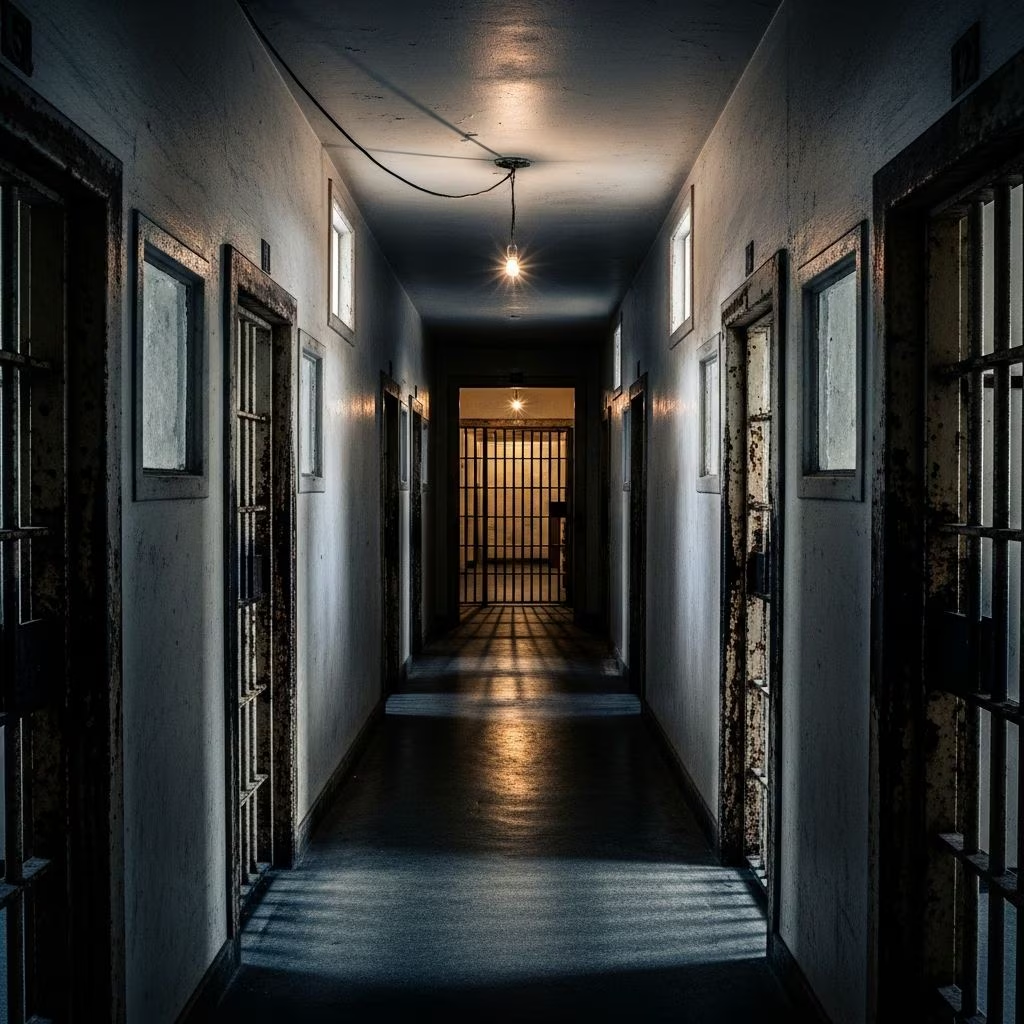
Many U.S. jails operate beyond capacity, leading to dire consequences. Overcrowding means prolonged cell time, scarce healthcare access, and neglected maintenance like mold, vermin, and broken locks. Vera Institute reports nearly 2 million people endure cramped, airless spaces lacking nutrition and light, fostering illness and unrest.
This strain hampers rehabilitation. Limited programming and work opportunities leave inmates idle, breeding frustration and violence. Administrators often skip vital screenings for at-risk individuals, heightening suicide dangers.
- Reduced staff-to-inmate ratios increase unsupervised conflicts.
- Poor sanitation spreads infectious diseases rapidly.
- Overburdened systems delay medical interventions.
Solitary Confinement’s Devastating Legacy
Isolation in tiny cells for 23 hours daily devastates the human psyche. Equal Justice Initiative notes sufferers experience perceptual distortions, severe depression, and paranoia, with isolation linked to half of all prison suicides despite housing under 8% of the population.
Brain science reveals ‘social pain’ from deprivation mimics physical agony, causing permanent neural alterations. Despite bans in some juvenile contexts, adult use persists, exacerbating mental illness without safety gains.
Healthcare Failures and Neglect
Inadequate medical services compound jail dangers. Chronic underfunding means delayed treatments for injuries or illnesses, while mental health support is minimal. Drug overdoses surge due to smuggled narcotics, often by staff, as seen in Alabama where officials hid death data.
Humiliating treatments and denial of care traumatize inmates, undermining reentry success. Harvard’s Prison Legal Assistance Project critiques superficial ‘treatment’ that ignores individual needs.
Impact on Staff and Public Safety
Correctional workers face burnout from low pay, long shifts, and violence exposure, leading to high turnover. This vicious cycle worsens conditions, as fewer guards mean less control and more incidents. Ultimately, failed rehabilitation boosts recidivism, endangering communities.
Survival Strategies for Navigating Jail Risks
While systemic reform is essential, individuals can adopt tactics to mitigate dangers:
- Stay Alert:** Avoid gangs and conflicts; observe facility dynamics quietly.
- Build Alliances:** Form respectful ties with reliable inmates and staff.
- Seek Programs:** Engage in education or therapy to maintain mental resilience.
- Document Issues:** Report abuses discreetly through legal channels.
- Prioritize Health:** Practice hygiene and demand care assertively.
Preparation includes mental conditioning and legal knowledge before entry.
Frequently Asked Questions
What is the most common danger in U.S. jails?
Violence, including assaults and sexual abuse, tops the list due to understaffing and overcrowding.
Does jail cause permanent mental health damage?
Yes, incarceration often triggers lasting disorders like PTSD through isolation and trauma.
How does overcrowding affect jail safety?
It limits supervision, spreads disease, and heightens tensions leading to riots or suicides.
Is solitary confinement still widely used?
Yes, despite known harms, it’s common and linked to high suicide rates.
Can inmates get adequate medical care in jail?
Rarely; systemic neglect leads to untreated conditions and overdoses.
Pathways to Reform and Safer Facilities
Addressing jail dangers demands policy shifts: ending mass incarceration, boosting staffing, banning prolonged solitary, and investing in mental health. Evidence shows humane conditions reduce recidivism and enhance public safety. Federal oversight, like DOJ probes, pressures states toward compliance.
Community alternatives—diversion programs, restorative justice—offer hope, proving incarceration isn’t inevitable for minor offenses. Vera Institute advocates dignity-focused reforms to break trauma cycles.
References
- Research Roundup: Incarceration can cause lasting damage to mental health — Prison Policy Initiative. 2021-05-13. https://www.prisonpolicy.org/blog/2021/05/13/mentalhealthimpacts/
- How Atrocious Prison Conditions Make Us All Less Safe — Brennan Center for Justice. 2023-10-10. https://www.brennancenter.org/our-work/analysis-opinion/how-atrocious-prisons-conditions-make-us-all-less-safe
- Prison Conditions — Equal Justice Initiative. 2024-01-15. https://eji.org/issues/prison-conditions/
- Living Conditions in Prison — Vera Institute of Justice. 2023-05-22. https://www.vera.org/ending-mass-incarceration/dignity-behind-bars/living-conditions-in-prison
- Prison Conditions — Harvard Prison Legal Assistance Project. 2022-11-08. https://clinics.law.harvard.edu/plap/category/prison-conditions/
- New Report on Jail Confirms Unsafe Conditions and Rising Deaths — Court Excellence. 2025-03-15. https://www.courtexcellence.org/news-items/2025-jail-audit