
Criminal Defense Attorney Fees: Key Insights
Navigate the costs of hiring a criminal defense lawyer: fee structures, hidden expenses, and smart strategies for affordability.
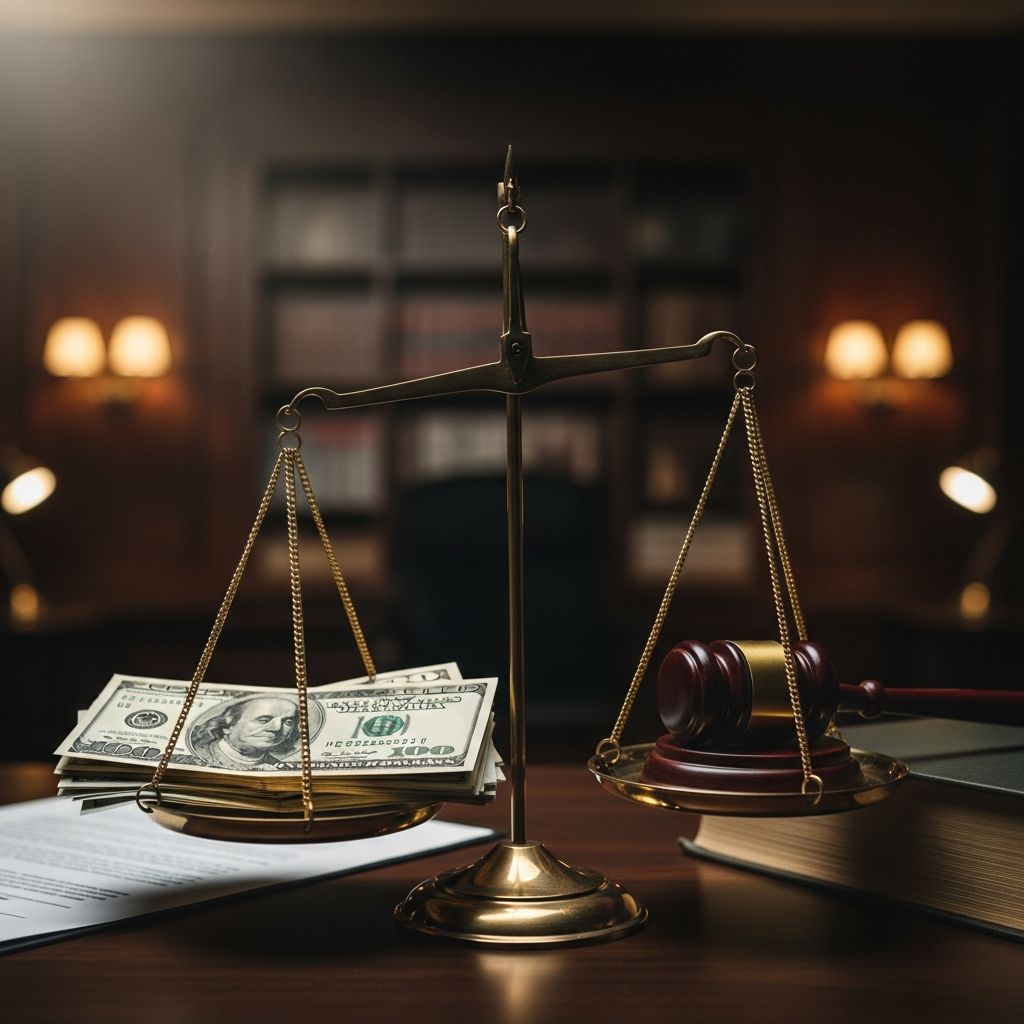
Facing criminal charges demands swift action to secure skilled legal help, but understanding the financial commitment is equally vital. Criminal defense attorney fees vary widely based on case details, lawyer expertise, and billing approaches, often ranging from thousands for minor offenses to six figures for grave matters. This guide breaks down the essentials to empower informed decisions.
Understanding Billing Models in Criminal Cases
Criminal defense lawyers primarily employ three billing strategies: flat fees, hourly rates, and retainers. Each suits different case types and client needs, influencing total expenditure significantly.
- Flat Fees: A fixed sum covers all services from consultation to resolution, ideal for predictable misdemeanors. Clients appreciate the budgeting ease, as it eliminates surprise invoices regardless of hours invested.
- Hourly Rates: Compensation per hour worked, typically $100-$1,000 depending on location and experience. This model fits complex felonies needing extensive investigation or trials but risks escalating costs.
- Retainers: An initial deposit from which hourly fees or flat stages draw down. Common for ongoing cases, it secures lawyer commitment while allowing flexibility for prolonged litigation.
| Billing Type | Best For | Typical Range | Pros | Cons |
|---|---|---|---|---|
| Flat Fee | Misdemeanors, pleas | $3,000-$15,000 | Predictable costs | May exclude extras |
| Hourly | Felonies, trials | $100-$1,000/hr | Pay for work done | Unpredictable total |
| Retainer | Complex cases | $5,000-$50,000 upfront | Secures services | Refills if depleted |
Selecting the right model hinges on charge severity and expected duration. Misdemeanor flat fees often suffice for quick resolutions, while felonies demand hourly or retainer scrutiny.
Factors Driving Fee Variations
No two cases are identical, and fees reflect this diversity. Key influencers include:
- Charge Gravity: Simple theft might cost $3,000-$5,500 flat, but felonies like assault start at $8,500-$15,000, surging to $25,000+ for trials. Murder defenses can exceed $100,000.
- Lawyer Experience: Seasoned attorneys command premiums for proven track records, especially in high-stakes jurisdictions.
- Geographic Location: Urban centers like Los Angeles or New York see higher rates ($500-$1,000/hour) versus rural areas due to demand and overhead.
- Case Complexity: Need for experts, motions, or appeals inflates bills, as does trial likelihood over pleas.
Clients should probe these during consultations, requesting breakdowns tailored to their situation for accurate budgeting.
Beyond Attorney Fees: Hidden and Court-Related Costs
Attorney charges represent only part of the equation. Additional expenses can double or triple outlays, demanding upfront clarification.
- Court Filing Fees: Mandatory payments for documents, varying by jurisdiction but often $100-$500 per motion.
- Expert Witnesses: Forensic analysts or psychologists bill $200-$1,000/hour, essential for defenses hinging on technical evidence.
- Investigators: Private sleuths uncover exculpatory facts, costing $50-$150/hour plus travel.
- Bail and Bonds: Premiums (10% of bail) or collateral secure release, non-refundable in many instances.
- Transcripts and Copies: Court records run $3-$5/page, accumulating rapidly in multi-hearing cases.
Insist on written agreements specifying covered items versus client-paid extras. This transparency averts disputes and financial shocks mid-case.
Strategies for Managing and Financing Legal Costs
Affordability shouldn’t compromise quality. Practical steps include:
- Shop Strategically: Consult multiple attorneys; many offer free initials. Compare not just price but success rates and charge familiarity.
- Negotiate Payment Plans: Phased retainers or installments ease burdens, especially for flat fees.
- Public Defender Option: Indigent defendants qualify for free counsel via means tests, though caseloads limit personalization.
- Legal Aid Non-Profits: Organizations assist low-income individuals with qualifying cases.
- Crowdfunding or Loans: Platforms like GoFundMe or family loans bridge gaps, but weigh interest against long-term impact.
Prioritize short-term payments to enable robust defense, potentially averting harsher penalties and future costs.
Steps to Hiring Without Fee Surprises
Approach attorney selection methodically:
- Gather charge documents and timeline.
- Inquire about fee structure, inclusions, and extras.
- Secure a detailed written contract.
- Discuss plea versus trial cost implications.
- Verify payment flexibility and refund policies.
This diligence ensures alignment and fiscal control throughout proceedings.
Frequently Asked Questions (FAQs)
What is the average cost for a misdemeanor defense?
Expect $3,000-$5,500 in flat fees for straightforward misdemeanors, higher if trial-bound.
Do flat fees cover trials?
Often not; many cap at plea stages, adding trial fees separately. Confirm scope explicitly.
Are consultations free?
Most are, lasting 15-30 minutes to assess fit and quote fees.
What if my retainer runs out?
Replenish or face reduced services; discuss caps upfront.
Can I get a refund if the case resolves early?
Rare for flat fees; hourly retainers may refund balances per agreement.
Protecting Your Future Through Informed Choices
Quality representation hinges on matching budget to needs. By grasping fee dynamics, additional costs, and negotiation tactics, defendants position themselves for optimal outcomes without undue strain. Early investment in counsel often yields liberty and record preservation far outweighing expenses.
Expand your knowledge: For jurisdiction-specific rates, consult state bar associations. Always verify attorney credentials via official directories.
References
- How Much Does a Criminal Defense Lawyer Cost in California? — Tully & Weiss. 2026. https://www.tully-weiss.com/blog/how-much-does-a-criminal-defense-lawyer-cost-in-california/
- Criminal Lawyer Costs: Understanding Fees & Retainers — Zabriskie Law. N/A. https://www.zabrisk.com/post/how-much-does-a-criminal-lawyer-cost-fees-and-retainers
- How To Pay For a Criminal Defense Attorney — Super Lawyers. N/A. https://www.superlawyers.com/resources/criminal-defense/how-to-pay-for-a-criminal-defense-attorney/
- Understanding Criminal Defense Lawyers | Legal Fees — Carolina Attorneys. N/A. https://www.carolinaattorneys.com/blog/criminal-defense-lawyers-legal-fees/
- How Much Does A Criminal Attorney Cost — Perlman Cohen. N/A. https://perlmancohen.com/how-much-does-a-criminal-attorney-cost/
- How Much Does a Criminal Lawyer Cost in California? — San Diego Criminal Attorneys. 2025-02. https://www.sandiegocriminalattorneys.org/blog/2025/february/how-much-does-a-criminal-lawyer-cost-in-californ/
Similar Articles








Read full bio of Sneha Tete




