
Credit Card Decline Scams: Business Protection Guide
Learn how scammers exploit declined card messages to steal data and protect your business from these rising threats effectively.
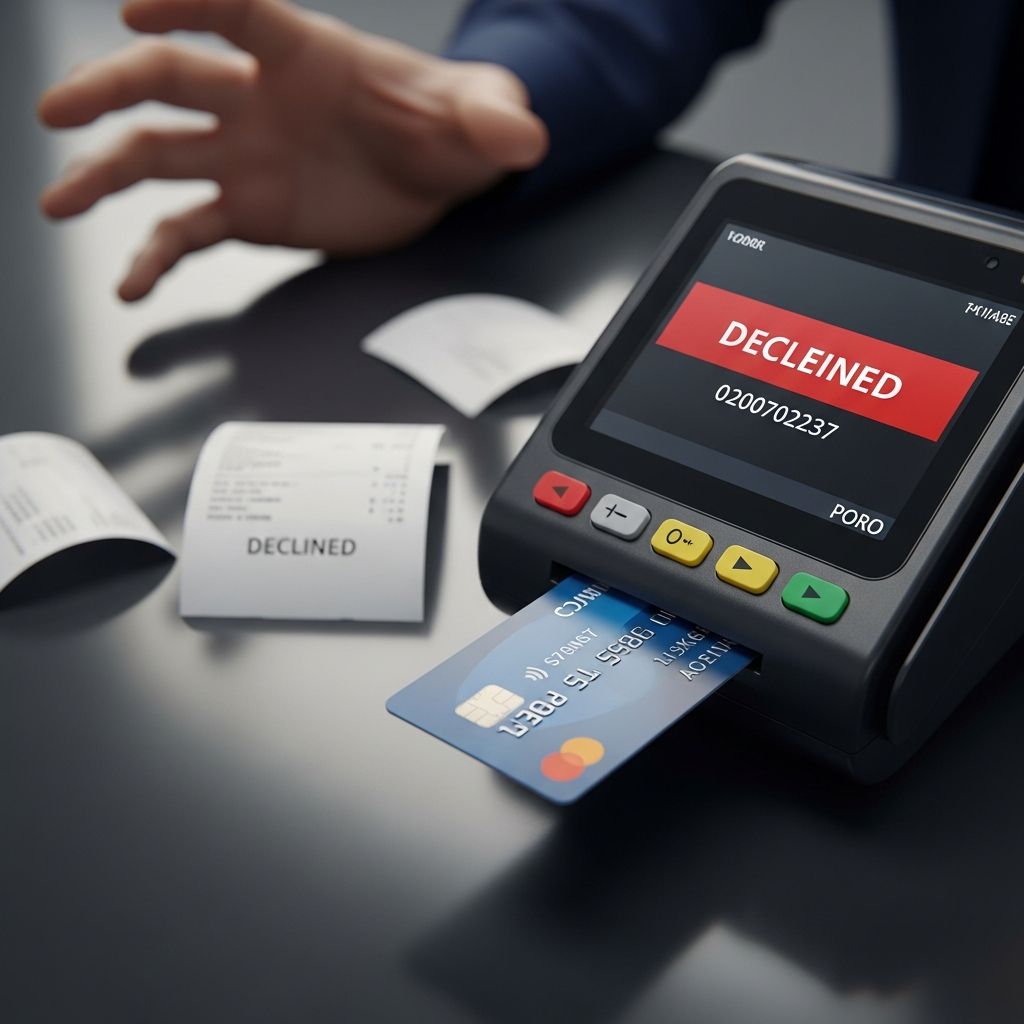
Modern businesses rely heavily on seamless payment processing, but scammers are exploiting a common frustration: the “card declined” message. These schemes trick merchants into overriding declines or entering sensitive data manually, leading to significant financial losses and reputational damage. Understanding these tactics is crucial for maintaining secure transactions.
Understanding the Core Mechanics of Decline Scams
Credit card decline scams target the moment when a legitimate card is rejected by a processor. Fraudsters contact businesses posing as customers or technical support, urging staff to bypass standard protocols. For instance, a caller might claim their card was declined due to a temporary glitch and request an override code or manual entry of card details over the phone.
This manipulation preys on the desire to complete sales quickly. Once obtained, the data fuels unauthorized charges or full account takeovers. According to consumer protection reports, such incidents have surged with online shopping peaks, affecting both small retailers and larger operations.
Key elements include:
- Social engineering to build urgency.
- Exploitation of point-of-sale (POS) system vulnerabilities.
- Requests for authorization codes or CVV numbers.
Common Variants Targeting Merchants
Scammers adapt their approaches across channels. In phone-based scams, victims receive calls from individuals pretending to be distressed customers whose cards were declined online or in-store. They provide partial card details and pressure for overrides.
Online, fake websites mimic legitimate retailers, showing decline messages to capture multiple cards from unsuspecting users—who then report fraud to real businesses. For physical stores, criminals use stolen cards and coach employees via phone to force approvals.
| Scam Type | Description | Business Impact |
|---|---|---|
| Phone Override | Fraudster calls requesting manual approval code | Direct data theft, chargebacks |
| Fake Decline Sites | Websites show false declines to harvest cards | Customer complaints, refunds |
| POS Tampering | Skimming devices or insider prompts | Loss of inventory, fines |
These methods have evolved, with reports indicating a rise in sophisticated phishing tied to social media ads.
Why Small Businesses Are Prime Targets
Small enterprises often lack robust fraud detection teams, making them vulnerable. High transaction volumes during peaks amplify risks, as staff prioritize speed over verification. Additionally, outdated POS systems may allow easy overrides without multi-factor checks.
Federal guidelines highlight that declined cards can signal fraud blocks by issuers, yet pressure to approve leads to 20-30% higher dispute rates in affected businesses. Owners face not just losses but PCI compliance penalties, averaging thousands per breach.
Critical Red Flags to Spot Immediately
Training staff to recognize warning signs prevents most incidents. Watch for:
- Customers insisting on phone overrides for declined cards.
- Unusual payment details like foreign-issued cards for local purchases.
- Pressure tactics such as “this is my last attempt” or offers of tips for quick approval.
- Declines followed by requests for full card info, PINs, or one-time codes.
Legitimate declines from issuers—like insufficient funds or fraud flags—never require merchant overrides; contact the bank instead. BBB reports confirm these patterns in thousands of consumer complaints.
Implementing Robust Prevention Strategies
Proactive measures fortify defenses. Start with staff training: mandate “never override without manager approval” policies. Use EMV chip readers and NFC for encrypted transactions, reducing swipe fraud.
- Enable real-time alerts for suspicious patterns via your processor.
- Adopt tokenization to replace card data with secure tokens.
- Conduct regular POS audits and software updates.
For online sales, verify HTTPS and avoid unvetted payment gateways. FTC advises shopping processors with transparent fees and fraud tools.
Navigating Legal and Compliance Obligations
Businesses must adhere to PCI DSS standards, which prohibit storing CVVs or approving risky transactions. Violations from scams can trigger audits and fines up to $100,000 monthly. Document all incidents and report to authorities promptly.
Chargeback ratios exceeding 1% often lead to account termination by processors. Maintain logs to dispute invalid claims effectively.
Responding Effectively to Suspected Incidents
If a scam occurs, act swiftly:
- Cancel the transaction and void any approvals.
- Notify your payment processor and bank immediately.
- Freeze affected cards if customer data was exposed.
- File reports with FTC at ReportFraud.ftc.gov and local police.
Monitor accounts for 30-60 days post-incident. Offer affected customers support to rebuild trust.
Advanced Tools and Technologies for Fraud Defense
Leverage AI-driven monitoring from providers like those compliant with Visa and Mastercard rules. These systems flag anomalies like velocity checks (too many rapid attempts) or geolocation mismatches.
Two-factor authentication for high-value sales and biometric verification add layers. For small businesses, affordable solutions from reputable firms prevent up to 90% of attempts.
Building a Fraud-Resistant Business Culture
Integrate security into daily operations through monthly drills and incentives for spotting risks. Partner with credit unions or banks offering fraud education, as many provide free resources.
Customer communication—clear policies on declines—reduces misunderstandings and builds loyalty.
Frequently Asked Questions
What should I do if a customer demands a card override?
Politely decline and suggest they contact their issuer. Never provide codes or manual entries.
How can I tell if a decline is legitimate?
Check your POS for issuer messages like fraud hold. Verify independently without customer input.
Are chip cards immune to these scams?
No, but they reduce data capture risks. Combine with software checks for full protection.
What are the costs of falling victim?
Direct losses, chargebacks, fines, and lost trust—often $500-$10,000 per incident.
How often do these scams occur?
Rising sharply; BBB tracks thousands yearly, peaking in holidays.
This comprehensive approach ensures businesses stay ahead of evolving threats, safeguarding revenue and reputation in a digital payment landscape.
References
- Beware of Card Declined Scams — People Driven Credit Union. 2024. https://www.peopledrivencu.org/other/safety-and-security/scam-and-fraud-awareness/beware-of-card-declined-scams/
- ‘Card declined’ message could be scam attempt — ABC7 News. 2024-11-20. https://abc7news.com/post/did-get-card-declined-message-could-part-growing-scam-heres-how-protect/15509127/
- When a Company Declines Your Credit or Debit Card — Federal Trade Commission (FTC). 2023-05-01. https://consumer.ftc.gov/when-company-declines-your-credit-or-debit-card
- Beware of ‘Card Declined’ Message Scams — Tower Federal Credit Union. 2024-11-01. https://www.towerfcu.org/advice-planning/financial-wellness/november-2024/beware-of-card-declined-message-scams
- Credit Card Processing Scams and Fraud Small Businesses Should Avoid — U.S. Chamber of Commerce. 2024. https://www.uschamber.com/co/run/finance/prevent-credit-card-scams
Similar Articles








Read full bio of medha deb




