
Craft Breweries: Legal Opportunities for Law Firms
Unlock new revenue streams: How law firms can capitalize on the evolving craft brewery industry's legal complexities in 2026.
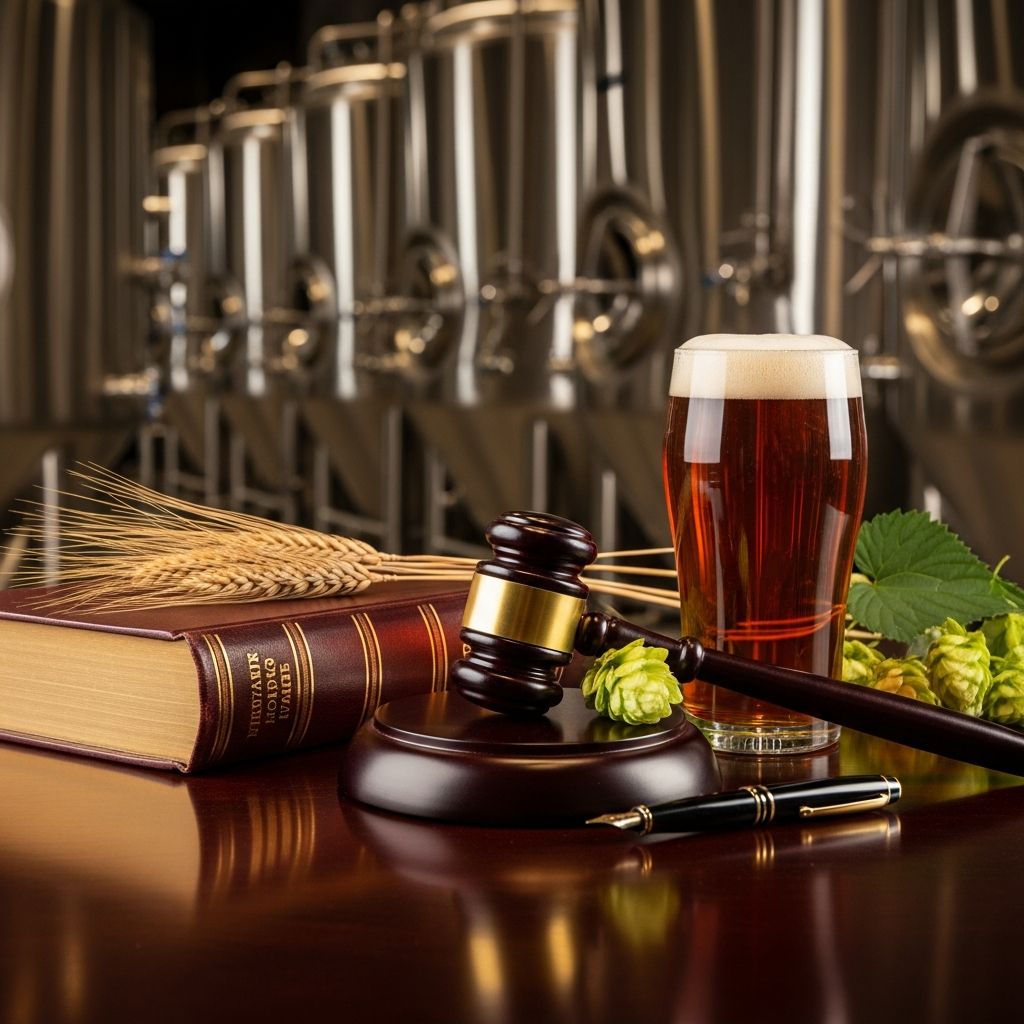
The craft brewery sector is undergoing a profound transformation in 2026, marked by consolidation, strategic refocusing, and innovative business models. This evolution creates a fertile ground for law firms specializing in business law to provide essential services, from regulatory compliance to real estate transactions and intellectual property protection.
Understanding the 2026 Craft Beer Landscape
The craft beer industry, once fueled by explosive growth, is now entering a phase of maturity and reset. According to industry analyses, U.S. craft beer is projected to grow at a modest 4.1% CAGR, a sharp decline from previous double-digit rates. This slowdown has led to more brewery closures than openings, with nearly 9,800 firms still operating but facing volume declines.
Successful breweries are shifting from maximalist strategies—such as expansive SKU portfolios—to focused operations emphasizing core products, taproom experiences, and adjacent markets like non-alcoholic beers. These changes amplify the need for legal expertise in navigating complex regulations, securing funding, and protecting brand assets.
Key Legal Challenges in Brewery Operations
Breweries in 2026 grapple with multifaceted legal hurdles that demand specialized counsel. Alcohol licensing remains a primary barrier, involving federal TTB approvals, state-specific permits, and local zoning compliance. Changes in distribution laws, especially for direct-to-consumer sales, require ongoing legal vigilance.
Intellectual property issues are rampant as brands rationalize SKUs and enter new categories. Protecting trademarks for limited releases or non-alcoholic extensions is crucial amid increasing competition. Additionally, employment law complexities arise from staffing taprooms as profit centers, including labor classifications for bartenders and brewers.
Real Estate and Expansion: Prime Legal Niches
Taprooms are evolving into experience-driven destinations, boosting demand for commercial real estate expertise. With available spaces from closed breweries, owners seek flexible leasing and purchase agreements tailored to high-traffic locations. Law firms can assist in negotiating terms that account for foot traffic data, event hosting, and multi-revenue streams.
In regions like Pennsylvania, breweries revitalize retail corridors, acting as anchors for shopping centers. This trend necessitates due diligence on property titles, environmental assessments for brewing facilities, and financing structures amid cautious lending environments.
| Real Estate Challenge | Legal Service Opportunity | 2026 Trend Impact |
|---|---|---|
| Securing prime locations | Zoning and permitting | Closures create cheap spaces |
| Taproom expansions | Lease negotiations | Experience economy focus |
| Retail corridor integration | Anchor tenant agreements | Revitalization projects |
Regulatory Compliance and Licensing Strategies
Alcohol beverage laws form the bedrock of brewery operations. Federal regulations from the Alcohol and Tobacco Tax and Trade Bureau (TTB) govern labeling, formulas, and advertising, while states impose tied-house restrictions and three-tier system compliance. In 2026, as breweries pivot to on-premise sales, lawyers must guide direct-to-consumer permit applications and event licensing.
- Federal TTB Approvals: Formula reviews for innovative products like NA beers require precise documentation.
- State Distribution Laws: Self-distribution thresholds and franchise protections impact growth strategies.
- Local Ordinances: Noise, parking, and health codes for taprooms demand proactive compliance.
Law firms can offer compliance audits, helping breweries avoid costly fines and suspensions, especially during market contractions.
Intellectual Property Protection in a Competitive Market
With shelf space shrinking and SKU rationalization underway, brand protection is paramount. Breweries investing in taproom experiences need trademarks for unique event series, merchandise, and collaborations. Patent opportunities arise in brewing innovations presented at events like the Craft Brewers Conference.
Law firms should conduct IP audits, file trademarks promptly, and litigate against infringements. As big players like Anheuser-Busch gain craft market share, smaller breweries require defensive strategies.
Funding, Contracts, and Risk Management
Rising interest rates and lender caution make funding a legal priority. Breweries must prepare robust narratives with sales projections and traffic data for loans or investments. Contract drafting for suppliers, distributors, and partners ensures favorable terms in a value-driven market.
Liability insurance, product recalls, and premises risk heighten with expanded taprooms. Law firms can structure limited liability entities and draft waivers for events, mitigating exposure.
Employment and Operational Legal Support
Operational excellence defines 2026 survivors, necessitating HR compliance. From training checklists for staff to wage-hour disputes, breweries need counsel on classifications under the Fair Labor Standards Act. As taprooms host entertainment, workers’ compensation and safety regulations intensify.
- Develop position-specific training and compliance protocols.
- Navigate collective bargaining if unionization trends emerge.
- Handle terminations amid cost-cutting measures.
Strategic Partnerships: Law Firms as Brewery Advisors
Breweries benefit from ongoing legal retainers for scenario planning, such as mergers amid consolidation or pivots to RTDs. Firms with industry knowledge can facilitate partnerships, like taproom-food collaborations, with airtight agreements.
Attending events like CBC 2026 positions lawyers to network and demonstrate expertise in small brewery production challenges.
Case Studies: Successful Legal Interventions
Consider a Pennsylvania brewery leveraging retail corridor positioning: Legal support in anchor tenant negotiations secured favorable rents and traffic guarantees. Another example involves a startup acquiring a shuttered facility, where title searches revealed infrastructure assets, slashing startup costs.
These cases illustrate how proactive legal advice translates to competitive edges in a resetting market.
Frequently Asked Questions
What are the biggest legal risks for craft breweries in 2026?
Primary risks include licensing violations, IP disputes, and real estate compliance amid expansions and closures.
How can law firms attract brewery clients?
Specialize in alcohol law, attend industry conferences, and offer free compliance webinars tailored to current trends like taproom focus.
Is 2026 a good time to start representing breweries?
Yes, with available locations and maturation creating demand for strategic legal guidance.
What role does zoning play in taproom success?
Zoning dictates location viability, impacting tourism draw and neighborhood revitalization.
How is consolidation affecting legal needs?
Mergers and acquisitions surge, requiring due diligence, antitrust reviews, and transition planning.
References
- Beer’s Great Reset: How the Industry is Leaning Into 2026 — Protis Global. 2026. https://protisglobal.com/articles/beers-great-reset-how-the-industry-is-leaning-into-2026
- Taprooms, Tourism, and Real Estate: What 2026 CRE Trends Mean for Pennsylvania Breweries — Breweries in PA. 2026. https://breweriesinpa.com/taprooms-tourism-and-real-estate-what-2026-cre-trends-mean-for-pennsylvania-breweries/
- 3 Steps to Open Your Brewery in 2026 — Tom Hennessy, Substack. 2026. https://tomhennessy.substack.com/p/3-steps-to-open-your-brewery-in-2026
- 2026 is the BEST year to start a brewery (no, really) — YouTube (Fred Forsley). 2026. https://www.youtube.com/watch?v=ME2UawIjJSs
- The Beer Industry Needs a 2026 Turnaround. Here’s What’s at Stake — VinePair. 2026. https://vinepair.com/articles/hop-take-beer-stories-to-shape-2026/
- Brew Better, Smarter: Small Brewery Production at CBC 2026 — Brewers Association. 2026. https://www.brewersassociation.org/association-news/brew-better-smarter-small-brewery-production-at-cbc-2026/
- 6 Beer Industry Trends to Watch in 2026 — SevenFifty Daily. 2026. https://daily.sevenfifty.com/6-beer-industry-trends-to-watch-in-2026/
Similar Articles








Read full bio of Sneha Tete




