
What To Wear To Court: Expert Tips For Professional Appearance
Discover essential guidelines on clothing choices that can impact your courtroom impression and case outcome.
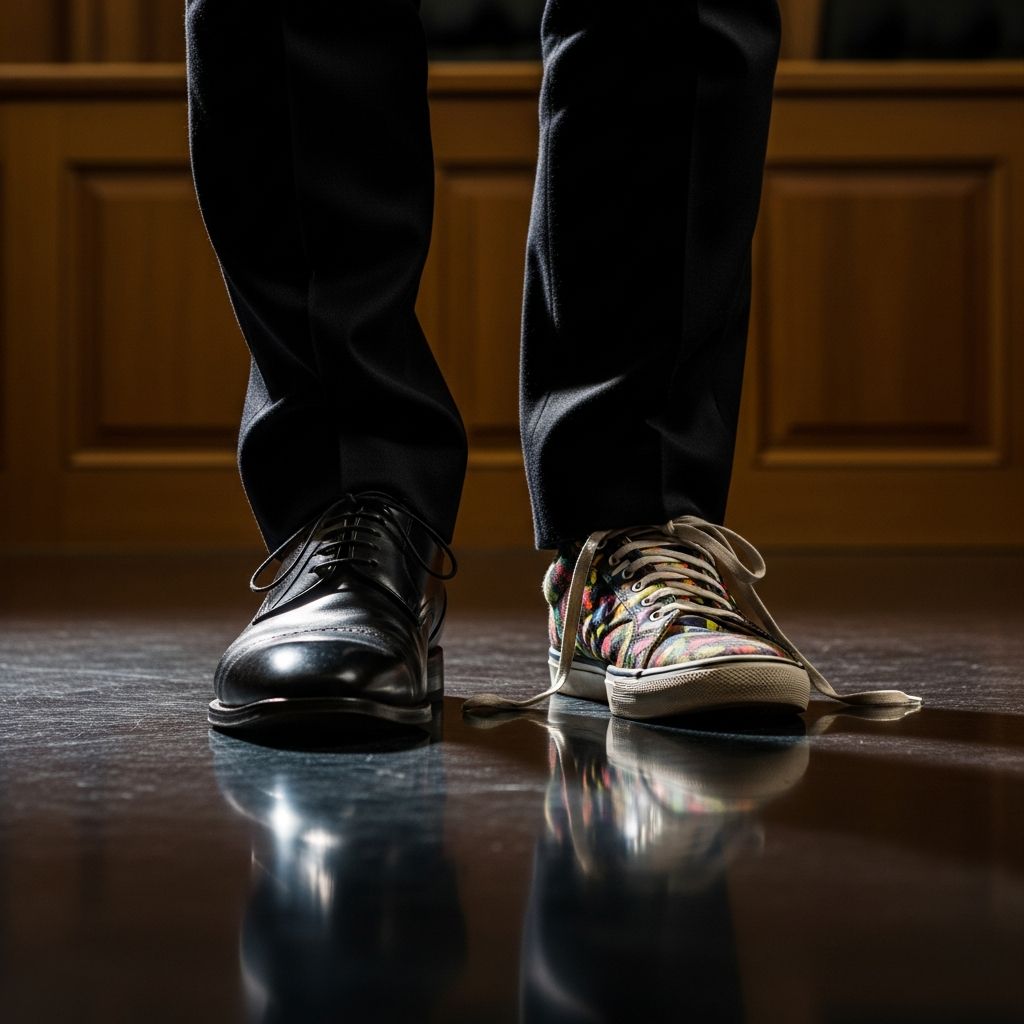
Appearing in court demands more than legal preparation; your clothing conveys respect, seriousness, and credibility to judges, juries, and attorneys. Inappropriate attire can prejudice perceptions before you speak, potentially influencing decisions. This comprehensive guide explores common wardrobe errors, their implications, and strategies for professional presentation, drawing from legal expert insights and courtroom observations.
Why Clothing Choices Matter in Legal Settings
Your outfit serves as your first nonverbal statement in court. Judges and juries form snap judgments based on appearance, associating neat, conservative clothing with responsibility and disrespect with casual or provocative styles. Studies and legal anecdotes confirm that professional attire correlates with favorable biases; for instance, blue hues often evoke trust in jury trials. Conversely, sloppy or flashy garments signal disregard for proceedings, risking contempt charges or denied entry.
Courtrooms uphold traditions rooted in respect for authority. Hats, once symbols of status, are removed to defer to judicial power—a rule persisting today. Nonverbal cues like posture amplify clothing’s impact; slouching in revealing pants undermines even strong arguments. Attorneys note that distractions from footwear or graphics divert focus from merits, harming cases.
Footwear Faux Pas to Steer Clear Of
Footwear often escapes scrutiny until it causes issues. Open-toed sandals or flip-flops expose feet, deemed unprofessional and distracting by most courts. As recently as 2014, defendants faced ejection for such choices, facing delays or stern warnings. Even if permitted, noisy slapping soles disrupt decorum.
- Flip-flops and beach sandals: Universally banned; judges view them as vacation wear, not suitable for serious matters.
- Comfy but casual slides: Avoid anything without full coverage; opt for closed-toe loafers or flats.
- Even attorneys falter: One lawyer’s gray Crocs with a suit drew ridicule, highlighting footwear’s role in reputation.
Choose polished, quiet shoes: leather oxfords for men, modest pumps for women. They signal preparedness without drawing eyes downward.
Upper Body Blunders: Tops and Shirts
Tops set the tone for torso presentation. Tank tops expose too much, inviting immediate removal orders and lectures on propriety. They’re life-general no-gos, especially where modesty reigns.
| Problematic Top | Why Avoid | Professional Swap |
|---|---|---|
| Tank tops or sleeveless | Revealing; signals casualness | Button-up collared shirt |
| Graphic tees/mugshot prints | Offensive or provocative | Plain polo or blouse |
| Pajama tops | Immature; lacks gravity | Dress shirt with tie/jacket |
Mugshot shirts or drug-themed graphics scream defiance, as in a Florida case where cocaine imagery doomed impressions. Pajamas imply lethargy toward justice. Collared shirts, even budget ones, elevate status instantly. For women, avoid low-cut blouses; pair with cardigans for modesty.
Legwear Mistakes That Undermine Credibility
Lower body choices affect mobility and perception. Shorts are absolute prohibitions, guaranteeing hallway exile. Yoga pants, leggings, or saggy jeans appear revealing or unkempt, barring entry.
- Shorts: No court tolerates them; they evoke beach days, not accountability.
- Leggings/yoga wear: Too informal; choose structured trousers.
- Holey or stained jeans: Ripped denim suggests neglect; iron dress pants instead.
Dark inmate-like all-black outfits trigger negative associations, per cultural references like Johnny Cash’s prison persona. Opt for slacks in neutral tones.
Accessories and Outerwear Red Flags
Accessories amplify or sabotage ensembles. Hats demand removal, risking contempt if refused; beanies flatten hair unflatteringly. Loud ties dazzle distractingly, alienating jurors.
Jewelry with drug motifs or oversized pieces shouts irresponsibility. Crack jackets or slogan hoodies broadcast guilt preemptively. Women: Skip flashy heels or short skirts; tights add polish without allure.
General Hygiene and Condition Oversights
Beyond items, maintenance matters. Wrinkled, stained, or torn clothes paint you as disorganized. Night-out remnants or un-ironed outfits imply poor judgment. Pre-court routine: Wash, press, inspect.
Cleanliness extends to grooming—neat hair, minimal cologne. Posture and eye contact reinforce attire’s message.
Gender-Neutral Professional Alternatives
Succeed with conservative palettes: suits, dress shirts, slacks/skirts. Men: Tie optional but recommended. Women: Blazer over blouse, knee-length hems. Blue aids jury appeal. Budget tip: Thrift collared basics.
Real Courtroom Anecdotes and Lessons
Stories abound: Drug dealers in thematic jackets, attorneys in Crocs, litigants in pajamas—all regretted. These underscore first impressions’ permanence. Prosecutors recall sloppy arraignments as character evidence.
Frequently Asked Questions (FAQs)
What if my only options are casual clothes?
Prioritize collared shirts and pants over graphics; borrow if needed. Walmart polos work.
Are there court-specific dress codes?
Check local rules; most ban hats, shorts, sandals universally.
Does color matter for juries?
Blue conveys trustworthiness; avoid stark black.
What about religious or medical attire exceptions?
Inform bailiff in advance; explain respectfully, e.g., foot issues for specific shoes.
Can women wear pants?
Yes, dress pants are standard; rare judge preferences exist but professionalism trumps.
Final Thoughts on Courtroom Readiness
Dressing appropriately respects the court and bolsters your narrative. Invest time in polished looks to focus attention on facts, not fashion fails. Preparation extends to attire—treat it as case strategy.
References
- What NOT to Wear to Court — Johns, Flaherty & Collins, SC. Accessed 2026. https://www.johnsflaherty.com/blog/what-not-to-wear-to-court
- TEN FASHION DONT’S FOR YOUR FIRST DAY IN COURT — BRCK Defense. Accessed 2026. https://brckdefense.com/blog/atascosa-frio-wilson-county-defense/ten-fashion-donts-for-your-first-day-in-court/
- The Do’s and Don’ts of Court Room Dress Codes — Joe Irby Law Firm. 2019-04. http://www.joeirbylaw.com/blog/2019/april/the-do-s-and-don-ts-of-court-room-dress-codes/index.html
- What Not to Wear to Court | Lawyers Without Billboards – Ep 15 — YouTube (Shewmaker & Lewis). Accessed 2026. https://www.youtube.com/watch?v=AXVxo_ZhL0Y
- What To Wear & What Not To Do If You’re Heading To Court — Witt Legal. Accessed 2026. https://wittlegal.com/blog/heading-to-court-here-are-some-tips-for-what-to-wear-and-some-tips-on-what-not-to-do/
Similar Articles








Read full bio of medha deb




