
Courtroom Attire: Boots, Decorum and Legal Norms
Exploring the balance between cultural footwear like cowboy boots and maintaining professional standards in courtrooms across the U.S.
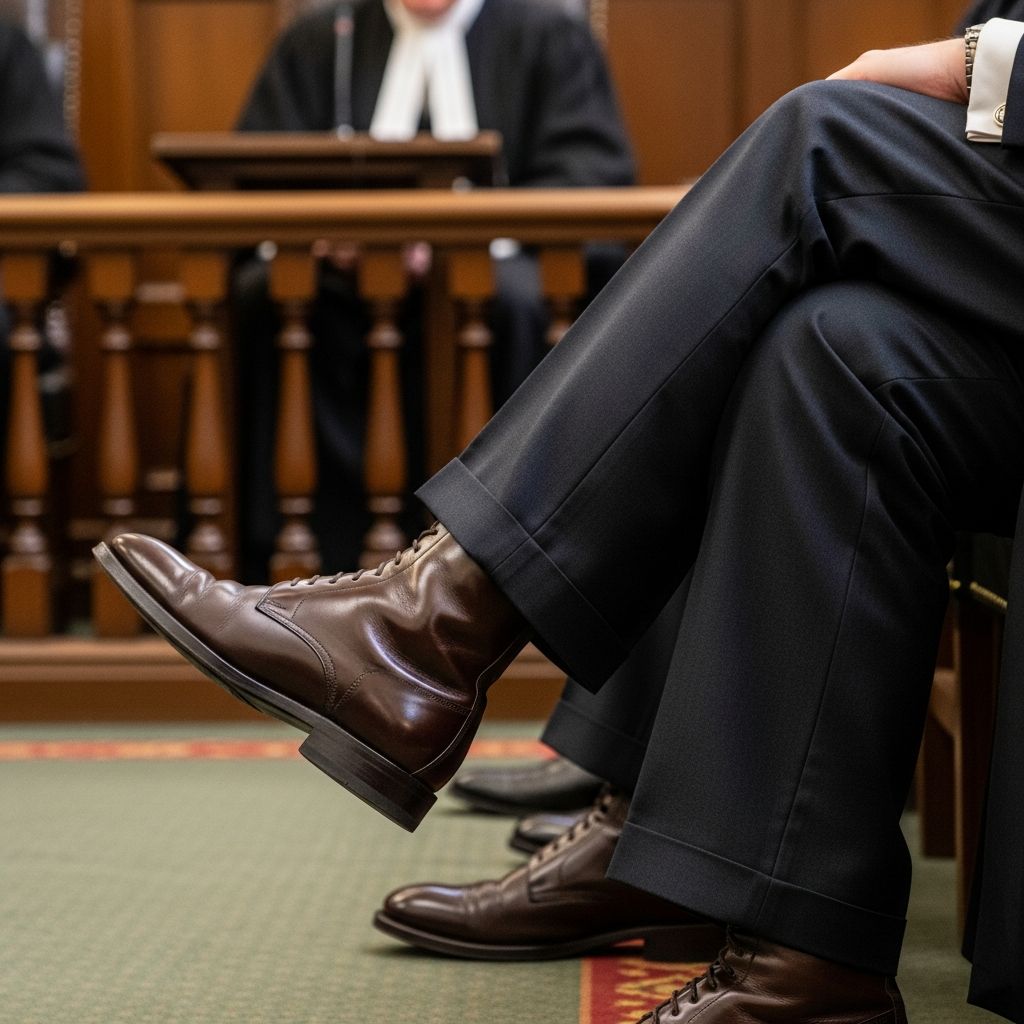
The courtroom is a place of solemnity where respect for the law and judicial process is paramount. Attire plays a crucial role in signaling this respect, yet what constitutes appropriate clothing can vary widely by jurisdiction, judge, and cultural context. In regions like Texas, where cowboy boots are more than footwear—they’re a symbol of heritage—the question arises: should courts enforce strict bans on such items, or allow cultural expression within bounds of professionalism? This article examines the principles behind courtroom dress codes, real-world examples of enforcement and reversal, and actionable guidance for anyone stepping into court.
The Importance of Dress in Judicial Settings
Clothing in court is not merely superficial; it influences perceptions of credibility and seriousness. Judges, jurors, and court staff form initial impressions based on appearance, which can subtly affect case outcomes. Studies and legal experts emphasize that professional attire helps maintain focus on legal merits rather than distractions.
At its core, dress codes aim to uphold decorum—the dignified atmosphere essential for justice administration. Federal and state courts often lack uniform rules, leaving discretion to individual judges. This flexibility accommodates local norms but can lead to inconsistencies, such as debates over boots in Western states.
- Dress signals respect for the institution and participants.
- It minimizes distractions, ensuring arguments receive undivided attention.
- Cultural items like boots test the balance between tradition and uniformity.
Judicial Authority Over Courtroom Appearance
Judges possess inherent authority to regulate courtroom conduct, including attire, under their contempt powers. This stems from the need to preserve order and impartiality. For instance, U.S. courts have upheld judges’ rights to enforce reasonable dress requirements, provided they do not discriminate or infringe constitutional rights.
In practice, this means a judge can mandate suits for attorneys or closed-toe shoes for witnesses. Violations might result in warnings, delays, or contempt charges. However, reasonableness is key—arbitrary bans unrelated to decorum could face challenges.
| Aspect | Judicial Discretion | Examples |
|---|---|---|
| Attorneys | High: Suits, ties often required | Tie mandates in federal courts |
| Litigants/Witnesses | Moderate: Business casual common | No shorts or flip-flops |
| Cultural Items | Variable: Context-dependent | Boots allowed in some Texas courts |
Cowboy Boots: A Texas Courtroom Controversy
In Texas, cowboy boots embody ranching heritage and daily life. Yet, some judges have viewed them as too casual for court, sparking debates. A notable case involved Municipal Judge Kevin Madison in Lakeway, who in 2010 formalized a dress code banning jeans, shorts, and cowboy boots to promote decorum. Male attorneys needed coats and ties; women, slacks or skirted outfits with hosiery.
The policy drew criticism from lawyers like George Lobb, who called it absurd and considered legal action. Madison, a self-described Texan and western rider, noted no prior complaints or contempt issues in ten years. Responding to feedback, he lifted the boot ban effective September 18, 2010, affirming: “Since there has never been a problem with boots… I have reversed the cowboy boot ban.” This reversal highlighted judicial responsiveness.
Such incidents illustrate how local culture influences policy. In rural Texas counties, boots may be standard neutral attire, expected even by jurors. Banning them could alienate locals, while permitting polished pairs maintains professionalism.
General Guidelines for Courtroom Footwear
Footwear often receives specific scrutiny as the most visible casual element. Clean, closed-toe shoes project polish; open styles like sandals signal laxity.
- Recommended: Dress shoes, loafers, or well-maintained boots (polished, no spurs).
- Avoid: Sneakers, flip-flops, worn work boots, high/spiked heels.
- For women: Low-heel closed-toe; complement outfits.
- For men: Match pants; socks if needed should coordinate.
Exceptions exist for medical needs—custom insoles with professional boots have been accepted. Always prioritize shine and appropriateness.
Comprehensive Dress Code Recommendations
For Men
- Suit and tie (ideal).
- Dress slacks, button-down shirt, optional blazer.
- Khakis with collared polo (minimum in some courts).
- Clean-shaven or neat grooming; no unusual hair.
For Women
- Modest dress, skirt suit, or pantsuit.
- Blouse with jacket; avoid low-cut or tight fits.
- Hosiery with skirts; closed-toe heels.
- Minimal jewelry; cover tattoos/piercings.
Universal no-nos include hats (remove inside), offensive graphics, ripped clothes, athletic wear, or anything provocative. Dirty attire or strong scents can harm impressions.
Cultural and Regional Variations in U.S. Courts
Dress norms differ by region. Urban federal courts favor suits; rural state courts may tolerate boots or jeans if neat. Texas exemplifies this: Ardalan Law notes boots as integral in some counties, aligning with juror expectations.
In family or custody cases, conservative choices enhance parental fitness perceptions. Non-Texans in Texas courts should observe locals—boots might fit better than unfamiliar dress shoes.
Religious accommodations (e.g., headwear) are protected, but advance notice helps. Research your judge’s preferences via local bar associations or prior rulings.
Consequences of Inappropriate Attire
Minor infractions prompt requests to change; severe cases lead to case postponement or contempt. Judges focus on merits but note distractions. In one podcast, Texas attorneys discussed out-of-staters in boots facing scrutiny, underscoring adaptation.
To mitigate: Arrive early, consult counsel, pack alternatives. Business casual suffices most places—job interview standard.
Frequently Asked Questions
Can I wear cowboy boots to court in Texas?
Yes, in many courts, especially if polished and paired professionally. Some judges banned then lifted restrictions; check local rules.
What is the minimum attire for court?
Business casual: Collared shirt, dress pants/skirt, closed-toe shoes. No shorts, tanks, or sandals.
Do I need a suit?
Not always for litigants; attorneys often do. Suit best for credibility.
What if I have medical footwear needs?
Professional boots with insoles accepted; inform court if needed.
Are hats allowed in court?
No, remove before entering (religious exceptions possible).
Can clothing affect my case?
Indirectly, via impressions of respect and seriousness. Dress conservatively.
Practical Tips for Court Day Preparation
- Research judge/court via websites or attorneys.
- Iron clothes night before; polish shoes.
- Bring ID, papers; leave weapons/prohibited items home.
- Stand for judge; address as “Your Honor.”
- No gum, food, sunglasses inside.
These steps ensure smooth proceedings. In culturally distinct areas, blending tradition with professionalism—clean cowboy boots in Texas—respects both heritage and court dignity.
References
- Judge lifts courtroom ban on cowboy boots — The Journal Record / AP. 2010-09-22. https://journalrecord.com/2010/09/22/judge-lifts-courtroom-ban-on-cowboy-boots-law/
- What to Wear to Court: Dress Code, What to Bring & Tips — Brancato Law Firm. Accessed 2026. https://www.brancatolawfirm.com/blog/what-to-wear-to-court/
- What Not To Wear To Court — Crossroads Family Law. Accessed 2026. https://crossroadsfamilylaw.com/what-not-to-wear-to-court/
- Legal Fashion — FVF Law Firm. Accessed 2026. https://www.fvflawfirm.com/podcasts/legal-fashion/
- What to Wear to Court – Austin, Texas Edition — Ardalan Law Firm. Accessed 2026. https://ardalanfirm.com/blog/f/what-to-wear-to-court—austin-texas-edition
Similar Articles








Read full bio of medha deb




