The Psychology Behind First Impressions in Legal Settings
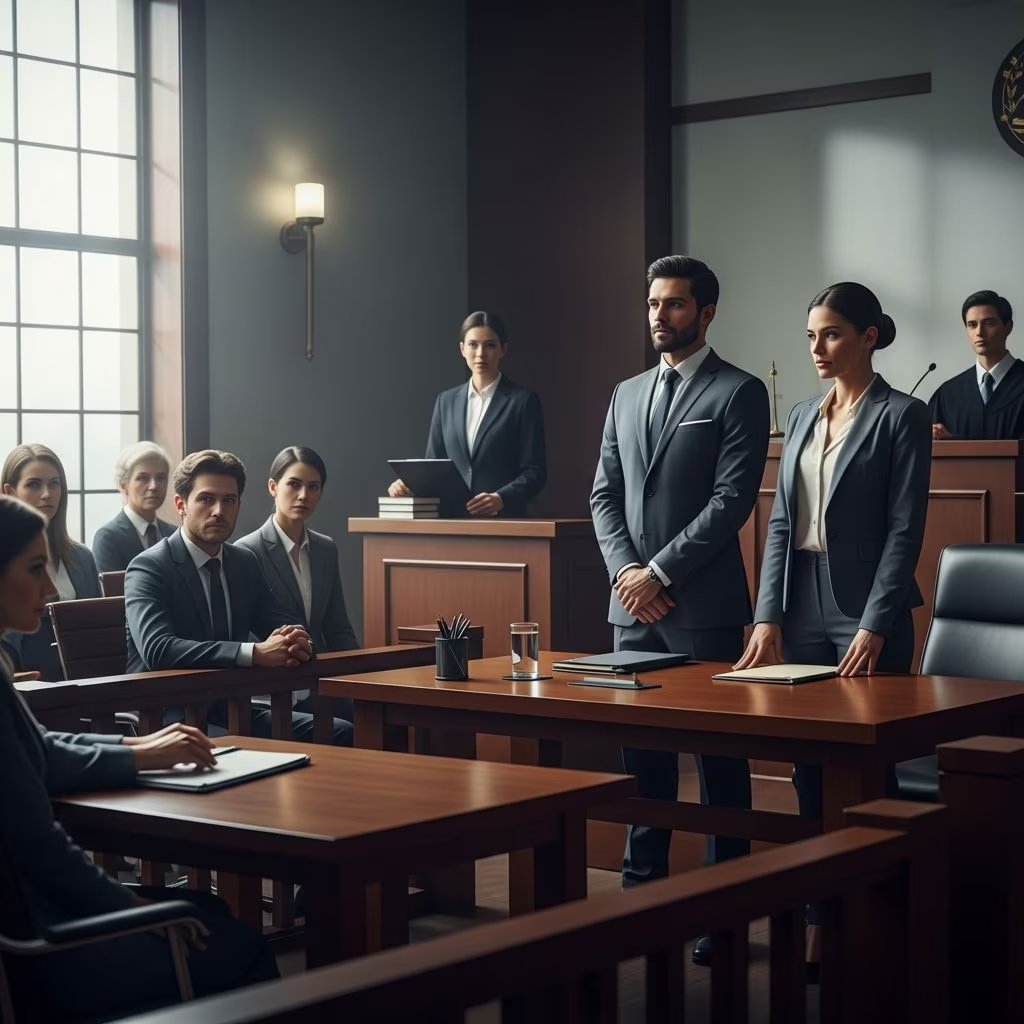
When stepping into a courtroom, the visual presentation of attorneys, defendants, witnesses, and parties involved creates an immediate psychological impact on jurors. Research demonstrates that people form judgments within seconds of encountering another person, a phenomenon particularly pronounced in high-stakes legal environments. Jurors, despite being instructed to focus exclusively on evidence and testimony, are fundamentally human and susceptible to the same cognitive biases and visual cues that influence perceptions in everyday life.
The courtroom is a formal setting where visual communication carries significant weight. Unlike casual social environments, the judiciary establishes expectations about appropriate presentation that reflect respect for the institution and the legal process. When individuals appear before a jury, their clothing, grooming, and overall presentation communicate messages about their character, credibility, and commitment to the proceedings, often before they speak a single word.
How Juror Perception Works: The Science of Visual Assessment
Jurors evaluate information presented to them through multiple channels simultaneously. While the explicit evidence—testimony, documents, and physical exhibits—forms the foundation of decision-making, implicit cues constantly inform juror reactions. Visual presentation serves as a secondary communication channel that either reinforces or undermines the primary message being conveyed.
The research indicates that juror perception is significantly affected by visual elements, including attire choices. When someone dresses poorly or inappropriately for court, they inadvertently communicate messages about indifference, disrespect, or unreliability. Conversely, appropriate courtroom dress demonstrates that an individual takes the proceedings seriously and respects the judicial process. This distinction becomes particularly important in criminal proceedings, where appearance can influence juror assessments of remorse, responsibility, and character.
Interestingly, studies have found that jurors are more likely to remember attorneys who dress unconventionally or counter to courtroom norms. However, this heightened recall does not necessarily translate to favorable case outcomes. Rather, non-conformist dress may distract jurors from substantive arguments or create negative associations with competency and professionalism.
Distinguishing Between Attorney Dress Codes and Client Presentation
The attire expectations for attorneys differ considerably from those for clients and witnesses, though both populations benefit from strategic consideration of their appearance. Attorneys typically wear formal business attire that signals authority, competence, and professional status. The conventional approach involves navy blue, gray, or charcoal suits paired with white or light-colored dress shirts.
For clients and witnesses, the strategy diverges from attorney dress codes. Legal consultants often recommend that defendants and witnesses dress in manner that creates emotional resonance with jurors rather than projecting authority. While attorneys should appear confident and commanding, clients sometimes benefit from appearing relatable and vulnerable—particularly in proceedings where seeking jury sympathy is strategically advantageous.
This distinction reflects a nuanced understanding of courtroom dynamics. Jurors may respond negatively if a defendant or witness appears overly polished, expensive, or distant. The goal is to present defendants and witnesses authentically while ensuring they communicate respect for the court through appropriate grooming and moderate, conservative clothing choices.
Strategic Considerations for Different Case Types
The optimal courtroom presentation varies depending on the nature of the case and the defendant’s background. Understanding these contextual factors allows legal teams to make deliberate choices that enhance their overall strategy.
White-Collar Crime Defendants
Individuals facing charges related to white-collar offenses require particularly careful wardrobe consideration. The danger lies in appearing too affluent or displaying obvious wealth through expensive clothing or accessories. Jurors comprised primarily of working-class individuals, retirees, and military personnel may develop negative reactions toward defendants who appear to flaunt resources or maintain an ostentatious lifestyle.
Professional consultants recommend that white-collar defendants invest in entry-level business suits rather than designer pieces. The suit should be well-fitted and properly pressed, but consciously chosen from mainstream retailers rather than luxury brands. This approach communicates professionalism and respectability while avoiding the perception of arrogance or privilege that might alienate jury members.
Violent Crime and Personal Injury Cases
Defendants facing charges involving violence or personal injury may benefit from presenting a somewhat softer appearance than pure business formality dictates. Some attorneys recommend that clients in these situations wear a sport coat with a long-sleeved shirt rather than a full suit with tie, particularly if formal business attire represents a significant departure from the defendant’s normal appearance.
This approach acknowledges that forcing someone into clothing far outside their typical socioeconomic norms can appear inauthentic or manipulative to observant jurors. The goal is to present the defendant respectfully and appropriately without creating an impression of artificiality that undermines credibility.
Civil and Family Law Proceedings
In civil disputes and family law matters, presentations should emphasize stability and seriousness. Both parties benefit from formal business attire that demonstrates their commitment to the legal process and their respect for the court’s authority. These cases often involve significant personal and financial stakes, making visual presentation of responsibility particularly important.
Specific Recommendations for Courtroom Attire
Legal professionals and trial consultants have developed evidence-based guidelines for courtroom presentation that serve as starting points for strategic decision-making:
Color Choices
- Optimal colors for attorneys: Navy blue, slate gray, and charcoal create associations with authority and professionalism. White and light blue shirts complement these jacket choices.
- Recommended colors for witnesses: Earth tones—including beige, olive, tan, and warm browns—create psychological associations with openness, approachability, and emotional accessibility.
- Colors to avoid: Bright, neon, or highly saturated colors distract jurors from testimony and may convey frivolousness or disrespect for the proceedings.
Fit and Quality
Clothing must fit properly and be well-maintained. Ill-fitting garments create impressions of carelessness or financial instability, neither of which benefits any party in legal proceedings. Suits should be pressed, shoes polished, and all elements of appearance should reflect attention to detail. The discomfort of wearing poorly fitting clothing often manifests in body language and confidence levels that jurors unconsciously perceive.
Accessories and Personal Details
The courtroom is not the appropriate venue for personal expression through accessories or jewelry. Professional guidelines recommend that male clients and witnesses wear no visible jewelry beyond a simple wedding band. Female participants should limit jewelry to conservative earrings and avoid ornate or dangling pieces that create visual distraction.
Visible tattoos should be covered when possible, and facial jewelry of any kind conveys informality inappropriate to courtroom settings. These restrictions may feel constraining to individuals accustomed to self-expression through appearance, but they reflect institutional norms that jurors have internalized regarding professional and respectful presentation.
Grooming Standards
Personal grooming carries disproportionate significance in courtroom environments. Regular haircuts, clean and neat styling, and appropriate facial hair maintenance all contribute to overall impression formation. Jurors may unconsciously interpret poor grooming as indifference to the case or disrespect for the judicial process.
Gender considerations apply to grooming expectations as well. Women should maintain neat hairstyles and moderate makeup, while men should present clean-shaven appearances or well-maintained facial hair. These standards reflect courtroom cultural norms rather than universal aesthetic values, but alignment with these expectations facilitates better jury reception.
The Role of Counsel in Guiding Appearance Decisions
Experienced attorneys serve as invaluable guides in making courtroom appearance decisions. They possess intimate knowledge of local court cultures, specific judge preferences, and community composition that informs optimal presentation strategies. Several days before court appearances, attorneys typically conduct dress rehearsals where clients can receive direct feedback about their chosen attire.
This collaborative process ensures that appearance decisions align with broader case strategy. Attorneys understand how visual presentation either reinforces or undermines their legal arguments, and they can identify potential pitfalls that clients might overlook. A suit that looks professional in a mirror may project the wrong message in a specific courtroom context, and attorneys can help navigate these nuances.
Contextual Variations Across Different Communities
Courtroom norms vary geographically and demographically. What constitutes appropriate dress in one jurisdiction may carry different implications in another. Urban courthouse cultures may tolerate slightly more variation in presentation styles than rural courtrooms. Community composition—including the socioeconomic status, age ranges, and professional backgrounds of typical jurors—influences what presentation strategies prove most effective.
Attorneys practicing in specific communities develop sophisticated understanding of these local variations. A trial consultant familiar with Southern California practice, for example, would recognize that certain luxury brands carry particular associations with juror populations, whereas the same brands might have no impact in other regions. This localized knowledge represents valuable strategic information that should inform appearance decisions.
Beyond the Courtroom Door: Broader Presentation Considerations
Strategic presentation extends beyond the moment of entering the courtroom. Individuals involved in legal proceedings should maintain appropriate appearance throughout the duration of their involvement with the case. Jurors frequently encounter participants outside formal courtroom settings—in hallways, parking areas, and surrounding buildings. Inappropriate behavior, disrespectful conduct, or inconsistent presentation outside the courtroom can undermine carefully constructed impressions made within it.
Furthermore, jurors often notice inconsistencies between courtroom presentation and everyday behavior. If a defendant maintains scrupulously formal appearance in court but presents radically different visual presentation elsewhere, perceptive jurors may question the authenticity of the courtroom presentation. This concern argues for selecting clothing that represents a realistic but formalized version of authentic self-presentation rather than a complete persona change.
Addressing Implicit Bias Through Appearance Strategy
While appearance primarily serves as a tool for conveying respect and professionalism, strategic presentation choices can also serve to counter implicit biases. Some legal scholars and consultants argue that defying conventional dress expectations can prompt jurors to question their own assumptions and biases. By presenting in unexpected ways, attorneys may encourage jurors to examine their implicit judgments about defendants or witnesses.
This counter-conventional strategy requires careful calibration. The goal is not to distract or alienate but rather to prompt critical reflection. Such approaches work best when employed deliberately as part of a comprehensive case strategy rather than through careless violation of courtroom norms.
Research Evidence on Attire Impact
Empirical research examining the relationship between attorney and defendant appearance and juror decision-making reveals complex findings. While a 1982 study concluded that jurors “don’t care very much about the color of a lawyer’s clothes,” more recent research indicates that visual presentation does influence juror perception and recall, even if it does not determinatively control outcomes.
Jurors demonstrate better ability to recall attorneys who dress unusually or distinctively, though this enhanced memory does not necessarily correlate with favorable case verdicts. The research suggests that appearance matters most when it creates sufficient distraction from substantive arguments or communicates messages about competency and credibility.
Frequently Asked Questions
Q: Does a defendant’s appearance actually influence jury verdicts?
A: While appearance alone does not determine verdicts, research demonstrates that juror perception is affected by visual cues including dress. Inappropriate appearance may distract jurors or create negative credibility assessments, potentially influencing case outcomes when evidence is close or ambiguous.
Q: Should defendants always wear suits to court?
A: Not necessarily. Attorneys should assess whether a suit represents authentic self-presentation for their client. Forcing someone into clothing far outside their normal appearance can appear manipulative to jurors. Professional guidance from trial counsel should inform specific decisions about whether full business attire or business casual presentation is optimal.
Q: What colors should witnesses wear to court?
A: Witnesses generally benefit from earth tones—beige, tan, olive, warm browns—which create psychological associations with openness and approachability. These colors differentiate witness presentation from attorney formality while maintaining appropriate courtroom respect.
Q: How far in advance should appearance decisions be made?
A: Ideally, appearance decisions should be finalized several days before court appearances, allowing time for dress rehearsals with counsel and adjustments if needed. This timeline prevents last-minute decisions made under stress and allows parties to become comfortable with their chosen attire.
Q: Can expensive accessories harm a defendant’s case?
A: Yes, particularly in cases involving white-collar crime or where jury composition includes working-class individuals. Luxury brands, expensive jewelry, and ostentatious accessories may create negative reactions by suggesting wealth or privilege that alienates jurors and undermines sympathy or credibility.
References
- Stop Worrying About What to Wear to Court: It Probably Doesn’t Matter — University of Florida Levin College of Law, Journal of Law and Public Policy. 2024. https://scholarship.law.ufl.edu/cgi/viewcontent.cgi?article=1565&context=jlpp
- How to Dress for Court: Advice from a Lawyer — Daniel Stark, Attorney. 2024. https://www.danielstark.com/blog/how-to-dress-for-court-advice-from-a-lawyer/
- Does your appearance affect the jury’s decision? — AVVO Legal Answers. 2024. https://www.avvo.com/legal-answers/does-your-appearance-affect-the-jury-s-decision–1774358.html
- Jury consultant: Dress can be a key to a courtroom win — Legal Examiner. 2024. https://www.legalexaminer.com/pmorgan/workplace/jury-consultant-dress-can-be-a-key-to-a-courtroom-win/
- Could your courtroom attire determine your fate with a jury? — Mauzy Law Firm. 2021. https://www.mauzylawfirm.com/blog/2021/04/could-your-courtroom-attire-determine-your-fate-with-a-jury/
- Costuming for the courtroom — Plaintiff Magazine. 2024. https://plaintiffmagazine.com/recent-issues/item/costuming-for-the-courtroom