
Correcting Inaccuracies in Official Police Documentation
Learn how to identify, challenge, and correct mistakes in police reports effectively.
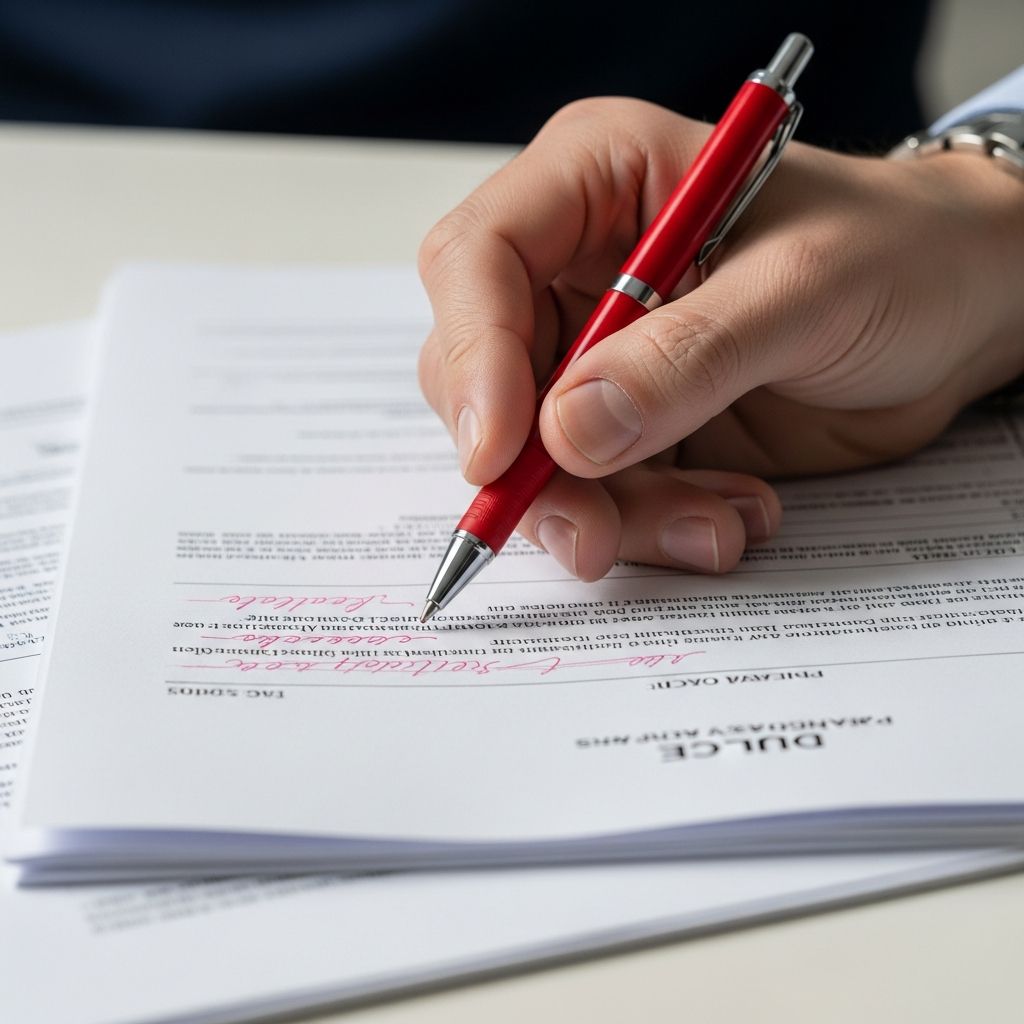
Understanding Police Report Inaccuracies and Your Rights
Police reports serve as critical documentation in criminal and civil proceedings, often influencing case outcomes, insurance decisions, and legal liability determinations. However, these official documents are not infallible. Officers may make transcription errors, misinterpret facts, or inadvertently omit crucial information. When you discover discrepancies between what actually occurred and what appears in an official police report, taking prompt action becomes essential. Understanding your rights and the procedures available to challenge inaccurate documentation can significantly impact how your case progresses through the legal system.
The consequences of uncorrected police report errors extend far beyond the initial incident. Insurance companies rely heavily on police documentation when making coverage and settlement decisions. Courts may view police reports as authoritative evidence unless contradicted by compelling alternative documentation. Attorneys use these reports as starting points for case investigation. Therefore, addressing errors early and systematically can protect your interests across multiple contexts.
Distinguishing Between Types of Errors in Police Documentation
Not all errors in police reports are created equal, and understanding the distinction between different categories of mistakes is crucial for determining how to address them. Police documentation typically contains two broad categories of inaccuracies: those involving objective facts and those involving subjective interpretations or conclusions.
Factual Inaccuracies: The Straightforward Corrections
Factual errors involve concrete, verifiable information that can be definitively proven correct or incorrect. These represent the most straightforward category of mistakes to address. Examples include incorrect names or name spellings, wrong dates or times, inaccurate vehicle identification numbers, incorrect license plate numbers, wrong insurance policy numbers, incorrect addresses, misidentified locations of incidents, and incorrect contact information. These errors typically occur through simple transcription mistakes, data entry errors, or incomplete information gathering at the scene.
Because factual errors are objective and easily verifiable through documentation, police departments generally prove more receptive to correcting them. You can typically resolve these issues by providing clear evidence of the correct information, such as your driver’s license, vehicle registration documents, insurance cards, or photographic evidence contradicting the report’s claims.
Interpretive and Judgment-Based Errors: The Complex Challenge
Judgment errors represent a more challenging category. These involve the reporting officer’s conclusions, opinions, or interpretations regarding how an incident occurred, who bears responsibility, the severity of injuries, or causal relationships between events. Examples include determinations of fault or negligence, characterizations of driver actions, assessments of visibility or weather conditions, conclusions about intentionality or state of mind, and interpretations of witness statements.
Police officers exercise discretion and professional judgment when documenting these elements. Consequently, they prove much more resistant to changing conclusions even when you present contradictory evidence. Officers may view requests to alter judgment-based conclusions as questioning their professional competence or authority. Successfully challenging these errors typically requires substantially more evidence, often including expert testimony, accident reconstruction analysis, or conflicting witness statements that directly contradict the officer’s written conclusions.
Initial Steps: Obtaining and Reviewing Official Documentation
Before you can address any errors, you must first obtain an official copy of the complete police report. This foundational step provides you with the precise documentation that will become part of official records and potentially influence future proceedings.
Acquiring Certified Copies of the Report
Contact the law enforcement agency that filed the report directly through their records or administrative division. Most departments maintain dedicated records divisions that handle report distribution. Request a certified copy rather than an informal photocopy, as certified copies carry greater legal weight and are necessary for official proceedings. Ask specifically for all supplemental pages, officer narratives, witness statements, and any supporting documentation attached to the original report.
In some jurisdictions, specialized databases may contain accident or incident reports. For example, in Texas, traffic accident reports are often accessible through the CRIS system (Crash Records Information System). Check whether your state maintains similar centralized reporting systems that might provide easier access to documentation.
When you receive the report, ensure it includes the reporting officer’s name and badge number, the filing date and case or report number, and any supplemental pages or attachments. Complete documentation is essential for effective review and subsequent correction requests.
Systematic Documentation of Discrepancies
Once you possess the official report, conduct a thorough line-by-line review. Create a detailed comparison document identifying each discrepancy between what the report states and what actually occurred. Organize your findings by category: personal or vehicle information errors, temporal inaccuracies (dates, times, sequences of events), location or directional errors, missing information or witness statements, mischaracterizations of events or actions, and injury descriptions or medical information.
For each identified error, note whether it qualifies as a factual mistake (objectively verifiable and easily correctable) or a judgment-based error (subjective and requiring substantial evidence to challenge). This categorization will inform your correction strategy. Factual errors should be prioritized in your initial communication with the police department, as these represent your strongest opportunities for successful amendments.
Building Your Evidentiary Foundation
Successfully challenging police report errors requires substantiating evidence. The stronger your documentation supporting the correct version of events, the more seriously police departments will consider your correction requests.
Essential Documentation to Gather
Compile multiple forms of evidence supporting your corrections:
- Photographic and video evidence: Scene photographs, dash camera footage, security camera recordings, or surveillance video from nearby businesses can provide objective documentation contradicting report inaccuracies.
- Witness affidavits and statements: Written statements from individuals who observed the incident, particularly if they directly contradict claims in the police report, carry significant weight. Affidavits—sworn statements made before a notary—provide even greater credibility than casual written accounts.
- Medical and injury documentation: Hospital records, emergency room reports, physician evaluations, and medical imaging studies establish timelines and severity of injuries, contradicting any inaccuracies regarding physical harm.
- Official identification and registration documents: Driver’s licenses, vehicle registrations, insurance documents, and other official records definitively correct personal information and vehicle detail errors.
- Repair estimates and invoices: Documentation of vehicle damage repair provides objective evidence of impact force and location, potentially contradicting fault determinations or characterizations in the police report.
- Correspondence and communications: Text messages, emails, or other communications made around the time of the incident may provide context supporting your version of events.
Initiating Contact with Law Enforcement
When you identify significant errors, timely communication with the reporting officer or police department becomes critical. How you approach this interaction can substantially influence whether the department proves willing to consider your corrections.
Professional Communication Strategy
Contact the reporting officer or their supervisor through the police department’s non-emergency number. Maintain a respectful, professional tone throughout all communications. Present corrections factually without accusatory language or suggestions that the officer acted with intentional malice or incompetence. Police officers respond more favorably to requests framed as assistance in ensuring accurate documentation rather than accusations of mistakes or negligence.
Begin by discussing factual errors, which officers can address relatively easily. Provide clear documentation supporting each factual correction—a driver’s license addressing a name misspelling, a vehicle registration correcting a vehicle identification number, photographs demonstrating a location error. These straightforward corrections establish your credibility and demonstrate that you possess legitimate evidence supporting your claims.
Acknowledge that judgment-based conclusions may prove more difficult to address initially, but indicate that you have substantial evidence contradicting those conclusions. Remain patient; police officers are typically busy and may require multiple contacts before responding to your requests. Document all communications, including the date, time, officer or person contacted, and substance of the conversation.
Formal Correction Procedures and Amendment Requests
If direct contact with the reporting officer proves unsuccessful or if the officer proves unwilling to amend the original report, formal correction procedures become necessary.
Supplemental Statement Submissions
When police departments cannot or will not alter the original report, they typically permit supplemental statements—additional documentation attached to the original report and becoming part of the official record. Prepare a clear, factual written statement detailing the specific errors in the original report and providing the correct information. Attach all supporting evidence, including photographs, witness statements, medical documentation, and identification records.
Submit this supplemental package through the police department’s records division. Request written acknowledgment that your statement has been received and attached to the official report. Obtain copies of all submissions for your files. This supplemental approach creates a complete documentary record showing that you identified and challenged inaccuracies through official channels.
Working with Law Enforcement Records Divisions
Most police departments maintain specific procedures for report amendments and supplemental filings. Contact the records division directly to learn the formal process applicable to your jurisdiction. Some departments may provide specific forms for amendment requests or supplemental submissions. Others may require written requests submitted to the records supervisor. Understanding and following the correct procedures increases the likelihood that your corrections become part of the official record.
Notifying Insurance Carriers and Other Stakeholders
Because insurance companies and other parties rely on police reports when making decisions about your case, proactively notifying them of errors you have identified or corrected becomes important.
Share your corrected version of events and any supplemental statements with your insurance company. Send copies to the other party’s insurance company if applicable. Document that you provided this corrected information, as doing so prevents insurance companies from claiming later that they were unaware of discrepancies or alternative evidence. This documentation also demonstrates your good faith effort to ensure accurate information influences coverage and settlement decisions.
Escalation Procedures When Initial Efforts Prove Unsuccessful
If the police department refuses to acknowledge errors or incorporate your corrections into the official record, escalation becomes necessary.
Administrative and Legal Remedies
Begin by filing a formal appeal with the police department’s records division or administrative command structure. Document the specific errors you identified, the evidence you provided supporting corrections, and the department’s refusal to make amendments or attach supplemental statements. Address your appeal to the police chief or commanding officer, explaining why the errors in the report are significant and why official correction serves the interests of justice and accuracy.
If administrative appeals prove unsuccessful, legal intervention becomes necessary. Work with an attorney experienced in challenging police documentation. Your attorney can formally challenge the report in court proceedings, introducing stronger evidence such as accident reconstruction expert testimony, video evidence, or conflicting witness testimony. Courts often prove more receptive to evidentiary challenges presented through formal legal channels than to administrative correction requests.
Frequently Asked Questions
Q: How quickly should I attempt to correct errors in a police report?
A: Address errors as soon as possible after discovering them. Time significantly affects your success rate, as police departments prove more responsive to prompt requests, and your memory of details remains fresher, allowing you to provide more compelling documentation. Delays may suggest the errors are not genuinely problematic or that you were not seriously injured or harmed.
Q: Can I simply request verbal corrections over the phone?
A: Police departments typically require written requests for report amendments, accompanied by supporting documentation. Written requests create official records demonstrating that you attempted to correct inaccuracies through proper channels. Verbal requests alone prove insufficient and may not result in official amendments or supplemental documentation.
Q: What if the police department refuses to make any corrections?
A: If direct requests prove unsuccessful, you can submit supplemental statements that become part of the official record. You can also escalate to the police chief or filing complaints with internal affairs divisions. Ultimately, if errors significantly impact your case, you may need to challenge the report through formal legal proceedings with attorney representation.
Q: Can I correct an error if the police report was filed years ago?
A: Yes, you can typically request corrections to older reports, though departments may require additional documentation to verify claimed errors when significant time has passed. The more recent your correction request, the better, but do not assume that age makes correction impossible. Work with an attorney if corrections to historical reports are necessary for ongoing legal proceedings.
Q: Does correcting one part of a police report make other parts subject to challenge?
A: Not automatically. However, successful corrections to factual elements may establish your credibility regarding other claimed errors. If you successfully demonstrate that the officer made verifiable mistakes in basic information, courts and insurance companies may prove more receptive to your challenges regarding other discrepancies.
Q: Should I hire an attorney to handle police report corrections?
A: For simple factual errors, you may handle corrections independently. However, if the report significantly impacts liability determinations, insurance coverage, or criminal charges, working with an attorney substantially increases your success rate. Attorneys understand jurisdiction-specific procedures, know how to present evidence compellingly, and can escalate matters through legal channels if administrative requests prove unsuccessful.
References
- What to Do When Your Police Report Is Wrong — The Texas Bulldog Law Firm. 2024. https://texasbulldoglaw.com/what-to-do-when-your-police-report-is-wrong/
- What Do I Do if There are Errors on My Car Accident Police Report? — Galloway Jefcoat Law Firm. 2024. https://www.gallowayjefcoat.com/faqs/what-do-i-do-if-there-are-errors-on-my-car-accident-police-report/
- What If I Disagree With the Car Accident Police Report? — Nolo Legal Encyclopedia. 2024. https://www.nolo.com/legal-encyclopedia/i-disagree-the-police-report-written-after-car-accident-what-can-i.html
- How to Handle an Incorrect Police Accident Report — CKF Law. 2024. https://www.ckflaw.com/blog/what-to-do-if-my-police-accident-report-is-incorrect/
- What to Do When a Car Accident Police Report Is Wrong — Avrek Law Group. 2024. https://www.avrek.com/blog/car-accidents-what-if-the-police-report-is-wrong/
- What if the Police Report is Wrong? — Kitchel Injury Law. 2024. https://www.kitchellaw.com/faqs/what-if-the-police-report-is-wrong/
Similar Articles








Read full bio of medha deb




