
Consequences of Refusing a Breathalyzer Test
Understand the severe legal penalties for refusing a breathalyzer, from license suspensions to court evidence across U.S. states.
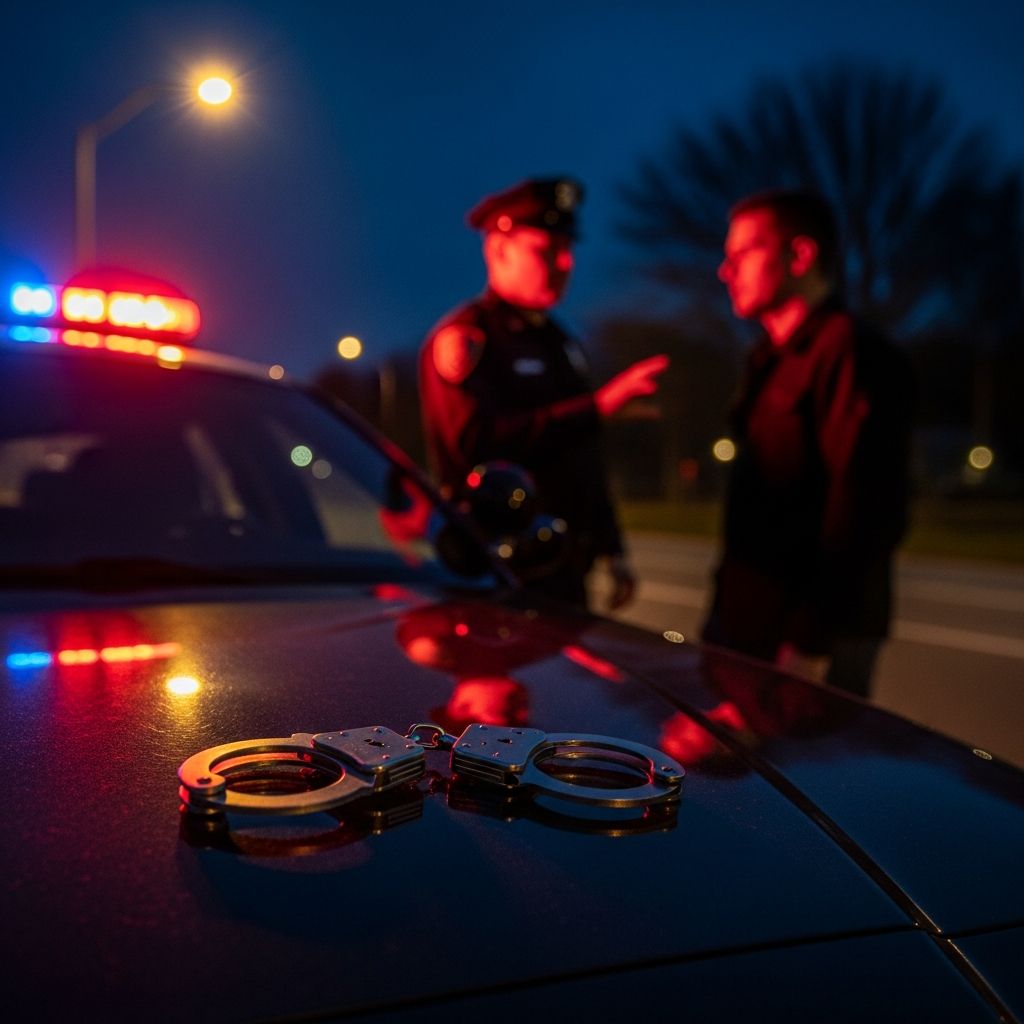
Refusing a breathalyzer test during a traffic stop can lead to immediate and long-term legal repercussions, primarily through implied consent laws that all U.S. states enforce. These laws require drivers to agree to chemical testing upon license issuance, making refusal a separate violation from any DUI charge.
Understanding Implied Consent Laws Nationwide
Every state operates under implied consent statutes, meaning obtaining a driver’s license implies agreement to submit to breath, blood, or urine tests if suspected of driving under the influence. Refusal activates administrative penalties independent of criminal DUI proceedings. For instance, Pennsylvania law under 75 Pa. Cons. Stat. § 1547 mandates testing, with refusal triggering license suspension regardless of guilt. This framework prioritizes road safety by deterring impaired driving and ensuring evidence collection.
These laws stem from public policy to reduce alcohol-related accidents. Even sober drivers face penalties for refusal, as the act signals potential impairment. Officers typically warn of consequences before requesting the test, but compliance remains voluntary—though inadvisable without counsel.
Immediate Administrative Penalties
The most direct outcome of refusal is an automatic driver’s license suspension, enforced by the Department of Motor Vehicles (DMV) or equivalent agency. Suspensions occur swiftly, often before court dates.
- First refusal: Typically 6-12 months suspension, plus reinstatement fees up to $500-$2,000.
- Repeat refusals: Extended periods, such as 18 months or more, with higher fines.
- Commercial drivers: Harsier penalties, including CDL revocation, impacting livelihoods.
In Pennsylvania, a first offense yields a 12-month suspension and $500 fee; second offenses extend to 18 months with $1,000-$2,000 fees. These apply even if DUI charges are dropped, emphasizing the standalone nature of refusal penalties.
State-Specific Penalty Variations
While patterns exist, penalties differ by jurisdiction. The table below compares key states based on current statutes:
| State | First Offense Suspension | Fine | Repeat Offense Notes |
|---|---|---|---|
| Pennsylvania | 12 months | Up to $500 reinstatement | 18 months + up to $2,000 |
| New York | 1 year | $500 | Traffic infraction; no conditional license if upheld |
| General U.S. | 6-12 months | Varies | Longer for priors; possible jail |
New York’s refusal counts as a traffic infraction with a one-year suspension, persisting post-acquittal. Kentucky adds doubled minimum jail for convicted refusals. Always check local DMV for updates, as laws evolve.
Criminal Ramifications in DUI Cases
Refusal does not prevent DUI charges; prosecutors build cases on observations like erratic driving or field sobriety failures. Crucially, refusal evidence reaches juries as “consciousness of guilt,” implying awareness of impairment.
In Pennsylvania, first-time DUI with refusal mandates 72 hours jail minimum, $1,000-$5,000 fines, plus safety courses and restrictions. Second offenses escalate to 90 days jail and $1,500 fines; third to one year and $2,500. These compound with refusal suspensions.
Refusal vs. Failing the Test: A Strategic Comparison
Drivers often debate: refuse and face certain penalties, or test and risk BAC over 0.08%? Failing provides concrete evidence strengthening DUI cases, potentially leading to shorter suspensions than refusal in some states. Refusal, however, guarantees administrative action and evidentiary harm.
- Take and pass: No refusal penalty; possible dismissal if under limit.
- Take and fail: DUI charges + standard penalties (e.g., PA first DUI: probation, $300 fine, safety course).
- Refuse: Suspension + DUI prosecution with adverse inference.
Legal experts note refusal often worsens outcomes, especially for novices, but field sobriety refusal might preserve options pre-arrest. Consult attorneys immediately post-incident.
Challenging Refusal Penalties
Post-refusal, request a DMV hearing within timelines (e.g., 10 days in many states) to contest suspension. Grounds include improper warnings, medical inability, or officer errors. Success restores licenses temporarily, but DUI trials proceed separately.
Even if acquitted, refusal suspensions stand. Skilled defense can mitigate by suppressing refusal evidence if Miranda rights were violated or tests faulty. Pennsylvania lawyers often challenge via DL-26 form implications.
Impact on Professional and Commercial Drivers
CDL holders face federal overlays via FMCSA rules, with refusals triggering one-year disqualifications minimum, up to lifetime for repeats. This devastates careers in trucking or transport. Personal licenses compound issues; reinstatement demands proof of sobriety via interlocks or classes.
Long-Term Repercussions
Beyond immediate penalties, refusals inflate insurance premiums 50-100% for years, hinder job prospects, and count as priors escalating future penalties. Ignition interlocks become mandatory in many cases, restricting vehicle use until compliance.
Cumulative effects burden finances: fees, lost wages, legal costs. A single refusal can cost $10,000+ in totality.
Best Practices During Traffic Stops
Stay polite, avoid admissions, and invoke silence rights. Do not physically resist tests. Post-arrest, demand counsel before deciding. Field tests are voluntary pre-arrest; politely decline if possible.
Document details: officer demeanor, stop basis, test requests. This aids defense.
Frequently Asked Questions
Can I lose my license without a DUI conviction?
Yes, refusal triggers automatic suspension independent of DUI outcomes.
Is refusal better than failing the test?
Rarely; it adds penalties and court evidence without eliminating DUI risk.
How long do suspensions last?
6-18 months typically, longer for repeats or CDLs.
Can I get a hardship license?
Possible in some states post-hearing, but refusal often disqualifies.
Does refusal mean automatic DUI guilt?
No, but it infers consciousness of guilt for juries.
Seeking Legal Counsel
Immediate attorney consultation is critical. Defenses target procedural flaws, weak probable cause, or test inaccuracies. Experienced DUI lawyers navigate hearings, suppress evidence, and negotiate reductions, potentially averting catastrophe.
Proactive steps like alcohol education pre-hearing strengthen cases. Never navigate alone—outcomes hinge on expertise.
References
- What Happens if You Refuse a Breathalyzer Test in Pennsylvania? — Philadelphia Criminal Lawyers. Accessed 2026. https://www.philadelphiacriminallawyers.com/what-happens-if-you-refuse-breathalyzer-test-pennsylvania/
- What is the Penalty for Refusing Breathalyzer Test in Pennsylvania? — David McKenzie Law Firm. Accessed 2026. https://www.davidmckenzielawfirm.com/faqs/what-is-the-penalty-for-refusing-breathalyzer-test-in-pennsylvania
- Can You Refuse a Breathalyzer Test? Know Your Rights — Best Law HB. Accessed 2026. https://www.bestlawhb.com/can-you-refuse-a-breathalyzer-test-know-your-rights/
- Should You Refuse a Breathalyzer Test in New York? — Jeffrey Lichtman. Accessed 2026. https://jeffreylichtman.com/blog/refuse-breathalyzer-test-new-york/
- What Happens If You Refuse a Breathalyzer Test in Pennsylvania? — Your Erie Lawyers. Accessed 2026. https://www.yourerielawyers.com/blog/what-happens-if-you-refuse-a-breathalyzer-test-in-pennsylvania/
- Why You Should Always Refuse the Breathalyzer and Standardized Field Sobriety Tests — Larry Forman Law. Accessed 2026. https://larryformanlaw.com/why-you-should-always-refuse-the-breathalyzer-and-the-standardized-field-sobriety-tests/
- Refusing DUI Testing in PA — Zuckerman Firm. Accessed 2026. https://www.zuckermanfirm.com/dui-refusal
Similar Articles








Read full bio of Sneha Tete




