
Consequences of Overstaying Your U.S. Visa
Understand the severe penalties, re-entry bans, and potential paths to legal status after overstaying a U.S. visa.
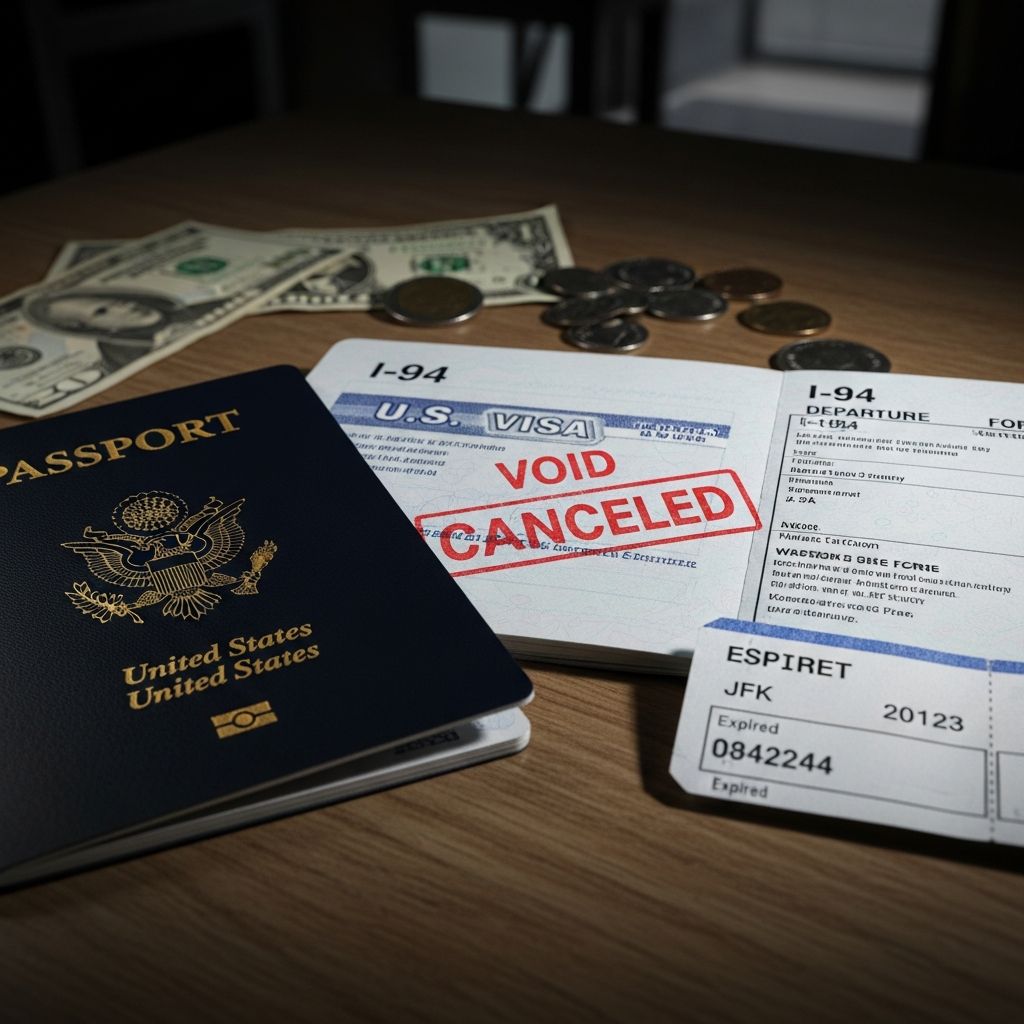
Overstaying a U.S. visa means remaining in the country beyond the authorized period specified on your Form I-94 Arrival/Departure Record. This violation initiates a cascade of immigration penalties under U.S. law, affecting millions annually. Even a single day past the expiration date can void your visa and complicate future travel or residency plans.
Defining Visa Overstay and Unlawful Presence
A visa overstay occurs when a nonimmigrant visa holder stays past the ‘admit until’ date on their I-94 form, managed by the Department of Homeland Security (DHS). This differs slightly from unlawful presence, which accrues after the authorized stay ends unless protected by statuses like pending asylum or adjustment applications.
Under the Immigration and Nationality Act (INA) Section 212(a)(9)(B), unlawful presence is calculated in consecutive days. Short overstays may not trigger bars if under 180 days, but longer periods impose severe restrictions. For instance, certain students or workers might avoid accrual if a status violation is overlooked, but denials of extensions start the clock.
Immediate Penalties Upon Overstay
The moment your authorized stay expires, your nonimmigrant visa is automatically canceled under INA Section 222(g). This renders it void for re-entry, forcing future applications at a U.S. consulate in your home country, barring extraordinary circumstances.
- Loss of all immigration benefits, such as employment authorization or pending extensions.
- Ineligibility for the Visa Waiver Program (VWP), even for brief overstays.
- Potential expedited removal, bypassing immigration court hearings.
These effects ripple outward, making status changes—like switching visas or extending stays—far more challenging.
Re-Entry Bans: The Core Immigration Penalty
The most daunting consequences are the re-entry bars triggered upon departure from the U.S. These apply based on consecutive unlawful presence:
| Overstay Duration | Re-Entry Bar | Legal Basis |
|---|---|---|
| More than 180 days but less than 1 year | 3 years | INA § 212(a)(9)(B)(i)(I) |
| 1 year or more | 10 years | INA § 212(a)(9)(B)(i)(II) |
| Aggregate >1 year + improper entry attempt | Permanent (waiver possible) | INA § 212(a)(9)(C) |
These bars activate only upon voluntary or forced departure. Staying indefinitely might delay them but risks apprehension. Permanent bans arise from repeated violations or final removal orders ignored beyond 90 days, potentially leading to fines or imprisonment.
Risks of Deportation and Removal Proceedings
While not every overstay results in immediate arrest—given enforcement priorities—discovery during encounters with authorities can launch removal proceedings. Immigration and Customs Enforcement (ICE) may detain you, especially if flagged at checkpoints or workplaces.
Final removal orders demand departure within 90 days; non-compliance escalates penalties. Overstayers also lose eligibility for many benefits, hindering green card pursuits unless exceptions apply.
Exceptions and Protections from Penalties
Not all overstays accrue unlawful presence. Key exemptions include:
- Minors under 18, whose time doesn’t count against parents.
- Pending adjustment of status applications (e.g., marriage to a U.S. citizen).
- Asylum applicants, TPS holders, or those under prosecutorial discretion.
- Approved visa extensions or changes before expiration.
If you entered legally and qualify via an immediate relative petition, adjustment of status might forgive the overstay without triggering bars.
Pathways to Forgiveness: Waivers and Remedies
Visa overstay forgiveness is possible through waivers under INA § 212(a)(9)(B)(v), requiring extreme hardship proof to qualifying relatives. Provisional waivers (Form I-601A) allow processing before departure, minimizing bar time.
Other options:
- Adjustment of Status: For those eligible via family, employment, or asylum without unlawful presence accrual.
- Nonimmigrant Waivers: Rarely granted for short overstays with strong ties abroad.
- Consular Processing: After serving a bar, with demonstrated rehabilitation.
Success rates vary; professional legal counsel is essential to navigate USCIS forms and evidence requirements.
Long-Term Impacts on Future Immigration
Beyond U.S. borders, overstay records can poison applications elsewhere, as many nations share data via treaties. It signals poor compliance, reducing approval odds for visas globally. Domestically, it burdens green card paths, often requiring waivers that demand extensive documentation.
Prevention Strategies for Visa Holders
Avoiding overstay pitfalls starts with vigilance:
- Monitor your I-94 online via CBP’s website; set expiration alerts.
- File extensions (Form I-539) or status changes 45 days early.
- Maintain legal status through continuous employment or studies for relevant visas.
- Consult immigration attorneys before travel or life changes like marriage.
Employers and schools must report status lapses, amplifying detection risks.
Frequently Asked Questions About Visa Overstays
Does a one-day overstay cancel my visa?
Yes, under INA § 222(g), any overstay voids the visa used for entry, requiring consular reapplication.
Can I adjust status after overstaying?
Possibly, if you entered legally and have an immediate relative petitioner; unlawful presence may be forgiven during processing.
What if I overstay by less than 180 days?
No automatic bar upon departure, but visa cancellation applies, and future applications face scrutiny.
Is there a permanent ban for overstaying?
Yes, for aggregate unlawful presence over one year plus improper re-entry attempts.
Do children accrue unlawful presence?
No, minors under 18 do not count days toward parental bars.
Navigating Overstay Situations: Next Steps
If you’ve overstayed, act swiftly: assess unlawful presence, explore waivers or adjustments, and secure legal representation. USCIS resources and accredited attorneys provide tailored guidance. Proactive compliance preserves your U.S. opportunities.
References
- Visa Overstay: Legal Consequences & Adjustment Options — LawSB. 2023. https://www.lawsb.com/visa-overstay-explained-consequences-options-for-legal-residency/
- What Are the Penalties For Overstaying a Visa? — Goel Law. 2023. https://www.goellaw.com/what-are-the-consequences-of-overstaying-a-visa/
- Consequences of Overstaying a U.S. Visa or I-94 — Nolo. 2024-01-15. https://www.nolo.com/legal-encyclopedia/consequences-of-overstaying-a-u-s-visa-or-i-94.html
- Will I be penalized if I overstay US visa? — JLK Attorneys. 2023. https://www.jlkattorneys.com/faq/will-i-be-penalized-if-i-overstay-us-visa/
- Visa Overstay And Illegal Presence In The U.S. — Temple University. N/A. https://global.temple.edu/isss/students/current-students/f-1-student/maintaining-legal-status/visa-overstay-and-illegal-presence-us
- Visa Overstay Consequences: Legal Impact and Prevention Tips — Wilner & O’Reilly. 2023. https://www.wilneroreilly.com/navigating-the-repercussions-of-visa-overstay-consequences/
- Visa Overstay Forgiveness, Explained — Boundless. 2024. https://www.boundless.com/immigration-resources/visa-overstay-forgiveness-explained
Similar Articles








Read full bio of Sneha Tete




