
Essential Guide to Concert Injury Prevention and Response
Stay safe at music events with proven strategies for prevention, immediate action, and legal protection after injuries occur.
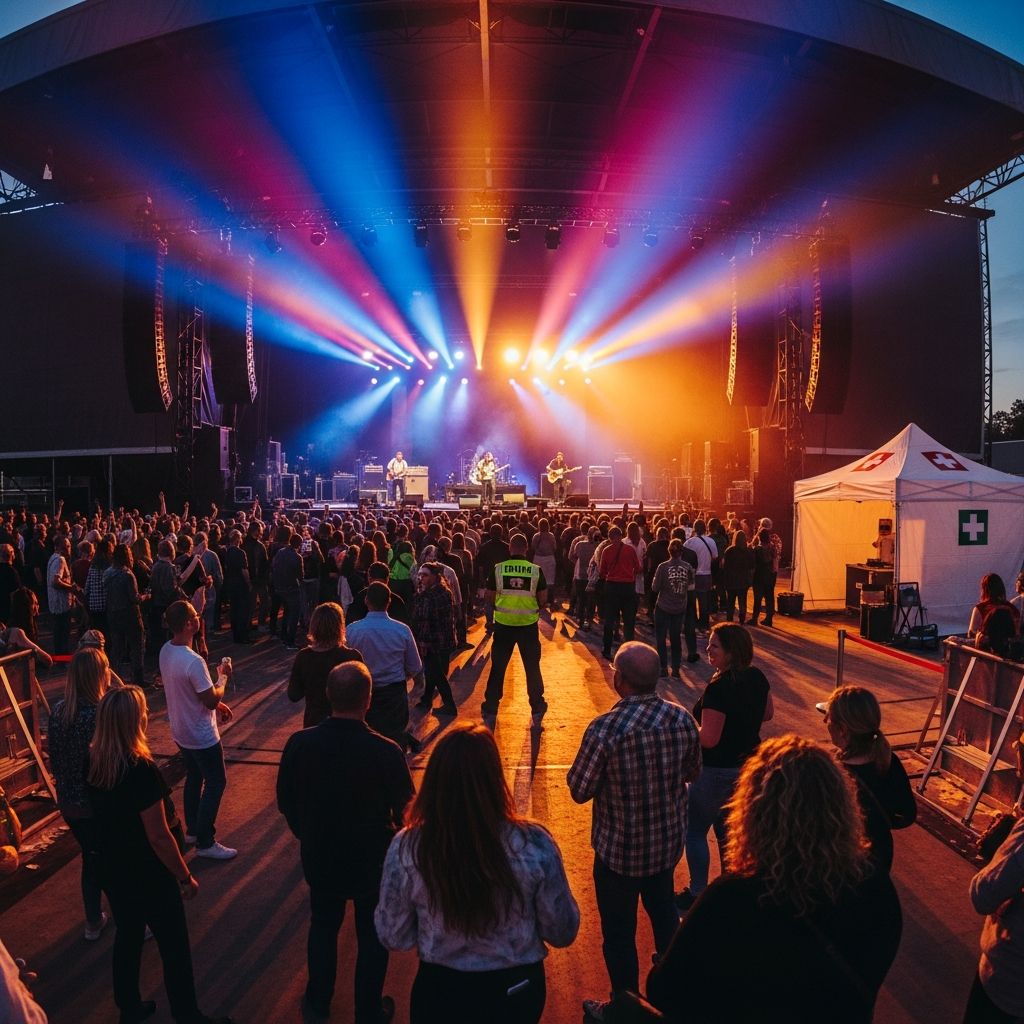
Attending live music events like concerts and festivals offers thrilling experiences, but crowded environments, high energy, and variable conditions can lead to injuries. Understanding how to minimize risks, respond effectively to accidents, and pursue justice when negligence occurs is crucial for a safe outing. This guide provides actionable advice drawn from safety protocols and legal insights to help you enjoy events responsibly.
Proactive Steps to Minimize Risks at Live Music Gatherings
Preparation begins before you leave home. Research the venue layout, check weather forecasts, and review event policies on items like water bottles or earplugs. Arriving early allows time to scout emergency exits, first aid locations, and less congested areas.
- Buddy System Implementation: Never attend alone; designate a meeting point and check in regularly via charged phones.
- Hydration and Nutrition Planning: Carry permitted water bottles and snacks to combat dehydration from dancing and heat exposure.
- Protective Gear Essentials: Wear comfortable shoes with good traction, ear protection against high decibels, and secure clothing without loose items.
During the event, maintain situational awareness. Avoid edges of mosh pits, barricades, or walls where crowd pressure builds. Trust instincts—if a spot feels unsafe, relocate promptly.
Navigating Crowds Safely: Techniques for High-Density Areas
Crowd surges pose significant dangers, including trampling or compression asphyxia. Position yourself in open spaces, feet shoulder-width apart, arms ready to shield your chest for breathing space.
| Situation | Recommended Action | Why It Helps |
|---|---|---|
| Crowd Surge | Stagger feet, arms forward like a boxer | Preserves oxygen intake and stability |
| Falling Risk | Curl on left side if down | Protects vital organs and airway |
| Bottleneck Area | Avoid tight spots, move perpendicular | Prevents crushing against barriers |
Steer clear of intoxicated or aggressive individuals, reporting them to security. Limit alcohol to stay alert, as impairment heightens vulnerability.
Venue and Organizer Safety Obligations
Event hosts must ensure adequate lighting, clear signage, accessible facilities, and trained staff. Barriers around stages, marked pathways, and medical setups are standard requirements. For large gatherings, multiple AEDs, ambulances on standby, and EMT teams are expected.
- Adequate spacing for movement and evacuation routes.
- Regular cleaning to prevent slips on debris.
- Weather contingencies like shaded zones or delay announcements.
Failure in these areas constitutes negligence, opening liability pathways.
Immediate Response Protocols for Injuries
If hurt, prioritize safety: move to a secure spot if possible, alert nearby staff, and seek medical tents. Do not ignore pain— even minor twists can worsen.
- Assess Severity: Check for bleeding, fractures, or unconsciousness.
- Basic First Aid: Apply pressure to wounds with clean cloth; elevate limbs; avoid harsh antiseptics.
- Immobilize Suspected Breaks: Use splints from nearby items without moving the injured excessively.
- Document Everything: Photograph injuries, hazards, and staff interactions; gather witness details.
Report to venue security immediately for official records, which strengthen future claims.
Common Injury Types and On-Site Treatments
Slips from wet floors, crowd crushes, hearing damage, and heat-related issues dominate. Sprains demand RICE (Rest, Ice, Compression, Elevation); heat exhaustion requires cooling and fluids.
- Head Trauma: Monitor for dizziness; do not resume activity.
- Lacerations: Clean gently, cover, and watch for infection.
- Overexertion: Rest in shaded areas with hydration.
Medical Follow-Up and Rehabilitation Strategies
Post-event, consult professionals promptly. Rehabilitation progresses from mobility restoration to strength building.
- Range of Motion: Gentle stretches to combat stiffness.
- Strengthening: Bands or weights for support muscles.
- Functional Drills: Sport-like movements for coordination.
- Balance Work: Single-leg stands to prevent recurrence.
- Cardio Maintenance: Low-impact like swimming.
- Plyometrics: Advanced explosive training for return to activity.
Gradual progression avoids re-injury; incorporate rest days.
Legal Recourse: Understanding Liability and Claims
Venue owners, promoters, security, and artists can be liable for negligence like poor crowd control or faulty barriers. Compensation covers medical bills, lost wages, and pain.
Key Steps:
- Preserve evidence: Photos, videos, medical reports.
- Notify in writing within deadlines (statutes vary by state).
- Consult attorneys specializing in premises liability.
Successful claims often hinge on proving duty breach, causation, and damages. Experts analyze security footage and staffing levels.
Prevention Through Proper Planning and Technique
Athletic preparation applies: warm-ups, correct posture in crowds, and progressive exposure to event intensity. Injury programs target ankles, knees via stability exercises.
- Rest adequately pre-event.
- Use proper form to navigate jostles.
- Monitor for fatigue signals.
Frequently Asked Questions (FAQs)
Q: What should I do immediately if injured in a crowd?
A: Protect yourself, alert staff, seek first aid, and document the scene for potential claims.
Q: How can I avoid dehydration at outdoor festivals?
A: Sip water regularly, use refill stations, and eat hydrating foods; avoid excess alcohol.
Q: Are venues liable for slip-and-fall incidents?
A: Yes, if due to negligence like uncleared spills or poor lighting.
Q: When should I seek a lawyer after an event injury?
A: After medical treatment, if negligence is suspected and costs mount.
Q: What gear protects hearing at loud shows?
A: High-fidelity earplugs that reduce volume without muffling sound.
Advanced Safety Measures for Repeat Attendees
Veterans customize plans: apps for real-time crowd maps, fitness trackers for hydration alerts, and post-event journals for patterns. Advocate for better standards by sharing feedback with organizers.
Combining personal vigilance with organizer accountability creates safer environments. Stay informed on local laws, as multi-day festivals amplify risks.
References
- Safety Measures for Music Events — SURVIVAL First Aid Kits. 2024-06-15. https://survivalfirstaidkits.com/pages/safety-measures-for-music-events
- Key Safety Tips for Concerts and Music Festivals — Thomas J. Henry Law. 2023-05-20. https://thomasjhenrylaw.com/blog/key-safety-tips-for-concerts-and-music-festivals/
- Outdoor Festival Health and Safety — Northwestern Medicine (.edu affiliate). 2024-03-10. https://www.nm.org/healthbeat/healthy-tips/outdoor-festival-health-and-safety
- Summer Event Safety: What You Need to Know — Morgan & Morgan. 2024-07-01. https://www.forthepeople.com/blog/summer-event-safety-what-you-need-know-your-next-concert-festival-or-game/
- Safety Tips for Attending Large Outdoor Concerts or Festivals — Hillstone Law. 2023-08-12. https://hillstonelaw.com/safety-tips-for-attending-large-outdoor-concerts-or-festivals/
Similar Articles








Read full bio of medha deb




