
Concert Cancellations: Know Your Refund Rights
Discover your legal entitlements and practical steps when concerts get postponed or canceled, ensuring you recover your money.
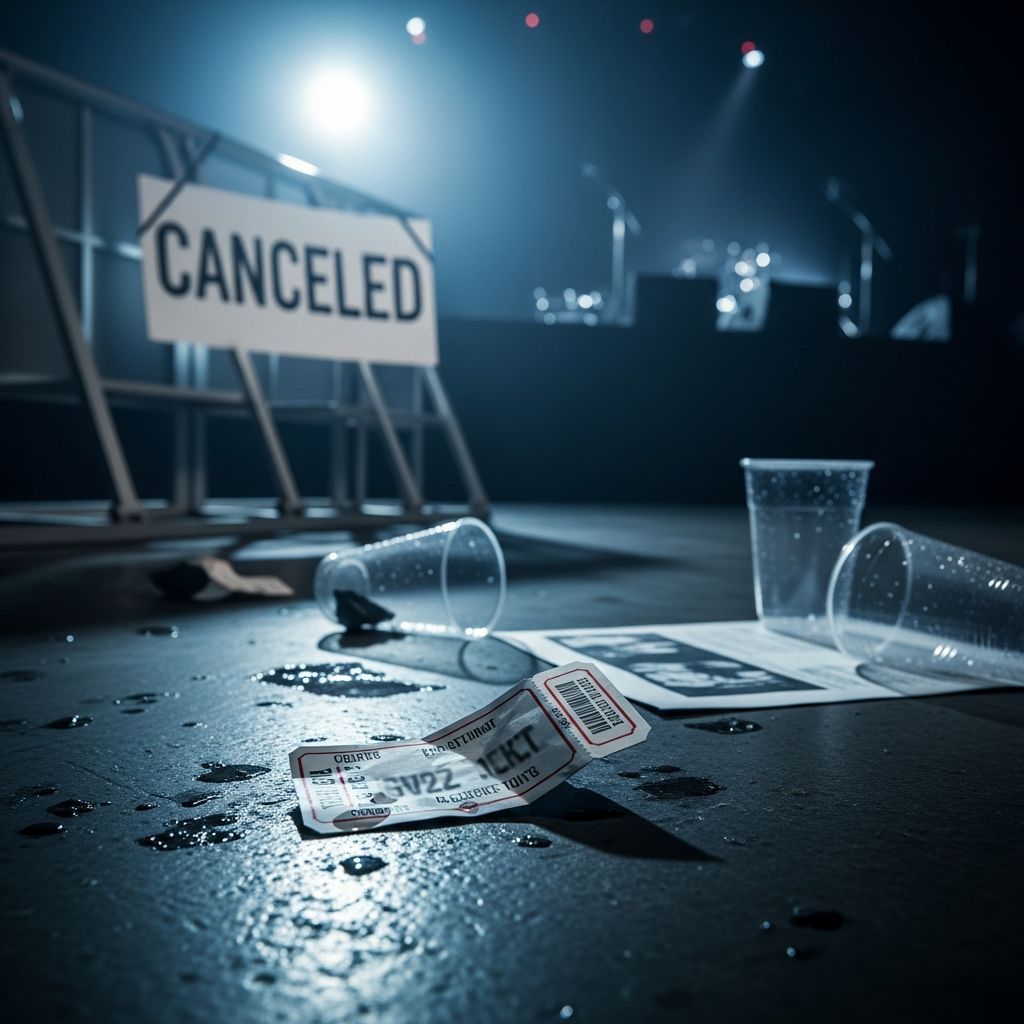
When you invest in live music experiences, the last thing you expect is disappointment from a sudden postponement or outright cancellation. Yet, these disruptions happen frequently due to weather, health crises, artist issues, or organizational challenges. Understanding your legal standing empowers you to demand fair treatment and reclaim your funds efficiently. This guide breaks down key protections, common pitfalls, and proven tactics to protect your wallet.
Understanding Event Disruptions and Basic Entitlements
Live events like concerts operate under contracts implied through ticket purchases. If the promised performance doesn’t occur as advertised, buyers typically hold strong grounds for compensation. Core principles from contract law dictate that organizers must deliver the service or refund payments when they fail to do so.
Postponements differ from cancellations: the former shifts the date, while the latter ends the event entirely. In both scenarios, consumer statutes often mandate refunds, especially if the new timing doesn’t suit you. For instance, several U.S. jurisdictions explicitly require organizers to issue reimbursements upon cancellation.
- Cancellation: Full refund is standard unless a reschedule is promptly announced.
- Postponement: Options usually include keeping tickets for the new date or exchanging for credit/refund.
- Major changes: Alterations like venue shifts or lineup reductions can trigger refund rights.
These baselines stem from state-specific rules and federal oversight, ensuring fairness in ticketing practices.
State-Specific Refund Mandates Across the U.S.
Laws vary by location, making it crucial to check regulations where the event occurs or tickets were sold. New York mandates refunds for canceled or rescheduled events, giving buyers clear recourse. California similarly requires organizers to provide refunds if ticket holders cannot attend a postponed show.
| State | Key Refund Rule | Timeframe for Claim |
|---|---|---|
| New York | Refund required for cancellations/reschedules | Within 12 months typically |
| California | Refund if unable to attend new date | Per event terms, often 30-60 days |
| Texas | Report denials to Attorney General | Varies; chargebacks up to 120 days |
These provisions protect against exploitative policies. Always review your ticket’s fine print against local statutes to gauge leverage.
Navigating Force Majeure Clauses in Ticket Agreements
Organizers often invoke force majeure—clauses excusing performance due to uncontrollable events like pandemics, storms, or strikes—to dodge refunds. While valid in theory, courts scrutinize their application. If cancellation stems from poor planning, financial woes, or foreseeable risks rather than true unforeseeable forces, they may not hold.
Examples include festivals canceled for mismanagement despite insurance payouts or sponsorships, where judges have sided with consumers. Bad faith advertising, such as promoting events with known issues, further weakens these defenses. Review your terms: vague language favoring promoters rarely survives legal challenges.
- Valid triggers: Natural disasters, government bans.
- Invalid excuses: Internal funding shortfalls, artist no-shows without backups.
- Court trends: Increasingly favor consumers over blanket exemptions.
Practical Steps to Secure Your Refund
Don’t wait—act swiftly to maximize success. Start by documenting everything: purchase receipts, emails, announcements, and communications.
- Contact the organizer: Submit a formal refund request via email or their portal, citing applicable laws.
- Escalate to payment providers: For credit card buys, initiate a chargeback. Banks require proof of non-delivery; success rates are high within 60-120 days.
- File complaints: Alert state Attorneys General or the FTC for deceptive practices.
- Explore insurance: Trip or event policies may cover losses, though exclusions like epidemics apply.
Chargeback processes demand evidence: cancellation notices trump promoter delays. Persistence pays off, as processors often side with buyers when services vanish.
Postponements: When ‘Later’ Means ‘Never’
Promoters sometimes label cancellations as postponements to retain funds, rescheduling indefinitely. If the new date conflicts with your plans, demand a refund—many laws affirm this right. Watch for patterns: repeated delays signal bad faith, bolstering disputes.
In one case, buyers of postponed jazz concerts faced denials until media pressure and complaints forced reimbursements. Insist on firm reschedule details; vagueness strengthens your position.
Class Actions: Strength in Numbers for Major Disputes
When thousands suffer, collective lawsuits amplify pressure. Recent cases targeted festivals for oversold tickets, fake lineups, and refund blocks. Platforms like Ticketmaster have faced suits for reclassifying cancellations as postponements to evade payouts.
To join: Monitor news for filings or consult attorneys via consumer sites. Settlements often yield full refunds plus fees, deterring future abuses.
- Common targets: Fraudulent sales, policy violations.
- Outcomes: High success for affected groups.
- Tip: Preserve records for potential claims.
International Variations in Ticket Protections
For global tours, home-country laws may apply alongside venue rules. Australia’s Consumer Law guarantees refunds for major changes or cancellations. The UK’s Consumer Rights Act voids unfair no-refund terms, per CMA guidance.
U.S. buyers at international events should prioritize chargebacks, as cross-border enforcement lags. Always note purchase location for jurisdiction.
Preventive Measures for Future Purchases
Proactive steps minimize risks: Opt for refundable tickets, buy from reputable sellers, and review policies pre-purchase. Consider event insurance sans epidemic carve-outs. Support transparent organizers to foster industry accountability.
Frequently Asked Questions (FAQs)
Can I get a refund if I can’t attend the rescheduled concert date?
Yes, in states like California and New York, you qualify for a refund if the new date doesn’t work.
Does force majeure always block my refund claim?
No, courts reject it for mismanagement or when organizers profit otherwise.
How long do I have to file a credit card chargeback?
Typically 60-120 days from purchase or cancellation notice.
What if the promoter offers only vouchers?
Decline and pursue legal channels; vouchers aren’t substitutes for cash refunds on cancellations.
Should I buy event ticket insurance?
It helps for personal reasons but check exclusions like pandemics.
Empowering Yourself as a Smart Ticket Buyer
Armed with this knowledge, transform frustration into action. Refuse unfair terms, leverage laws, and hold promoters accountable. Live music thrives when consumers demand reliability—your vigilance ensures it.
References
- Implications of Event Postponement and Cancellation — Skadden, Arps, Slate, Meagher & Flom LLP. 2020-04-03. https://www.skadden.com/-/media/files/publications/2020/04/implicationsofeventpostponementandcancellation0403.pdf
- Canceled Festivals in 2025: Your Legal Rights & How to Get a Refund — Sauder Schelkopf. 2025 (inferred recent). https://sauderschelkopf.com/blog/canceled-festivals-in-2025-your-legal-rights-how-to-get-a-refund/
- Refunds, Rain & Consumer Law: Crafting Festival Policies — Ticket Fairy. Recent (post-2020). https://www.ticketfairy.com/blog/refunds-rain-consumer-law-crafting-festival-policies-that-protect-goodwill
- Consumer Expert Amy Davis Gives Advice on Dealing with Ticket Sellers — KPRC Click2Houston. 2020-04-14. https://www.click2houston.com/news/local/2020/04/14/consumer-expert-amy-davis-gives-advice-on-dealing-with-ticket-sellers-canceling-events-while-refusing-refunds/
Similar Articles








Read full bio of medha deb




