
Whiplash Injuries: What You Should Understand
Learn the essentials about whiplash: injury mechanisms, symptom recognition, and effective recovery strategies.
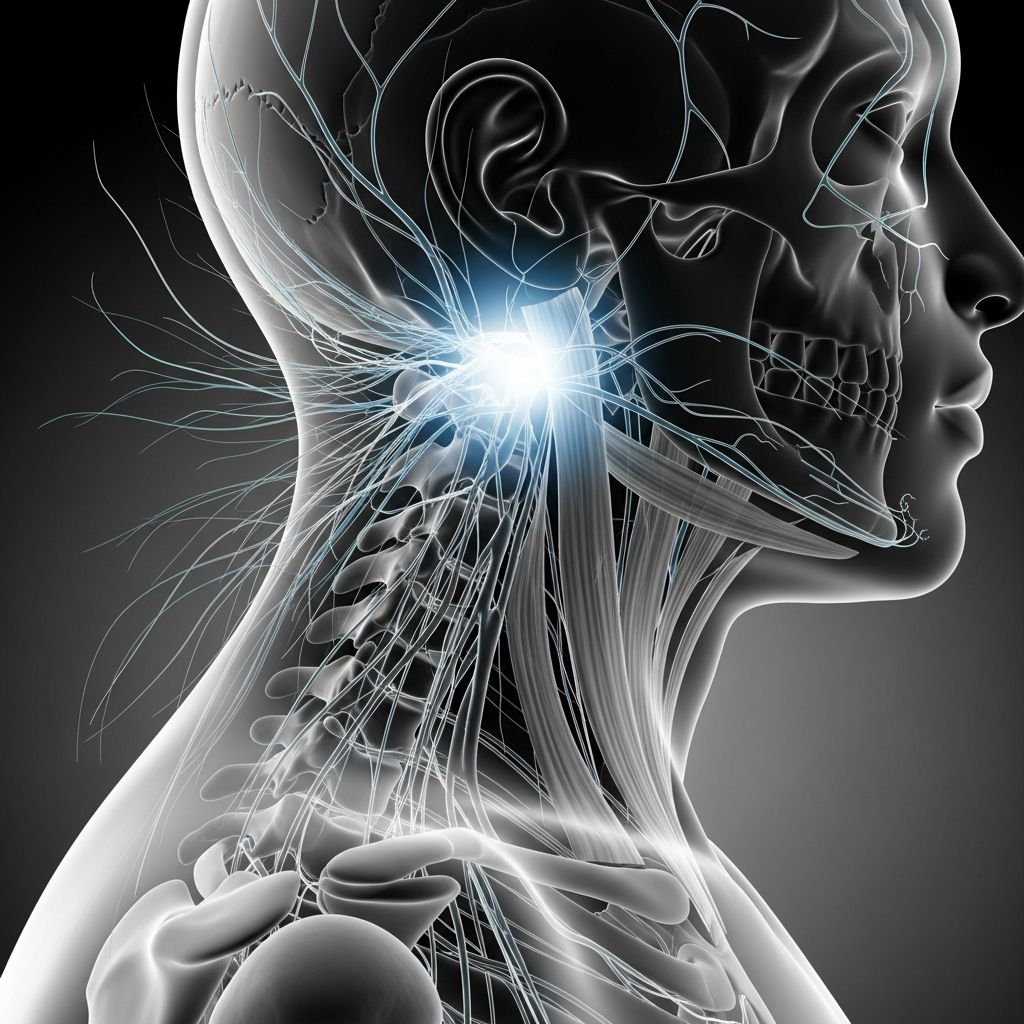
Understanding Whiplash: A Comprehensive Overview
Whiplash represents a significant soft-tissue injury affecting the neck and spine region, occurring when sudden acceleration or deceleration forces cause the cervical spine to move beyond its normal range of motion. Unlike commonly held misconceptions that whiplash is merely a minor inconvenience, this injury can involve damage to muscles, ligaments, tendons, nerves, and intervertebral discs. Millions of individuals in the United States experience whiplash injuries annually, making it a prevalent concern in both automotive and sports-related contexts.
The injury earned its distinctive name from the characteristic motion of the head and neck—a rapid forward-and-backward or lateral movement resembling the crack of a whip. While motor vehicle accidents remain the most frequently cited cause, whiplash can develop from falls, sporting collisions, or other traumatic events involving sudden neck movement.
The Mechanism Behind Whiplash Development
Understanding how whiplash occurs provides crucial context for recognizing its severity. When the body experiences sudden deceleration or acceleration, the head may lag behind or surge forward relative to the body’s movement. This creates intense strain on the delicate structures supporting the cervical spine.
The injury affects various anatomical components, including:
- Cervical muscles that stretch beyond their normal capacity
- Ligaments connecting vertebrae, which may tear or become inflamed
- Intervertebral discs that can bulge or rupture from the force
- Nerve roots that may become compressed or irritated
- Tendons that support neck mobility
Certain factors increase the likelihood of developing whiplash after trauma. Older age, pre-existing neck or back pain, previous whiplash incidents, and high-speed collisions create greater risk for both immediate injury and chronic symptoms.
Recognizing Whiplash Symptoms: The Full Picture
One critical aspect often overlooked is that whiplash symptoms don’t always appear immediately. Individuals may experience a delayed onset, with symptoms emerging 24 to 72 hours following the initial injury. This latency period requires patience and continued monitoring even when initial pain seems minimal.
Primary Symptom Presentation
The most common symptoms include neck pain, stiffness, and tenderness in the cervical region. Many patients report restricted range of motion, making routine movements like turning the head or looking over the shoulder painful and difficult.
Beyond localized neck discomfort, whiplash frequently produces:
- Headaches ranging from mild to severe
- Shoulder or upper back pain from forces affecting adjacent muscle groups
- Arm pain extending into the shoulders
- Neurological sensations including tingling, numbness, or “pins and needles” in arms or hands, indicating potential nerve involvement
Secondary and Cognitive Manifestations
Whiplash extends beyond physical pain. Patients frequently report cognitive and sensory complications that significantly impact daily functioning[10]:
- Difficulty concentrating and mental fog
- Memory problems
- Dizziness or vertigo sensations
- Fatigue disproportionate to activity level
- Blurred or double vision[10]
- Tinnitus (ringing in the ears)
- Sleep disturbances and insomnia[10]
- Irritability and mood changes[10]
- Difficulty swallowing or changes in hearing, sight, or smell
- Nausea and vomiting in severe cases[10]
The presence of these diverse symptoms reflects the complexity of whiplash injuries and the interconnected nature of cervical spine structures.
Diagnostic Approaches and Medical Evaluation
Proper diagnosis requires thorough medical assessment. Healthcare providers typically begin by reviewing the mechanism of injury and documenting the timeline of symptom onset. Physical examination involves assessing cervical range of motion, palpating tender areas, and performing neurological tests to identify nerve involvement.
Imaging studies may be requested to rule out fractures, dislocations, or other structural damage. However, a critical diagnostic challenge exists: many whiplash patients have significant pain and functional limitation despite normal imaging results. This disconnect between symptoms and radiological findings reflects the nature of soft-tissue injuries, which may not be clearly visible on standard X-rays or MRI scans.
Evidence-Based Treatment Strategies
Modern whiplash management emphasizes early active intervention rather than prolonged immobilization. Research demonstrates that patients receiving early mobilization and active exercise achieve significantly better outcomes than those following traditional rest-and-collar protocols.
Immediate and Short-Term Interventions
In the acute phase following injury, immediate care focuses on controlling pain and reducing inflammation:
- Cold application for the first 24 hours to 10 days reduces swelling
- Rest for one to two days, though prolonged bed rest may actually hinder recovery
- Heat therapy applied after the initial acute phase to promote muscle relaxation and healing
- Over-the-counter pain relievers such as acetaminophen or ibuprofen for mild-to-moderate pain
- Nonsteroidal anti-inflammatory drugs (NSAIDs) like ibuprofen to reduce inflammation and swelling
Soft Cervical Collar Considerations
Historically, cervical collars were standard treatment components. However, contemporary research suggests limited long-term benefits. While temporary collar use may provide comfort during the acute phase, restricting motion excessively can prevent necessary healing adaptations. Current recommendations favor early gentle movement after 24 hours.
Pharmacological Management
When conservative measures prove insufficient, additional medications may be prescribed:
- Muscle relaxers address involuntary muscle spasms that prevent healing and cause severe pain
- Prescription pain medications for moderate-to-severe pain that exceeds over-the-counter options
- Corticosteroid or lidocaine injections targeting the specific injury site to rapidly reduce inflammation and pain, facilitating participation in physical therapy
Physical Therapy as the Foundation of Recovery
Physical therapy represents the cornerstone of whiplash rehabilitation. Guided exercises restore cervical range of motion, rebuild neck muscle strength, and prevent chronic complications.
Therapeutic approaches typically include:
- Gentle stretching exercises to restore flexibility
- Progressive strengthening activities targeting cervical and shoulder muscles
- Posture correction and ergonomic training
- Deep tissue massage, particularly beneficial for chronic pain and limited mobility
- Movement education to prevent reinjury
A landmark three-year prospective study found that patients receiving early active intervention with frequent cervical rotation achieved significantly reduced pain intensity and sick leave compared to standard conservative care, with similar range of motion to uninjured controls at long-term follow-up.
Advanced and Specialized Treatment Modalities
For patients with persistent or complex whiplash symptoms, additional therapeutic options may be beneficial:
- Transcutaneous Electrical Nerve Stimulation (TENS) applies mild electrical current to temporarily reduce pain and may improve muscle strength, though research suggests effects are short-term
- Regenerative medicine injections such as platelet-rich plasma (PRP), prolotherapy, or mesenchymal stem cell treatments may accelerate healing and reduce inflammation in select chronic cases
- Radiofrequency nerve ablation for chronic pain management when conservative approaches have been exhausted
- Spine surgery in rare cases involving significant structural damage or neurological compromise
Recovery Timeline and Prognostic Factors
Most individuals recover completely from whiplash within two to three months with appropriate treatment. However, recovery trajectories vary significantly among patients.
Favorable prognostic indicators include younger age, absence of pre-existing neck conditions, low-speed injury mechanism, and prompt engagement in active rehabilitation. Conversely, older patients, those with previous neck or back problems, and individuals injured in high-speed incidents face longer recovery periods and increased risk of chronic symptoms lasting months or years.
When symptoms persist beyond several weeks or months despite conservative treatment, specialist referral to an orthopedic physician becomes appropriate, particularly if neurological symptoms such as arm weakness, numbness, or tingling develop.
When to Seek Immediate Medical Attention
While most whiplash injuries respond well to conservative management, certain warning signs demand urgent evaluation:
- Severe pain or pain that suddenly worsens
- Weakness or loss of sensation in arms or legs
- Balance problems or dizziness affecting function
- Changes in bowel or bladder function
- Headache, dizziness, confusion, irritability, or memory problems
- Loss of consciousness
Frequently Asked Questions About Whiplash
Q: Can whiplash symptoms appear days after the injury?
A: Yes, whiplash symptoms frequently have delayed onset, appearing 24 to 72 hours after the initial trauma, making continued monitoring essential even when initial injury seems minor.
Q: Is a cervical collar necessary for whiplash treatment?
A: While cervical collars may provide short-term comfort, research indicates that early gentle movement and active exercise produce better long-term outcomes than prolonged immobilization.
Q: How long does whiplash recovery typically take?
A: Most patients recover within two to three months with appropriate treatment; however, some individuals experience chronic symptoms lasting months or years, particularly if older or injured in high-speed incidents.
Q: What role does physical therapy play in whiplash recovery?
A: Physical therapy is fundamental to recovery, restoring range of motion, rebuilding muscle strength, correcting posture, and preventing chronic complications through guided exercises and specialized techniques.
Q: Can whiplash cause permanent damage?
A: While most whiplash injuries resolve with proper treatment, some individuals develop chronic symptoms. Early active intervention significantly reduces this risk.
Summary and Key Takeaways
Whiplash represents a complex soft-tissue injury requiring comprehensive understanding and evidence-based management. Recognition that symptoms may develop gradually underscores the importance of monitoring following any neck trauma. Modern treatment emphasizes early active mobilization supported by physical therapy, rather than prolonged rest and immobilization. When conservative approaches prove insufficient, advanced interventions including specialized injections and TENS therapy offer additional options. Most importantly, engaging promptly with healthcare providers and committing to rehabilitation significantly improves recovery outcomes and reduces the likelihood of chronic complications.
References
- Whiplash: Symptoms, Causes, Diagnosis, and Treatment — Cleveland Foundation for Advanced Orthopaedic Medicine (CFAO). 2025-11-15. https://www.cfaortho.com/media/news/2025/11/whiplash-symptoms-causes-diagnosis-and-treatment
- Whiplash (Neck Strain): What It Is, Symptoms & Treatment — Cleveland Clinic. 2025. https://my.clevelandclinic.org/health/diseases/11982-whiplash
- Whiplash — Lehigh Valley Health Network. 2025. https://www.lvhn.org/conditions/whiplash
- Whiplash Relief and Recovery — Mayo Clinic Health System. 2025. https://sncs-prod-external.mayo.edu/hometown-health/speaking-of-health/understanding-whiplash
- Whiplash: Diagnosis, Treatment, and Associated Injuries — National Institutes of Health (NIH) National Center for Biotechnology Information. 2025. https://pmc.ncbi.nlm.nih.gov/articles/PMC2684148/
- Whiplash – Diagnosis and Treatment — Mayo Clinic. 2025. https://www.mayoclinic.org/diseases-conditions/whiplash/diagnosis-treatment/drc-20378926
- Whiplash Injury — Cedars-Sinai. 2025. https://www.cedars-sinai.org/health-library/diseases-and-conditions/w/whiplash-injury.html
Similar Articles








Read full bio of Sneha Tete




