
Colorado School Nurses and Medical Cannabis Administration
Exploring Colorado's pioneering law allowing school nurses to administer nonsmokable medical marijuana to students with parental consent.
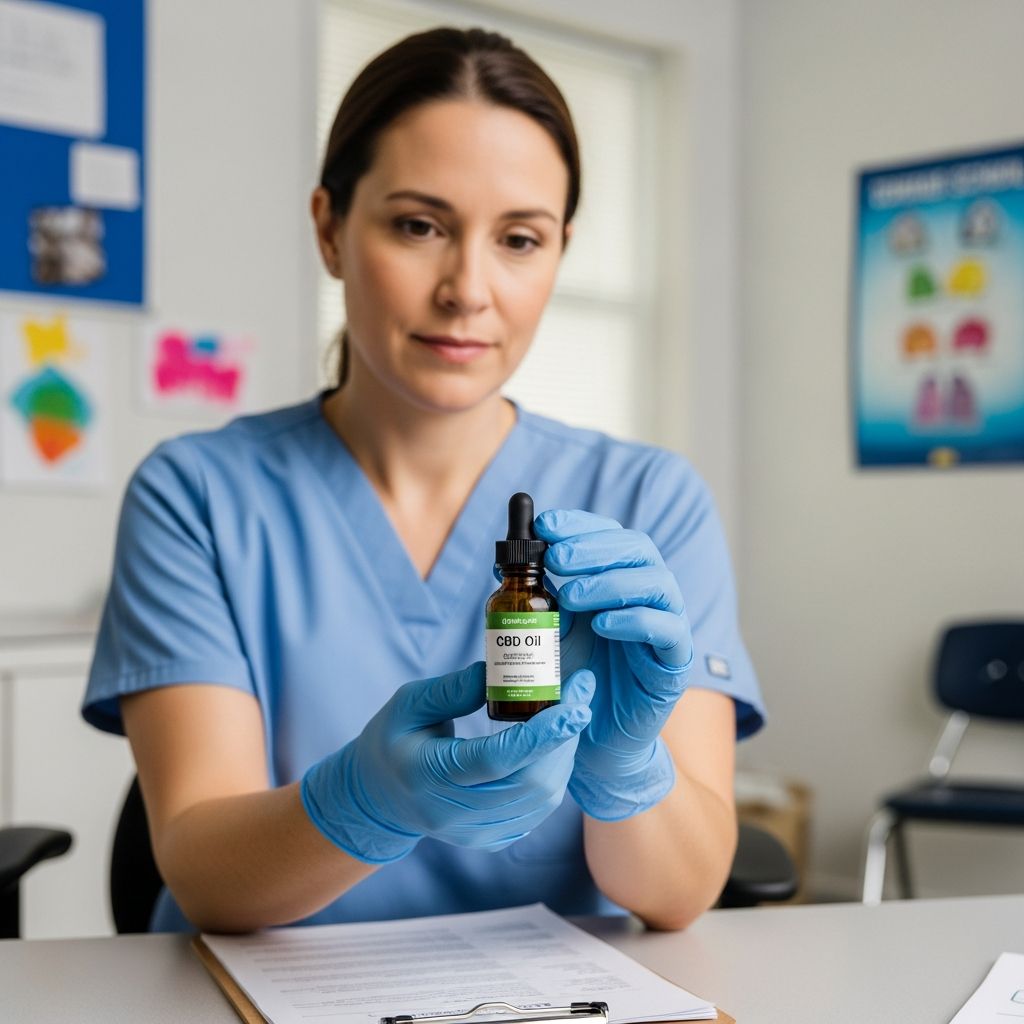
Colorado has made history by becoming the first state to explicitly authorize school nurses to administer nonsmokable medical marijuana to students under specific conditions. This development addresses the needs of children with qualifying medical conditions while implementing robust safeguards to protect students and staff.
Historical Context of Medical Cannabis in Schools
Prior to recent legislative changes, parents in Colorado could personally administer medical marijuana to their children on school grounds, often for conditions like severe epilepsy. However, this required parents to be physically present, creating logistical challenges for families and disruptions to the school day. The enactment of House Bill 18-1286 in 2018 marked a pivotal shift, empowering designated school personnel, including nurses, to handle this responsibility with parental authorization.
Governor John Hickenlooper signed the bill into law, citing compelling arguments from affected parents and emphasizing built-in protections to prevent misuse. This law built on existing statutes like C.R.S. 22-1-119.3, which mandates school policies for medication possession and self-administration, now extended to nonsmokable medical cannabis forms such as oils or edibles.
Key Legal Requirements and Protocols
The legislation outlines precise procedures to ensure compliance and safety. Parents must provide a doctor’s note specifying dosage, timing, and administration method. The medication is stored in a locked container accessible only to authorized personnel, with a written agreement required between the school principal and parent.
- Parents deliver the nonsmokable medical marijuana directly to the nurse’s office.
- Students cannot transport the medication themselves or carry it on school buses.
- A photocopy of the student’s medical marijuana authorization is maintained in confidential records.
- Remaining medication must be retrieved by the parent promptly, or it is disposed of by the school.
These measures prevent diversion and ensure accountability. Schools must develop district-specific policies aligning with state guidelines, including training for staff volunteers.
Role and Responsibilities of School Nurses
School nurses play a central role but participation remains strictly voluntary. No staff member can be compelled to administer medical cannabis, reflecting concerns over liability and federal conflicts. Nurses oversee storage and may train delegates, but they are not required to supervise every dose.
Under C.R.S. 12-255-132, trained staff can handle certain medications with physician standing orders, but medical marijuana requires additional protocols. For field trips, nurses prepare medications without delegation, and cannabis is explicitly prohibited at such events.
| Aspect | Requirements | Restrictions |
|---|---|---|
| Storage | Locked container in nurse’s office | Student access prohibited |
| Administration | Voluntary by nurse or trained staff | No self-administration without assessment |
| Parental Role | Provide medication and documentation | Must retrieve unused portions |
| School Events | N/A for cannabis | Banned on buses and trips |
Nurse Perspectives and Challenges
A national survey of 379 school nurses across 16 states highlights varying comfort levels with medical cannabis policies. In fully legal states like Colorado, nurses report fewer concerns about safety, stigma, and federal illegality compared to restrictive areas. However, only about 25% of districts nationwide have policies allowing administration, often limiting it to parents.
Colorado nurses benefit from clear state guidance, yet federal law (21 U.S.C.) creates tension, as cannabis remains Schedule I. Schools risk federal funding issues, prompting cautious implementation. Nurses advocate for stakeholder education and collaborative policy development to address these gaps.
Impact on Student Health and Equity
For students with conditions unresponsive to traditional treatments, such as intractable seizures, this policy enhances access to care without parental travel. It promotes equity by allowing full participation in school activities. Districts like Poudre School District have codified these rules, requiring caregiver consultations and liability releases.
Best practices include nurse-led discussions on student readiness for self-administration, though medical marijuana typically involves supervised dosing. This ensures health conditions are managed effectively during school hours.
National Implications and Comparisons
Colorado’s model influences other states navigating medical cannabis expansion. While some permit parental administration, few authorize school staff. Nurse surveys indicate a need for state-level guidance to reduce uncertainties around Nurse Practice Acts.
Challenges persist: three-quarters of surveyed nurses report district bans despite state legality, underscoring policy inertia. Colorado’s approach—combining permission with opt-out provisions—offers a balanced framework.
Frequently Asked Questions (FAQs)
What forms of medical marijuana can school nurses administer?
Nonsmokable forms only, such as oils, tinctures, or edibles. Smoking or vaping is prohibited on school grounds.
Can students self-administer medical cannabis at school?
Self-administration requires nurse assessment of the student’s knowledge, condition severity, and ability. It’s not standard for medical marijuana.
Is participation mandatory for school nurses?
No, all staff involvement is voluntary. No one can be required to store or administer.
What happens to unused medication?
Parents must pick it up promptly; otherwise, the school disposes of it per district policy.
Does this apply to school-sponsored events?
No, medical marijuana is banned on field trips, buses, and extracurricular activities.
Future Directions and Policy Evolution
Since 2018, Colorado’s policy has stabilized school health practices. Ongoing evaluations could refine protocols, such as integrating CBD/hemp products under complementary medication rules. Nationally, as more states legalize, Colorado’s precedent may encourage similar laws with enhanced training and federal advocacy.
Educating administrators, parents, and communities remains key to destigmatizing medical cannabis use in educational settings. Collaborative efforts between health departments and school boards will shape equitable access.
References
- Colorado Lets School Nurses Administer Medical Marijuana — Governing.com (The Denver Post). 2018-06-01. https://www.governing.com/archive/tns-school-nurse-marijuana-colorado.html
- Medication Guidelines for Colorado School and Child Care Settings — Colorado Department of Education. Accessed 2026. https://ed.cde.state.co.us/shs/medguidelinesco
- Administering Medical Marijuana to Qualified Students (JLDCB) — Poudre School District. Undated (post-2018). https://www.psdschools.org/sites/default/files/PSD/policies/JLCDB.pdf
- School Nurse Perspectives of Medical Cannabis Policy in K-12 — PMC/NCBI (Peer-reviewed). 2024. https://pmc.ncbi.nlm.nih.gov/articles/PMC11558934/
- Mary Jane To The School Nurse’s Office — KUER. 2018-06-08. https://www.kuer.org/2018-06-08/mary-jane-to-the-school-nurses-office
- HB18-1286 School Nurse Give Medical Marijuana At School — Colorado General Assembly. 2018. http://leg.colorado.gov/bills/hb18-1286
Similar Articles








Read full bio of Sneha Tete




