
College Arrest: What Students Should Do To Protect Their Future
Facing arrest in college? Learn immediate actions, legal rights, school impacts, and strategies to protect your future.
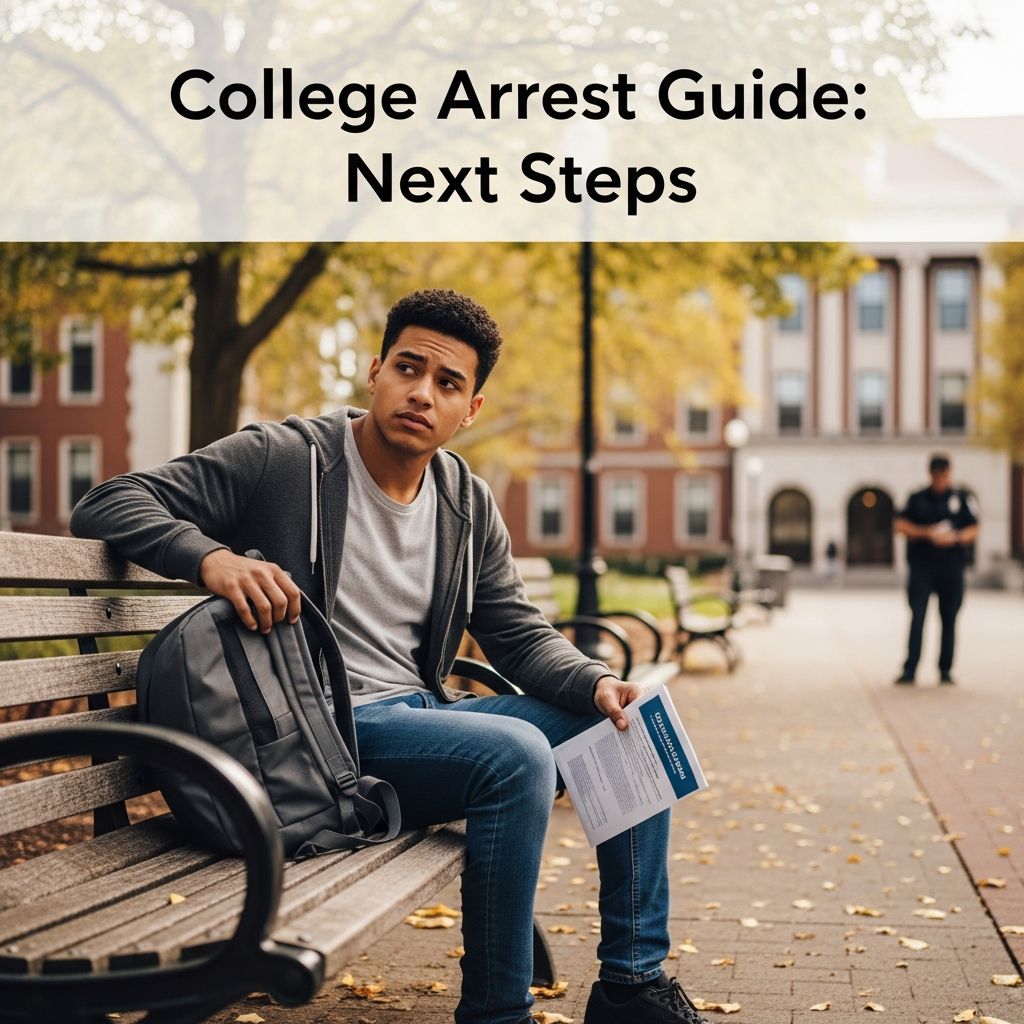
When a college student faces an arrest, the situation demands swift, informed action. Both criminal justice processes and university policies activate simultaneously, threatening academic standing, financial aid, and future opportunities. This guide outlines the key phases, rights, and strategies to navigate this dual-track challenge effectively.
Understanding the Dual Consequences of a Campus Arrest
An arrest on or near campus triggers two independent systems: the criminal justice process and the university’s student conduct procedures. Campus police often hold full law enforcement powers, equivalent to local authorities, enabling them to file charges directly in court. Meanwhile, universities enforce their own codes of conduct, which can lead to sanctions regardless of criminal outcomes.
Common offenses include underage drinking, drug possession, disorderly conduct, and assault, each carrying potential fines, jail time, and academic penalties. The interplay between these systems means statements in a school hearing could impact criminal defense, underscoring the need for coordinated legal strategy from the outset.
Immediate Actions After Arrest
Upon arrest, exercise your constitutional rights promptly. Invoke the Fifth Amendment right to remain silent and request an attorney before responding to questions from campus or local police. Avoid discussing the incident with university officials without counsel, as cooperation policies may conflict with criminal defense needs.
- Right to Silence: Politely decline to answer questions beyond basic identification.
- Attorney Request: Insist on legal representation immediately.
- No Consent to Searches: Do not permit searches of person, vehicle, or dorm without a warrant or probable cause.
- Contact Support: Notify parents or trusted advisors discreetly.
Post-arrest detention may last 24-48 hours or longer over weekends, leading to an arraignment where charges are formally presented. Bail options depend on the offense severity and prior record.
Navigating the Criminal Justice Process
The criminal path begins with booking, followed by arraignment, pre-trial hearings, and potential trial or plea negotiations. Outcomes range from dismissal to conviction, with penalties including probation, fines, community service, or incarceration.
| Stage | Description | Potential Duration |
|---|---|---|
| Arraignment | Plea entry (not guilty typical initially) | 1-3 days post-arrest |
| Pre-Trial | Discovery, motions, negotiations | Weeks to months |
| Trial/Plea | Resolution or verdict | Months |
Experienced defense counsel can challenge evidence, negotiate diversions like pretrial intervention programs, or aim for record expungement post-resolution, minimizing long-term impacts.
University Disciplinary Procedures
Schools initiate separate investigations under lower evidentiary standards, often “preponderance of evidence” (more likely than not), contrasting criminal “beyond reasonable doubt.” Interim measures like no-contact orders or class suspensions may precede hearings.
Disciplinary hearings resemble mini-trials: the university presents evidence, and students respond, often with advisor support but limited discovery rights. Unprepared students risk adverse outcomes due to emotional responses or lack of counter-evidence.
- Probation: Monitored behavior with stipulations like counseling.
- Community Service: Required hours on or off campus.
- Suspension: Temporary removal, transcript notation.
- Expulsion: Permanent dismissal, severe record impact.
Academic and Financial Repercussions
Arrests jeopardize enrollment continuity. Honor codes or conduct violations can trigger expulsion reviews, especially for athletes or scholarship recipients. Financial aid, including federal loans and grants, faces scrutiny under drug conviction bans or institutional policies.
Certain majors (e.g., education, healthcare) impose course restrictions post-arrest, limiting career paths involving vulnerable populations. Extracurricular dismissal compounds isolation, exacerbating mental health strains like anxiety.
Long-Term Career and Record Implications
Convictions appear on background checks, affecting job applications, professional licenses, and graduate admissions. Even arrests without conviction may disclose during applications, prompting explanations.
Expungement or sealing records post-resolution offers relief, but processes vary by jurisdiction. Proactive steps like character references and volunteer work rebuild profiles.
Role of Legal Counsel in College Arrests
Attorneys bridge criminal and university proceedings, advising on parallel responses, gathering exculpatory evidence, and representing in hearings. They negotiate with prosecutors for favorable pleas and appeal university sanctions.
For parents, understanding campus police authority prevents underestimating arrests as mere “school matters.” Early intervention preserves options.
Protecting Mental Health and Support Networks
The stress of dual proceedings often leads to depression or withdrawal. Campus counseling, adjusted for confidentiality, provides vital support. Rebuilding peer ties post-resolution fosters resilience.
Preventive Measures for College Students
Awareness of conduct codes and local laws reduces risks. Designate a trusted contact, avoid impairment in public, and know campus resources for de-escalation.
Frequently Asked Questions
Can I be expelled solely based on an arrest?
Yes, universities may act on arrests under lower proof standards, though hearings typically review evidence.
Does campus police arrest lead to court?
Absolutely; campus officers file charges like municipal police.
What if I lose financial aid?
Appeal via aid office or seek alternatives; convictions may bar federal aid temporarily.
Can I get records cleared?
Expungement possible post-resolution, depending on charge and jurisdiction.
Should I talk to school before a lawyer?
No; consult counsel first to align responses.
Strategies for Positive Resolution
Prioritize compliance, document everything, and leverage support systems. Successful navigation often preserves education and averts lasting damage through skilled advocacy and accountability.
References
- How a criminal arrest could affect your college career — McIntosh Law. 2021-04. https://www.floridacriminaljustice.com/blog/2021/april/how-a-criminal-arrest-could-affect-your-college-/
- What Happens if I’m Arrested on Campus? — Jed Silverman Law. 2021-08. https://www.jedsilverman.com/blog/2021/august/what-happens-if-i-m-arrested-on-campus-/
- How Does An Arrest In College Affect Your Future? — Conyers & Nix. N/A. https://www.conyersnix.com/faq/how-does-an-arrest-in-college-affect-your-future/
- What Happens if I am in College and Just Got Arrested? — KD Trial Lawyers. N/A. https://kdtriallawyers.com/blog/what-happens-if-i-am-in-college-and-just-got-arrested/
- How to Handle a College Campus Arrest — Meade Law Group. 2021-02. https://www.injury-lawyer-tn.com/blog/2021/february/how-to-handle-a-college-campus-arrest/
- How An Arrest Can Affect Your Time in College — Masella Law Firm. 2022-06. https://www.masellalaw.com/blog/2022/june/how-an-arrest-can-affect-your-time-in-college/
- A Parent’s Guide to College Arrests: What Really Happens After — Frank Walker Law. 2026-01. https://www.frankwalkerlaw.com/blog/2026/january/a-parent-s-guide-to-college-arrests-what-really-/
Similar Articles








Read full bio of medha deb




