
Securing a Christmas Tree on Your Vehicle: Legal Requirements
Understanding the laws and safe practices for transporting holiday trees on automobiles.
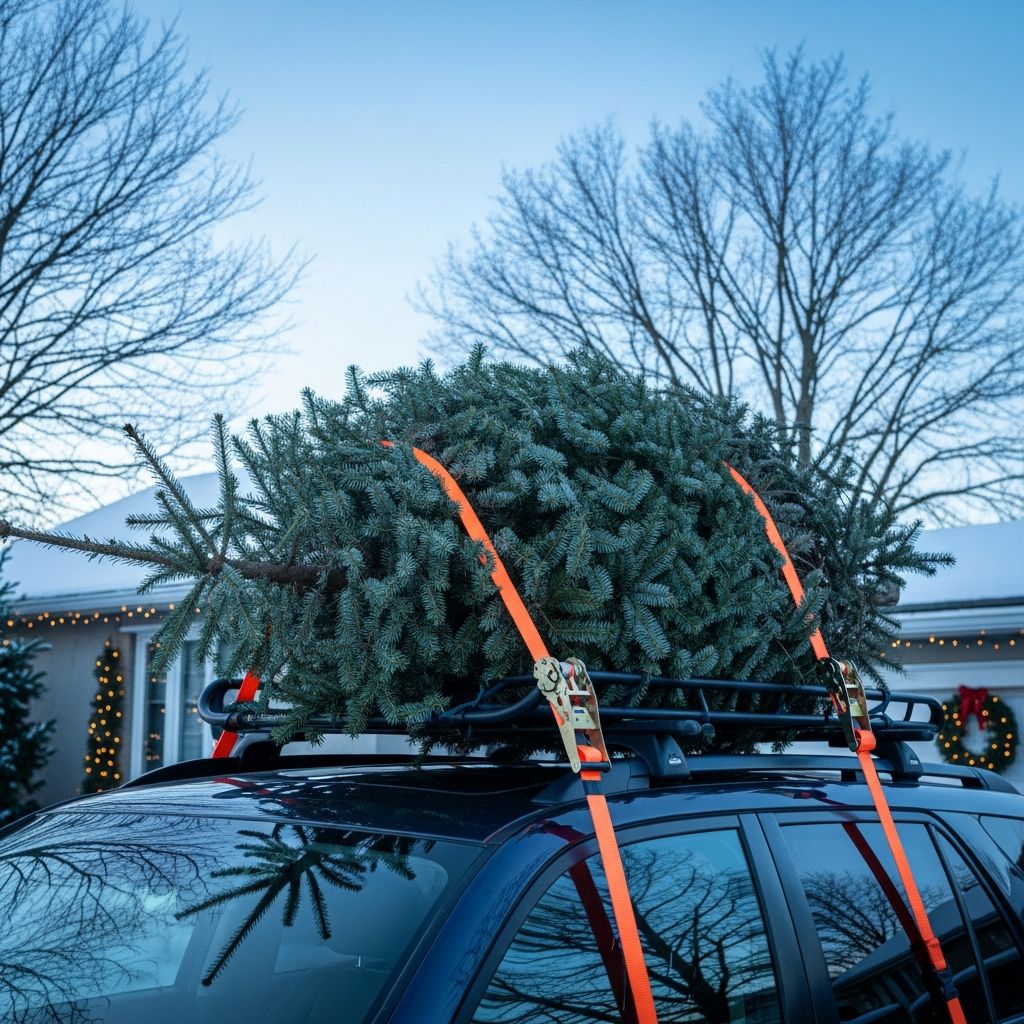
Understanding the Legal Framework for Holiday Cargo
As the holiday season approaches, many families venture out to find the perfect Christmas tree to brighten their homes. The journey home with that freshly cut pine, fir, or spruce tree often involves transporting it atop or within a vehicle—a task that appears simple but carries important legal and safety considerations. Understanding what the law permits and requires regarding tree transportation protects you from potential fines, protects other motorists from hazards, and ensures your vehicle remains undamaged.
The regulatory landscape governing cargo transport, including Christmas trees, varies significantly across jurisdictions. Rather than a single federal mandate, each state and sometimes individual municipalities establish their own rules about what can be transported and how it must be secured. These regulations fall under broader cargo securement laws designed to prevent items from becoming road hazards when vehicles are in motion.
General Permissibility and State-by-State Variations
The straightforward answer to whether you can transport a Christmas tree on your vehicle is yes—in most situations. However, this permission comes with substantial conditions that govern the manner of transport. The fundamental principle underlying transportation law is that you may carry nearly any item, including holiday trees, provided it remains firmly secured to your vehicle and does not obstruct your ability to see the roadway, mirrors, or create hazards for surrounding traffic.
Since transportation regulations fall primarily under state jurisdiction rather than federal control, the specific rules you must follow depend on your location. A practice that complies fully with regulations in one state might violate laws in another. This variance means that before transporting a tree across state lines or even between counties within your state, checking local ordinances becomes prudent. What matters universally, however, is that the tree cannot move, shift, or fall during transport.
Most states have adopted similar foundational principles: cargo must be contained within the vehicle’s boundaries, secured against movement, and not impede the driver’s vision. Beyond these baseline requirements, states may impose additional restrictions on rope types, attachment points, load height, or how far cargo can extend beyond the vehicle’s normal dimensions.
Federal Guidelines and Industry Standards
While states maintain primary authority over cargo transport regulations, federal guidelines provide additional context through organizations like the American Automobile Association (AAA). These organizations publish recommendations based on engineering principles and accident data, offering best practices that exceed minimum legal requirements in many jurisdictions.
The AAA and similar safety organizations typically recommend securing trees at three points—top, middle, and bottom—using dedicated tie-down equipment rather than consumer-grade rope provided by tree lots. They further recommend against traveling at highway speeds and suggest avoiding nylon rope in favor of ratchet straps or equivalent securing materials. While some recommendations exceed what law strictly requires, following them substantially reduces legal liability should an accident occur.
When Tree Transport Becomes Illegal
Transportation becomes illegal when specific conditions occur. The most prevalent violation occurs when a tree is not adequately secured and falls, shifts, or slides from a vehicle during operation. Every U.S. state maintains statutes that explicitly prohibit items from falling off vehicles or otherwise becoming road hazards. Violations of these unsecured cargo laws constitute traffic infractions with escalating penalties.
Additional legal violations emerge when:
- The tree obstructs the driver’s forward vision or mirror views, impairing safe vehicle operation
- The tree extends beyond legally permitted cargo boundaries without proper flagging or notification
- The securing method damages the vehicle’s structural components, such as door seals or roof panels
- The tree or securing apparatus interferes with vehicle safety systems, lights, or license plates
- The driver operates the vehicle at speeds incompatible with the cargo’s security level
Furthermore, if a tree falls from your vehicle and causes property damage, injuries, or contributes to accidents involving other motorists or pedestrians, you may face civil liability claims in addition to criminal traffic violations. This is particularly significant because negligence in securing cargo that subsequently causes harm typically results in the negligent party bearing financial responsibility for all resulting damages.
Penalties and Enforcement Consequences
The consequences for violating cargo transport laws extend far beyond a simple traffic ticket. Across U.S. states, penalties for unsecured cargo or items falling from vehicles range dramatically based on jurisdiction and circumstances. Most states impose fines ranging from $10 to $5,000, though fines can exceed these amounts in cases involving significant property damage or personal injury. Notably, at least 16 states authorize jail time as a possible punishment for cargo-related violations, though incarceration typically occurs only in conjunction with serious accidents or injuries.
These penalties aim to incentivize proper cargo securement by making the consequences financially and legally substantial. Insurance companies may also increase premiums or deny coverage for accidents involving improperly secured cargo, creating additional long-term financial consequences beyond initial fines.
Beyond direct penalties, vehicle damage resulting from improper tree transport can accumulate substantial repair costs. When trees are secured directly to vehicle surfaces without protective padding, the combination of sap, branch movement, and vibration can scratch or stain paint. Branch friction can damage rubber door seals and gaskets, potentially leading to water intrusion and interior damage. AAA estimates place tree-related damage repair costs between $100 and $1,500 depending on damage severity.
Securing Trees on Vehicle Roofs: Technical and Legal Requirements
For drivers choosing to secure trees atop vehicles, certain technical requirements emerge from both safety principles and legal obligations. The vehicle must possess either factory-installed roof racks or robust anchor points designed for cargo attachment. Attempting to secure a tree to door frames by threading rope through the cabin creates multiple legal and practical problems: it damages door seals, and courts may view it as negligent securing that increases liability if the tree subsequently falls.
Professional tree sellers often provide bundled trees wrapped in netting, which simultaneously prevents needle loss and provides aerodynamic assistance during transport. Trees secured at three points—bottom, middle, and top—distribute load forces more evenly than single or dual securing points. Ratchet straps designed specifically for cargo securement provide superior holding strength compared to the nylon rope commonly distributed by tree lots, which often proves insufficient for maintaining security during extended travel or higher speeds.
Legal compliance additionally requires that the tree’s footprint and height remain within the vehicle’s silhouette. Trees extending significantly beyond bumpers or sides require warning devices such as red flags in many jurisdictions. The tree cannot obstruct rear or side vision, which means securing very large trees to compact cars may actually violate regulations regardless of securement quality.
Interior Transport and Legal Considerations
Transporting trees entirely within vehicles—either in spacious SUVs, vans, or pickup truck beds—eliminates many legal complications while introducing others. Trees contained within vehicles require no external securing in most states, though pickup trucks present complications regarding how far cargo can extend beyond the truck bed. State and local laws typically specify maximum cargo overhang distances, often measured in feet beyond the truck’s rear bumper.
For trees secured in pickup truck beds, securement becomes mandatory under the same cargo transport laws governing roof transport. Simply placing an unsecured tree in a truck bed and driving away violates statutes in virtually every state. AAA surveys indicate that approximately 24 percent of tree purchasers who plan truck transport admit to carrying unsecured loads, exposing themselves to both legal violations and safety risks.
Interior transport using passenger vehicles requires adequate space and practical accommodation for tree cleanup. Pine needles scatter during transport and after delivery, potentially scratching interior surfaces and creating cleanup obligations.
Safe Speeds and Route Selection
Legal compliance extends to operational practices during transport. Even perfectly secured trees may become hazardous if a vehicle travels at speeds that strain the securing apparatus beyond its design parameters. Safety organizations universally recommend avoiding interstate highways and maintaining speeds below 35-40 mph whenever feasible, particularly for tree transport. This recommendation aligns with legal principles establishing that drivers must operate vehicles safely given their cargo and conditions—a foundational traffic law in all jurisdictions.
Driving cautiously around corners, through traffic, and over bumpy roads becomes legally relevant because aggressive driving combined with marginal cargo securement may constitute reckless operation, a more serious violation than simple unsecured cargo. Back roads and local streets provide safer routes than high-speed highways both from legal and practical perspectives.
Vehicle Types and Suitability for Transport
Not all vehicles present equally suitable platforms for Christmas tree transport. Sedans and compact SUVs with factory roof racks handle tree transport effectively. Larger SUVs and vans with roof racks or adequate interior space present minimal legal complications. Vehicles lacking roof racks face greater practical challenges and increased damage risk, potentially making the effort legally and financially inadvisable.
For drivers operating vehicles without roof racks who still wish to transport trees on roofs, temporary solutions exist. Protective blankets or large towels placed between the tree and roof surface reduce paint damage, though they provide minimal protection to door seals or rubber gaskets. These temporary measures may satisfy basic “not damaging the vehicle” expectations but do not eliminate legal obligations regarding cargo securement.
Liability and Accident Implications
Perhaps most significantly from a legal standpoint, should an inadequately secured tree fall from your vehicle and cause property damage, injuries, or contribute to accidents, you face potential civil liability for all resulting harms. If another vehicle suffers damage, the owner may pursue claims against your insurance policy. If injury occurs, medical expenses and pain-and-suffering damages may follow. This liability extends beyond the person directly hit by the tree to include drivers who swerve to avoid falling cargo and subsequently experience accidents themselves.
Insurance policies typically include provisions addressing negligence related to cargo transport. When an insurer investigates a claim involving a fallen tree, evidence that you failed to secure it according to reasonable standards significantly impacts both coverage determinations and settlement negotiations. The insurer may deny coverage entirely based on inadequate cargo securement, leaving you personally responsible for all damages.
Planning Ahead for Legal Compliance
Successful legal compliance begins before purchasing your tree. Evaluate your vehicle’s cargo capacity, roof rack availability, and any local regulations that might apply. If your vehicle lacks appropriate securing equipment, consider renting or borrowing a vehicle equipped with roof racks or sufficiently large to accommodate the tree entirely. This proactive approach costs less than potential fines, vehicle repairs, or liability claims resulting from improper transport.
Purchasing appropriate securing equipment—ratchet straps rather than relying on tree-lot rope—represents a minimal investment compared to potential consequences. Taking time to properly secure the tree before departing, avoiding rushed setup that might result in inadequate knots or loose connections, and selecting appropriate speeds for your vehicle’s condition all demonstrate the care expected by traffic laws.
Frequently Asked Questions
Q: Can I transport a Christmas tree on my car roof if it doesn’t have a roof rack?
A: It is not recommended and may violate regulations in some jurisdictions. Without a roof rack, securing the tree safely becomes significantly more difficult, and risk of damage to your vehicle substantially increases. Threading rope through doors damages seals and creates inadequate securement. Consider placing the tree inside your vehicle or renting an appropriate vehicle instead.
Q: What is the maximum fine for transporting an unsecured Christmas tree?
A: Most states impose fines ranging from $10 to $5,000, with variations based on jurisdiction and whether the unsecured tree caused accidents or injuries. Some states authorize jail time as additional punishment, typically in cases involving accidents or significant damage.
Q: Do I need to wrap my tree before transporting it?
A: Yes. Wrapping in netting or blankets prevents needles and sap from contacting vehicle surfaces, reducing damage risk and protecting nearby vehicles. It also provides aerodynamic benefits and helps contain the tree’s profile.
Q: Can a Christmas tree fall off even if it’s properly tied down?
A: Poorly positioned straps, deteriorating knots, or inadequate attachment points can fail even with proper technique. Regular visual checks during transport and using three securing points (top, middle, bottom) significantly reduce this risk.
Q: If a tree falls from my car and causes damage to another vehicle, am I liable?
A: Yes. Drivers who fail to secure cargo are legally responsible for damage, injuries, and accidents resulting from unsecured items. This liability extends to property damage, medical expenses, and other accident-related costs the other party incurs.
Q: What type of rope or straps should I use to secure a Christmas tree?
A: Dedicated nylon ratchet straps or strong rope designed for cargo securement provide superior holding power compared to standard consumer rope or nylon typically offered by tree lots. Ratchet straps allow adjustable tension and are specifically engineered for this purpose.
Q: Is it legal to transport a Christmas tree in a pickup truck bed without securing it?
A: No. Every state requires cargo in truck beds to be secured. Unsecured trees in truck beds violate cargo transport statutes and expose you to fines, liability, and safety hazards.
References
- AAA Urges Drivers to Safely Secure Christmas Trees — AAA NewsRoom. 2025. https://newsroom.acg.aaa.com/aaa-urges-drivers-to-safely-secure-christmas-trees/
- Transporting a Christmas Tree — AAA Automotive. 2026. https://www.aaa.com/autorepair/articles/transporting-a-christmas-tree
- How to Safely Load a Christmas Tree — Consumer Reports. 2025. https://www.consumerreports.org/cars/cars-driving/how-to-bring-home-a-christmas-tree-safely-a2034416158/
- How to Safely Transport a Christmas Tree — Joy Law Firm. 2025. https://www.joyelawfirm.com/blog/how-to-safely-transport-a-christmas-tree/
- How To Safely Strap A Christmas Tree To Your Car — Huffman Huffman. 2025. https://www.huffmanhuffman.com/blog/car-accidents/safest-way-to-strap-a-christmas-tree-to-your-car/
- Can You Transport a Christmas Tree on the Roof of Your Car Safely? — Auto Maniacs. 2025. https://automaniacs.us/blogs/how-tos/christmas-tree-on-top-of-car
- Take Your Christmas Tree for a Safe Ride Home on Top of Your Car — Car and Driver. 2023. https://www.caranddriver.com/news/a42144191/christmas-tree-on-car-right-wrong-ways/
Similar Articles








Read full bio of Sneha Tete




