
Chain Reaction Crashes: Essential Steps After Multi-Vehicle Collisions
Navigate the chaos of chain reaction crashes with proven steps to protect your safety, gather evidence, and secure rightful compensation.
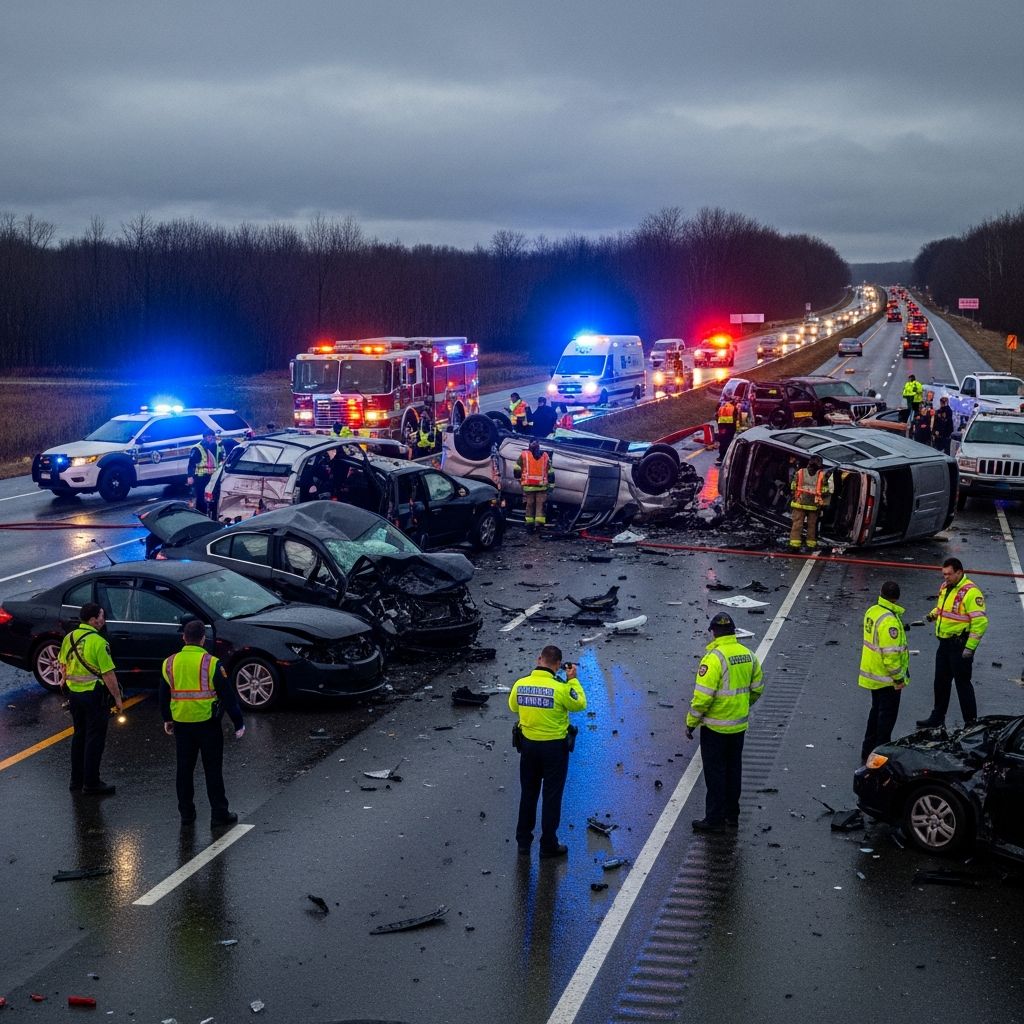
Chain reaction crashes, also known as multi-vehicle pile-ups, occur when one initial collision triggers a series of subsequent impacts, often on busy highways or during rush hour. These incidents can involve numerous drivers, vehicles, and insurers, complicating fault determination and claims processes. Understanding how to respond effectively can safeguard your health, preserve evidence, and strengthen your position for compensation.
Prioritizing Safety in the Immediate Aftermath
The moments following a chain reaction crash demand quick thinking to prevent further harm. First, activate hazard lights and attempt to move your vehicle to a safe shoulder if possible, without risking additional collisions. Assess your own condition and that of passengers, rendering aid where safe to do so.
- Check for visible injuries and call 911 if anyone appears seriously hurt, even if symptoms are delayed like whiplash or concussions.
- Avoid moving injured individuals unless immediate danger exists, to prevent aggravating spinal injuries.
- Direct traffic if feasible, using reflective triangles or flares from your emergency kit.
Adrenaline often masks pain, so even minor-seeming impacts warrant professional medical evaluation soon after. Delaying care not only risks health but weakens injury claims, as insurers scrutinize gaps in treatment records.
Comprehensive Scene Documentation Strategies
With multiple vehicles entangled, thorough documentation reconstructs the event sequence, crucial for liability disputes. Use your smartphone to capture wide-angle shots of the overall scene, then zoom in on specifics.
| Documentation Element | Why It Matters | Best Practices |
|---|---|---|
| Vehicle positions and damage | Shows impact order and force direction | Photos from multiple angles; note license plates, makes/models |
| Skid marks, debris, road conditions | Reveals speeds, braking attempts, hazards | Include measurements if possible; video for dynamic views |
| Traffic signals, signs, weather | Contextualizes contributing factors | Screenshot weather apps; note time of day |
Record the chain’s progression: which vehicle initiated contact? This visual timeline counters biased recollections. If unable due to injury, rely on first responders’ notes, but supplement personally later.
Collecting Vital Contact and Official Information
Exchange details calmly with all drivers involved, despite tensions. Obtain full names, phone numbers, emails, insurance cards, and vehicle registration.
- Secure witness names and contacts; their unbiased accounts can pinpoint the primary at-fault driver.
- Request the police report once filed, as it includes officer diagrams of the crash chain.
- Note responding officers’ badge numbers for follow-up.
Avoid admitting fault or speculating on causes—statements like “I should have braked sooner” can be twisted against you. Politely decline detailed discussions until consulting professionals.
Leveraging Technology and Expert Insights for Fault Analysis
Modern tools provide objective data in disputed chain reactions. Vehicle event data recorders (EDRs) capture speed, braking, and throttle pre-impact, often subpoenaed in litigation. Dashcams and nearby traffic cameras offer unfiltered footage, revealing the initiating vehicle’s negligence like tailgating or distraction.
Smartphone GPS logs movement patterns, while telematics in rideshares (e.g., Uber) may implicate commercial entities. Accident reconstruction experts analyze physics—impact angles, crush patterns—to apportion fault percentages.
Navigating Fault Determination in Multi-Party Crashes
Fault rarely falls on one party; most states employ comparative negligence, dividing liability by contribution. The rear-most driver striking first bears primary blame in typical rear-end chains, but preceding drivers’ failures (e.g., abrupt stops without cause) share responsibility.
- Primary Trigger: Speeding, DUI, or phone use by the lead striker.
- Contributing Factors: Inadequate following distance, poor visibility response.
- External Elements: Road defects, weather, or malfunctioning signals.
In pure comparative states, even 99% fault allows partial recovery; modified systems bar claims over 50-51%. Insurers apportion damages accordingly, but they minimize payouts—legal expertise ensures fair shares.
Medical Attention: Documenting Hidden Injuries
Chain reactions amplify forces through successive pushes, causing whiplash, fractures, or internal trauma. Seek ER evaluation immediately, followed by specialists for MRIs if needed.
Medical records link symptoms to the crash, countering “pre-existing condition” defenses. Track all treatments, prescriptions, and therapies for economic damages calculation.
Insurance Reporting and Negotiation Tactics
Report promptly to your insurer, providing facts without opinions on fault. Multiple policies intersect—your collision coverage, others’ liability—creating finger-pointing delays.
- Submit documented evidence alongside the claim.
- Decline recorded statements; consult an attorney first.
- Track all communications; demand written settlement offers.
Expect lowball offers; without representation, victims recover 40% less on average. Policy limits may exhaust quickly in pile-ups, triggering underinsured claims.
When to Engage a Personal Injury Attorney
These crashes demand legal pros for investigations, expert hires, and insurer battles. Attorneys secure higher settlements via negotiation or litigation, handling nuances like commercial vehicle involvement.
Most work contingency—no win, no fee—making consultation risk-free. Act swiftly; statutes of limitations (1-3 years typically) loom.
Common Damages and Compensation Recovery
Claims encompass medical bills, lost wages, pain/suffering, and property repairs. Multi-party fault complicates payouts, but thorough proof maximizes recovery.
| Damage Type | Examples | Proof Required |
|---|---|---|
| Economic | Bills, wage stubs, repair estimates | Receipts, employer letters |
| Non-Economic | Pain, emotional distress | Medical notes, journals |
| Punitive | Gross negligence (rare) | Police reports, witness testimony |
Frequently Asked Questions (FAQs)
Who is primarily at fault in a chain reaction crash?
The driver initiating the first collision typically holds primary liability, though shared fault applies based on each party’s actions.
Should I speak to other drivers’ insurance companies?
No—provide only basic info to your insurer; let an attorney handle others to avoid compromising your claim.
How long after a crash can injuries appear?
Days or weeks for soft-tissue issues like whiplash; always get checked promptly.
Can I recover if partially at fault?
Yes, in comparative negligence states, proportional to your non-fault share.
What if a commercial vehicle is involved?
Higher insurance minimums apply; pursue the company’s policy and potentially the driver personally.
Chain reaction crashes test resilience, but methodical responses empower victims. Prioritize safety, document meticulously, and seek expert guidance to navigate complexities toward just outcomes.
References
- Liability in Chain Reaction Car Accidents — Scholle Law. 2023-05-15. https://www.schollelaw.com/blog/liability-in-a-chain-reaction-car-accident
- Steps To Take After a Chain Reaction Accident — Washington Injury. 2024-02-10. https://washingtoninjury.com/what-steps-should-i-take-after-a-chain-reaction-accident/
- What to Do After a Chain-Reaction Vehicle Crash in Utah — Nelson Jones Legal. 2023-11-20. https://www.nelsonjoneslegal.com/blogs/7931/what-to-do-after-a-chain-reaction-vehicle-crash-in-utah
- Rear-Ended in a Chain-Reaction Crash: What To Do Next — PW CAttorneys. 2024-01-08. https://pwcattorneys.com/rear-ended-in-a-chain-reaction-crash-what-to-do-next-consulting-a-personal-injury-lawyer-in-virginia-beach/
- Who’s At Fault After A Chain Reaction Car Accident? — SGP Law. 2023-07-12. https://www.sgplaw.com/blog/who-s-at-fault-after-a-chain-reaction-car-accide/
- Who’s to Blame in a Chain Reaction Car Accident? — Sally Morin Law. 2024-03-05. https://www.sallymorinlaw.com/car-accidents/whos-to-blame-in-a-chain-reaction-car-accident/
Similar Articles








Read full bio of medha deb




