The Purpose and Significance of Case Management Conferences in Personal Injury Cases
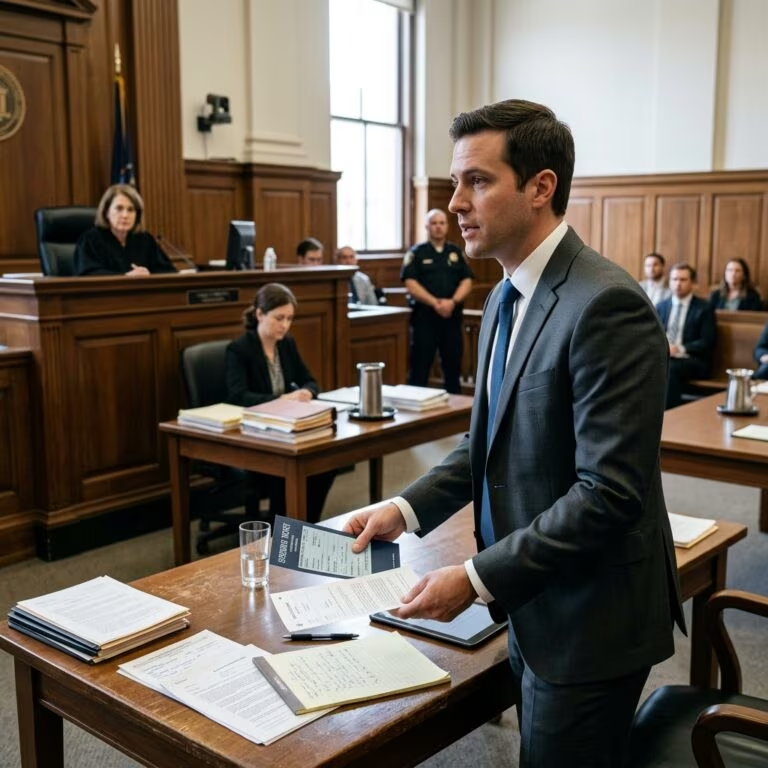
When a personal injury lawsuit is filed, the court system requires structured management to ensure the case progresses efficiently toward resolution. A case management conference (CMC) represents a pivotal procedural step where the judge, plaintiff’s attorney, and defendant’s legal team convene to establish the framework for how the lawsuit will unfold. This formal meeting serves as the first comprehensive discussion between all parties regarding the fundamental parameters and timeline of the litigation.
The primary objective of a CMC is to determine a mutually acceptable schedule that accommodates the discovery process, witness preparation, motion deadlines, and any pretrial conferences necessary before trial. Unlike settlement conferences that focus specifically on resolving disputes through negotiation, a case management conference addresses broader procedural matters that affect the entire case trajectory. The judge uses this opportunity to understand the nature and complexity of the dispute, identify potential legal or evidentiary issues that may arise, and establish expectations for how all parties will conduct themselves throughout the litigation process.
The significance of this conference extends beyond mere administrative coordination. By establishing clear guidelines and deadlines early in the litigation process, the CMC reduces the likelihood of procedural delays, prevents disputes over evidence exchange timelines, and promotes judicial efficiency. For personal injury plaintiffs, understanding what transpires during this meeting and preparing appropriately can substantially influence the case’s trajectory and ultimate outcome.
Scheduling and Timing Within the Litigation Timeline
The timing of a case management conference depends on several variables, including the court’s schedule, the jurisdiction where the lawsuit was filed, and the complexity of the particular case. Generally, courts schedule CMCs after the initial pleadings phase but before the bulk of discovery activities commence. This positioning allows the judge to establish discovery parameters while both parties still have flexibility in their litigation strategies.
In many jurisdictions, particularly state court systems, a CMC may occur relatively soon after the defendant files a response to the complaint. Some courts schedule these conferences within specific timeframes—for example, certain county courts may set a CMC within 60 days after the lawsuit is filed, while others may wait until after initial disclosures or preliminary motions are resolved.
The timing varies significantly by jurisdiction. In some regions, a compliance conference addressing procedural matters may precede the formal case management conference. In other jurisdictions, these functions may be combined into a single meeting. Understanding the specific procedural requirements of your jurisdiction is essential for adequate preparation and knowing what documentation and information to have readily available.
Importantly, the judge may modify the scheduled date if either party demonstrates good cause, such as pending motions that require resolution before the conference proceeds or circumstances affecting one party’s ability to participate meaningfully. However, delays in scheduling should be minimized, as prolonged case administration can increase litigation costs for all parties involved.
Mandatory Preparation Requirements and Meet-and-Confer Obligations
Before the actual case management conference takes place, the law typically requires both parties to engage in what is termed a “meet and confer” process. This prerequisite obligation mandates that the plaintiff’s attorney and the defendant’s counsel communicate directly—either in person or by telephone—at least 30 days before the scheduled conference. During these preliminary discussions, the attorneys must address various aspects of the case to reach agreements on procedural matters whenever possible.
The meet-and-confer process serves multiple functions. First, it allows both legal teams to identify areas of agreement before appearing before the judge, thereby streamlining the conference itself. Second, it demonstrates to the court that the parties have made good-faith efforts to resolve procedural disputes independently. Third, it can surface potential settlement opportunities or clarifications regarding factual disputes that may not have been immediately apparent from the initial pleadings.
Additionally, most jurisdictions require the submission of a Case Management Statement (CMS) or similar document at least 15 days before the conference. This statement should include information such as:
- A concise summary of the incident and the claims involved
- Clear articulation of liability positions and any areas of agreement or dispute
- Comprehensive medical documentation, including hospital records and healthcare provider notes
- Identification of expert witnesses who may testify at trial
- An assessment of case complexity and anticipated discovery needs
- The estimated value in controversy and any special damages claimed
- Proposed discovery schedules and deadlines
This advance filing requirement ensures that the judge enters the conference fully informed about the case’s particulars, enabling more productive discussions and informed rulings on procedural matters.
Key Topics Addressed During the Conference
During a case management conference, several critical topics typically receive attention from the bench and the participating attorneys. Understanding these focal points helps personal injury plaintiffs appreciate what will be discussed and why the outcomes matter.
Discovery Parameters and Schedules
The discovery process—wherein both parties exchange relevant documents, medical records, depositions, and other evidence—represents a significant portion of pretrial litigation. At the CMC, the judge works with both attorneys to establish reasonable deadlines for various discovery milestones. These may include deadlines for initial document production, scheduling of interrogatory responses, deposition dates, and expert witness disclosure timelines. By creating a structured discovery schedule, the court prevents one party from using discovery as a delay tactic or overwhelming the other side with unreasonable requests.
Expert Witness Coordination
In personal injury cases, expert testimony often plays a crucial role in establishing the extent of injuries, ongoing treatment needs, or liability in complex accident scenarios. The CMC provides an opportunity to discuss which experts each party intends to retain, the nature of their anticipated testimony, and deadlines by which expert reports must be exchanged. This advance coordination prevents surprise expert opinions from emerging at the last moment and allows both parties to prepare appropriate rebuttal testimony if necessary.
Motion Filing Deadlines
Throughout litigation, parties frequently file motions requesting the court to resolve preliminary matters—such as motions to dismiss claims, motions for summary judgment, or motions regarding the admissibility of certain evidence. The judge will establish deadlines by which such motions must be filed and responded to, ensuring that critical legal issues are resolved before trial rather than creating confusion or delays during trial proceedings.
Case Complexity Assessment
The judge uses the CMC to understand the genuine complexity of the dispute. A straightforward rear-end automobile collision with clear liability and documented medical injuries may require relatively modest discovery and shorter trial preparation timelines. Conversely, a complex construction site injury involving multiple defendants, ambiguous fault allocation, and significant permanent disability requires more extensive discovery, potentially greater numbers of expert witnesses, and longer preparation periods. By accurately assessing complexity, the court can allocate appropriate judicial resources and establish realistic timelines.
Disputed Issues and Evidentiary Concerns
Parties also use the CMC to notify the court of anticipated disputes regarding specific evidence or legal questions. For example, if one party intends to introduce evidence that the other party believes is inadmissible, raising this issue at the CMC allows the judge to establish a briefing schedule for resolving the admissibility question before trial. This proactive identification of disputes reduces courtroom surprises and promotes judicial efficiency.
Participant Attendance and Representation Requirements
While the judge, plaintiff’s attorney, and defendant’s attorney must attend the case management conference, the injured plaintiff typically does not participate in person. The conference focuses on procedural matters and litigation management rather than settlement negotiations or fact finding, so the judge and attorneys can generally handle these discussions without the plaintiff’s physical presence.
However, depending on the specific court rules and case circumstances, the judge may request or permit the plaintiff to attend if their presence would facilitate discussion of particular matters, such as the extent of ongoing medical treatment or specific damages issues. Plaintiffs should consult with their attorney regarding whether their attendance is expected or advisable in their particular jurisdiction.
Both the plaintiff’s and defendant’s legal counsel must come prepared with authority to make binding commitments regarding procedural matters discussed at the conference. This means having current information about the case status, realistic assessments of discovery timelines, and the ability to commit to proposed schedules on behalf of their clients.
Potential Conference Outcomes and Their Implications
Case management conferences can conclude with several different outcomes, each carrying distinct implications for the case’s forward progress.
| Outcome Type | Description | Implications for the Case |
|---|---|---|
| Complete Agreement on Procedures | Both parties accept the judge’s proposed schedule and procedural framework without modification | The case proceeds on the established timeline with clear expectations for all parties; reduces likelihood of future disputes over procedural matters |
| Partial Agreement with Modifications | Parties accept most proposed procedures but negotiate modifications to specific deadlines or discovery parameters | The case receives a customized procedural framework reflecting the parties’ actual needs; may require follow-up correspondence with the court for formal approval |
| Disagreement Requiring Judicial Resolution | Parties cannot reach consensus on significant procedural matters, necessitating the judge’s formal ruling | The judge issues binding orders establishing the disputed procedures; may indicate need for additional pre-trial conferences if conflicts persist |
| Scheduling of Additional Conferences | The judge determines that additional pretrial conferences will be necessary before trial | Multiple touchpoints with the court allow ongoing case management; may indicate case complexity or need for progress monitoring |
Strategic Considerations for Personal Injury Plaintiffs
Although plaintiffs typically do not attend the CMC, they should work closely with their attorneys to ensure adequate preparation for this important procedural meeting. Several strategic considerations warrant attention:
Realistic Assessment of Case Value
Plaintiffs should provide their attorneys with complete and accurate information about medical treatment, current symptoms, work loss, and other damages. This information informs the attorney’s assessment of case complexity and appropriate discovery scope, which directly affects the procedural framework established at the CMC.
Identification of Potential Challenges
If the plaintiff anticipates particular challenges—such as difficulty obtaining certain medical records, scheduling constraints affecting deposition availability, or the need for specialized expert witnesses—these issues should be communicated to the attorney well before the CMC. Advance notice allows the attorney to propose workable solutions during the conference.
Cooperation with Discovery Obligations
Once the CMC establishes discovery deadlines, plaintiffs must cooperate fully with their attorneys in meeting these obligations. Timely production of requested documents, availability for depositions, and prompt communication of information requests to medical providers ensures the case remains on schedule and prevents sanctions or adverse judicial rulings.
Settlement Readiness
While the CMC focuses on procedural matters rather than settlement, the judge may encourage settlement discussions if appropriate circumstances exist. Plaintiffs should discuss settlement parameters with their attorneys beforehand so the attorney can negotiate effectively if settlement opportunities arise.
Understanding Post-Conference Obligations and Next Steps
After the case management conference concludes, the judge typically issues a written order memorializing the agreed-upon procedures and deadlines. This order becomes binding on all parties and establishes the framework for case progression. The plaintiff’s attorney will communicate the key elements of this order to their client, explaining what happens next and what timelines apply.
Following the CMC, both parties begin executing the discovery plan established at the conference. This involves exchanging requested documents, responding to interrogatories, producing medical records, and scheduling depositions according to the agreed-upon timelines. The plaintiff should expect ongoing communication from their attorney regarding discovery matters and may be asked to participate in deposition preparation as trial approaches.
Depending on the case’s progression, the judge may schedule additional pretrial conferences to monitor case status, resolve emerging disputes, or facilitate settlement discussions. These subsequent conferences follow similar procedural patterns but may have narrower focuses depending on what issues require resolution.
Frequently Asked Questions About Case Management Conferences
Q: Will I be required to attend the case management conference?
A: In most personal injury cases, the plaintiff does not attend the CMC. Your attorney represents you at this procedural meeting. However, some judges may request your attendance if specific information about your case is necessary for the conference discussion. Check with your attorney regarding expectations in your jurisdiction.
Q: Can I communicate directly with opposing counsel during the meet-and-confer process?
A: While the meet-and-confer process occurs between attorneys, not the parties directly, you should keep your attorney informed of any communications you receive from the other side. Your attorney will conduct the procedural negotiations and discussions required by the meet-and-confer obligation.
Q: What happens if I cannot meet discovery deadlines established at the CMC?
A: If unexpected circumstances prevent you from meeting established deadlines, immediately inform your attorney. Your attorney may request a deadline extension from the court, though extensions are not guaranteed. Failure to comply with court-ordered deadlines can result in sanctions or adverse rulings against your case.
Q: Can the procedures established at the CMC be modified later?
A: Yes, but only with good cause. If circumstances change significantly after the CMC—such as discovery revealing unexpected complexity or unforeseen scheduling conflicts—your attorney may request a modification from the court. However, courts generally expect parties to comply with established schedules absent compelling reasons for changes.
Q: How long after the CMC will my case proceed to trial?
A: The timeline varies significantly based on case complexity, discovery scope, and court schedule. Some cases may proceed to trial within several months of the CMC, while others require 12-18 months or longer. Your attorney can provide a realistic estimate based on the specific procedures established at your CMC.
References
- Prepare for a case management conference — California Courts Self Help Center. 2025. https://selfhelp.courts.ca.gov/civil-lawsuit/prepare-trial/case-management
- Case Management Conference (CMC) — Ohio Injury Lawsuits. 2025. https://law-ohio.com/lawsuits-and-court/case-management-conference/
- What to Expect From a Personal Injury Settlement Conference — Horn Wright. 2025. https://www.hornwright.com/personal-injury/what-to-expect-from-a-personal-injury-settlement/
- Personal Injury Case Management Guide & Checklist — CasePeer. 2025. https://www.casepeer.com/blog/personal-injury-case-management-guide-and-checklist/
- Personal Injury Case Management: The Road to Recovery — KRW Lawyers. January 2025. https://www.krwlawyers.com/blog/2025/january/personal-injury-case-management-the-road-to-reco/
- What Happens During a Case Management Conference — BH Tampa. 2025. https://bhtampa.com/blog/happens-case-management-conference/