
Must You Carry ID Everywhere in America?
Unravel the truth about ID carrying laws in the US: when it's required, when you can say no, and smart ways to stay compliant.
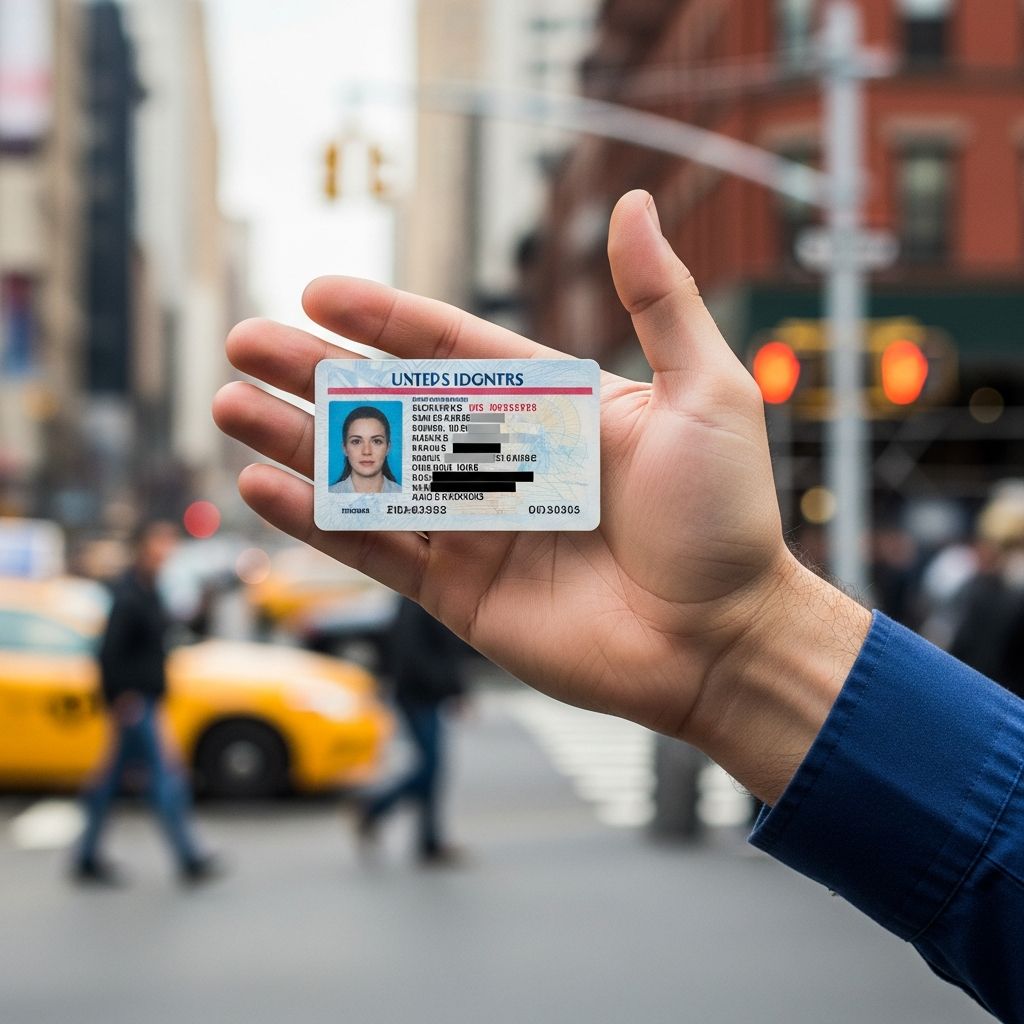
In the United States, the question of whether individuals must carry identification at all times often arises amid everyday interactions with law enforcement, businesses, and travel authorities. Contrary to popular belief, there is no federal law mandating that U.S. citizens or residents keep photo ID on their person continuously. This absence of a universal requirement stems from foundational principles of personal liberty and privacy enshrined in the Constitution. However, practical realities and specific legal contexts create situations where failing to produce ID can lead to denial of services, fines, or even arrest.
This comprehensive guide delves into the nuances of ID obligations across various scenarios, drawing from established legal precedents and current regulations. We’ll explore common types of identification, mandatory disclosure moments, instances where refusal is permissible, state-specific variations, and practical advice for navigating encounters. By understanding these distinctions, individuals can balance convenience, compliance, and constitutional protections effectively.
Common Forms of Identification in the US
While not required daily, several government-issued documents serve as primary proofs of identity. A driver’s license or state-issued non-driver ID card tops the list for most adults, offering photo verification, date of birth, and address details recognized nationwide. These are essential for routine verifications like banking or medical visits.
Passports provide a robust alternative, particularly for travel, though carrying one daily poses security risks due to theft potential. For non-drivers or younger individuals, state ID cards fill the gap without driving privileges. Emerging standards like REAL ID—marked by a star on compliant licenses—have become critical since enforcement began on May 7, 2025, for federal access points.
- Driver’s License/State ID: Ubiquitous for age checks, driving, and general proof.
- Passport/Passport Card: Federal gold standard for travel and secure facilities.
- Military/Trusted Traveler IDs: Specialized for veterans or frequent flyers.
Selecting the right ID depends on lifestyle: commuters prioritize driver’s licenses, while travelers opt for passports. Always verify compliance with REAL ID for post-2025 federal interactions.
Situations Demanding ID Production
Certain activities trigger legal obligations to display identification. Operating a motor vehicle universally requires a valid driver’s license on hand; all 50 states and D.C. classify driving without it as a misdemeanor or infraction, potentially leading to vehicle impoundment or license suspension.
Air travel imposes strict rules: Domestic flights now necessitate REAL ID-compliant documents or passports, enforced by the TSA and DHS since May 7, 2025. International departures demand passports exclusively. Entering federal buildings, military installations, or nuclear sites similarly mandates secure ID.
| Scenario | Required ID Type | Consequences of Non-Compliance |
|---|---|---|
| Driving | State Driver’s License | Fines, arrest, vehicle tow |
| Domestic Flight | REAL ID or Passport | Boarding denial |
| Federal Facility Access | REAL ID compliant | Entry refusal |
| Age-Restricted Purchase (Alcohol, Tobacco) | Any Photo ID with DOB | Sale denial |
Age-restricted sales, such as alcohol, firearms, tobacco, or pseudoephedrine-containing medications, compel retailers to request ID under federal and state laws. Pharmacies log purchases to curb misuse, making refusal tantamount to forgoing the item.
Your Rights: When ID Isn’t Required
Freedom from constant ID mandates preserves privacy, especially in casual public settings. Simply walking streets or parks imposes no duty to carry or show ID. Police encounters hinge on context: absent reasonable suspicion of criminal activity, officers cannot compel physical ID production nationwide.
In ‘stop and identify’ states—roughly 24 jurisdictions including Nevada, Illinois, and Indiana—verbal self-identification may be required if suspicion exists, but physical cards aren’t always mandated. As a vehicle passenger during routine traffic stops, no ID obligation applies unless independent probable cause emerges. Private entities like store security or bouncers lack governmental authority; compliance is voluntary unless store policy governs entry.
- Public Pedestrian Stops: No ID needed without articulable suspicion.
- Passenger in Traffic Stop: Refusal lawful sans crime link.
- Private Property: Business rules apply, not law.
Jury summons or hotel check-ins request but rarely enforce ID rigidly, though non-production may delay processes. Border crossings vary: land returns from Canada/Mexico might suffice with enhanced driver’s licenses.
Navigating Police Interactions: Key Strategies
Encounters with law enforcement test ID knowledge. If approached, calmly inquire: ‘Am I free to go?’ or ‘Am I being detained?’ Affirmative detention may invoke ‘stop and identify’ rules; negative allows departure. In non-mandate states, politely decline without physical ID, providing name if verbally required.
For felons under registration statutes, specialized cards must be shown on demand. Immigrants, particularly non-citizens, face heightened scrutiny; green card holders should carry proof of status at all times per federal regulation to avoid civil penalties.
De-escalation is paramount: remain composed, record interactions if safe, and invoke rights without argument. Post-incident, document details for potential legal review.
State Variations and Special Populations
Laws diverge by jurisdiction. ‘Stop and identify’ statutes cluster in the Midwest and West, obligating name disclosure under suspicion but varying on physical ID. Felony registrants in states like California must produce cards immediately.
Non-citizens, including visa holders, bear unique burdens: DHS advises constant lawful status proof. Minors typically rely on parental IDs for verifications. Recent REAL ID rollout standardizes federal access but leaves daily carry optional.
Practical Tips for Everyday Compliance
Though not legally compelled universally, carrying ID enhances convenience. Opt for wallet-sized state IDs or digital versions where apps like state DMV portals allow. Photocopies suffice rarely; originals prove authenticity.
Secure storage prevents loss: use RFID-blocking wallets for data protection. For travel, pack passports separately from daily kits. Update expired IDs promptly to avert issues.
- Carry driver’s license if operating vehicles.
- Verify REAL ID star for flights/federal sites.
- Know local ‘stop and identify’ status via state codes.
- For non-citizens: Always have immigration docs.
Frequently Asked Questions (FAQs)
Is there a national law requiring ID at all times?
No, the U.S. has no such federal mandate; requirements are situational.
What happens if stopped by police without ID?
You can ask if detained. If not, leave freely. In stop-and-identify states, provide name if suspected.
Do passengers need ID in traffic stops?
Generally no, unless linked to suspected crime.
When did REAL ID become mandatory for flights?
Enforcement started May 7, 2025, for domestic travel and federal access.
Can stores force ID for all purchases?
No, only for regulated items like alcohol or guns.
Empowering Yourself with Knowledge
Grasping ID laws empowers informed decisions, safeguarding rights while fulfilling duties. Consult state statutes or legal aid for personalized advice, as laws evolve. Proactive awareness turns potential hassles into seamless navigations.
References
- Do You Have to Show ID in the U.S.? Legal Rights, Requirements and Exceptions Explained — FODMAP Everyday. 2025-05-07. https://www.fodmapeveryday.com/do-you-have-to-show-id-in-the-u-s-legal-rights-requirements-and-exceptions-explained/
- Does the U.S. Require Citizens to Carry ID? — HowStuffWorks. 2023-08-15. https://people.howstuffworks.com/does-us-require-citizens-carry-id.htm
- Do you have to carry an ID in the US? — US Birth Certificates. 2024-11-20. https://www.usbirthcertificates.com/articles/carry-id-required-in-the-us
- REAL ID — Department of Homeland Security (Primary Official Source). 2025-04-01. https://www.dhs.gov/real-id
- Stop and Identify Statutes — National Conference of State Legislatures. 2025-02-14. https://www.ncsl.org/civil-and-criminal-justice/stop-and-identify-statutes
Similar Articles








Read full bio of Sneha Tete




