
Understanding Car Accident Realities: Separating Fact from Fiction
Discover the truth behind common car accident misconceptions and protect your legal rights.
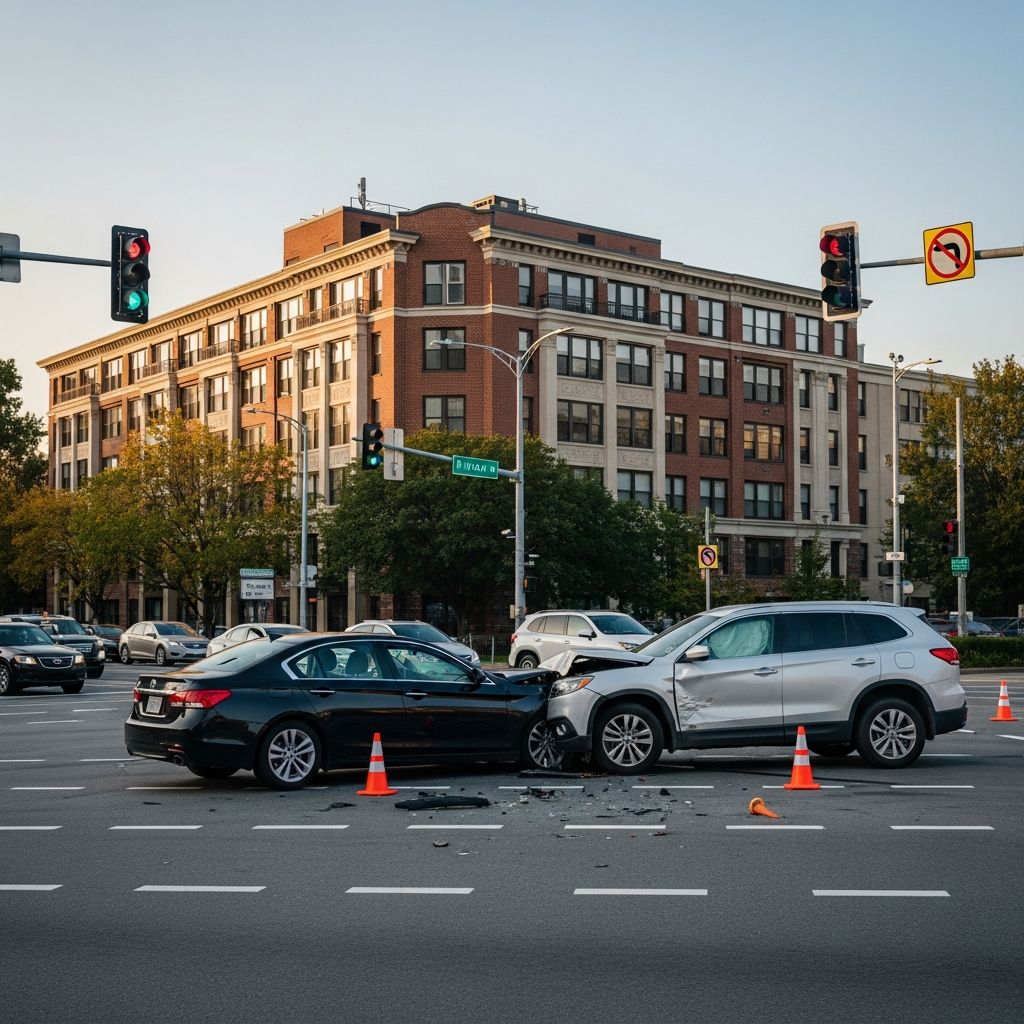
Debunking Pervasive Misconceptions About Vehicle Collisions
When a vehicle collision occurs, drivers often find themselves operating under assumptions that may compromise their legal position and financial recovery. The aftermath of an accident presents numerous decisions, and misinformation can lead to costly mistakes. Understanding the distinction between widely-held beliefs and actual legal realities becomes critical in protecting your interests. This comprehensive guide addresses the most damaging misconceptions that accident victims encounter, providing clarity on what truly matters when building a successful claim.
The Myth That Fault Determination Is Always Obvious
Many individuals operate under the assumption that if an accident occurred, the at-fault party is immediately identifiable and will readily accept responsibility. This oversimplification ignores the complexity of accident investigations and the strategic interests involved in insurance claim processing.
The reality involves multiple parties potentially disputing liability. Insurance adjusters conduct investigations that may reach different conclusions than what appears evident at the scene. Even when fault seems straightforward—such as when a driver runs a red light—the other party’s insurance company may dispute liability, claim comparative fault, or argue that contributing factors existed. Witness accounts vary, photographic evidence can be interpreted differently, and reconstruction experts may draw distinct conclusions from the same physical evidence.
Building a strong liability case requires comprehensive documentation collected immediately after the collision. This includes photographs of vehicle damage patterns, road conditions, traffic signals, and sight lines. Witness statements collected while memories remain fresh provide valuable corroboration. Without this evidence, proving fault becomes significantly more difficult, even when liability appears obvious to you.
The Misconception About Minor Accidents and Legal Necessity
A prevalent belief suggests that minor collisions—particularly fender benders—do not warrant legal consultation or formal claims. This assumption can result in individuals accepting inadequate compensation or missing the opportunity to address injuries that manifest later.
Low-speed impacts frequently produce injuries that develop gradually, including whiplash, soft tissue damage, and concussions. Medical symptoms may not appear immediately, emerging days or even weeks after the collision. Without early medical evaluation and documentation, establishing the causal link between the accident and subsequent injuries becomes problematic for insurance claims.
Additionally, minor accidents can involve hidden vehicle damage that becomes apparent only upon professional inspection. Structural damage may not affect immediate functionality but can compromise vehicle safety and resale value. Legal consultation early in the process ensures that all potential damages—both physical injuries and property harm—are properly assessed and documented, regardless of how minor the initial impact appeared.
The False Assumption That Insurance Companies Prioritize Fair Settlement
Many accident victims assume that insurance companies, bound by regulatory requirements and contractual obligations, will handle claims fairly and offer settlements reflecting full damages. This perspective underestimates the financial incentives driving insurance company behavior.
Insurance companies operate as for-profit entities motivated to minimize payouts. Initial settlement offers typically represent fractions of legitimate claim values, testing whether claimants will accept without negotiation. Insurance adjusters employ various tactics, including questioning injury severity, disputing medical causation, and citing policy limitations to justify lower offers.
The gap between initial offers and fair compensation widens substantially in cases involving significant injuries or complex liability questions. Claimants who accept first offers without professional representation frequently receive inadequate compensation that fails to cover full medical expenses, lost wages, and other legitimate damages. Legal representation equalizes this power imbalance, as experienced attorneys understand claim valuation methodology and possess leverage through litigation readiness.
The Belief That Immediate Medical Care Is Unnecessary Without Obvious Injuries
A common misconception holds that medical evaluation is discretionary when someone feels fine immediately following a collision. This dangerous assumption ignores established medical facts about delayed-onset injuries and the legal significance of medical documentation.
Adrenaline masking and shock can suppress pain perception for hours or days after an accident. Serious injuries including internal bleeding, organ damage, and neurological trauma may produce no immediate symptoms. Whiplash and concussions frequently develop gradually, with symptoms intensifying over subsequent days. Without prompt medical evaluation, critical injuries go undiagnosed and untreated, jeopardizing health outcomes.
From a legal perspective, medical records establish the injury-accident nexus essential for successful claims. Insurance companies scrutinize gaps between accident dates and medical visits, using delays to argue that injuries stem from unrelated causes. Immediate medical evaluation, documented in clinical records, creates the contemporaneous evidence necessary to support damage claims. Delaying medical care weakens both your health recovery prospects and your legal position.
The Misconception About Evidence Collection Responsibility
Some accident victims believe that if the other driver bears clear responsibility, they need not invest effort in collecting evidence at the scene. This passive approach overlooks how evidence documentation strengthens claims and protects against subsequent liability disputes.
Even in apparently straightforward fault situations, disputes emerge during claim processing. The at-fault driver may later dispute their responsibility, claim you contributed to the accident, or argue about injury severity. Police reports, while important, may lack detailed descriptions of vehicle damage, road conditions, or injury indicators. Witness contact information becomes invaluable when memories fade and insurance companies question your account.
Photographs of the accident scene—including vehicle damage, traffic signals, road markings, and environmental conditions—provide objective documentation that survives memory degradation and competing narratives. Video footage from nearby surveillance cameras or dashcams offers powerful corroboration. Collecting this evidence immediately, while the scene remains unchanged and witnesses remain available, creates a factual record that supports your claim regardless of subsequent disputes about liability.
The Assumption That Police Reports Suffice for Insurance Claims
Many individuals assume that the police accident report provides all necessary documentation for insurance claims and eliminates the need for additional evidence gathering. This misunderstanding underestimates the limitations of police reports and the evidence requirements for comprehensive claim support.
Police reports serve important functions in establishing basic facts and creating official records. However, police investigations occur under time constraints and without the investigative depth necessary for complex insurance claims. Officers may not interview all available witnesses, document detailed observations about vehicle damage patterns, or investigate medical implications of the collision.
Insurance companies frequently require evidence beyond police reports, including medical records demonstrating injury causation, repair estimates documenting property damage, and documentation of lost wages and other economic losses. Witness statements collected independently often provide more detailed information than police-recorded accounts. Photographs and videos taken at the scene preserve details that police documentation may omit. Building a comprehensive evidentiary record distinct from police reports strengthens your negotiating position and provides backup documentation if disputes arise.
Common Misconceptions About Settlement Dynamics
| Misconception | Actual Reality |
|---|---|
| First insurance offers represent fair value | Initial offers typically represent 20-40% of legitimate claim value; negotiation is standard |
| Accepting settlements quickly avoids complications | Quick acceptance often forecloses recovery for injuries manifesting later |
| Uninsured driver accidents eliminate recovery options | Your own insurance’s uninsured motorist coverage typically provides compensation |
| Partial responsibility eliminates compensation eligibility | Comparative fault jurisdictions allow recovery proportional to other party’s fault percentage |
The Misunderstanding About Legal Representation Necessity
Some accident victims believe that hiring attorneys is unnecessary when insurance companies offer settlements, viewing legal representation as an unwanted expense. This perspective overlooks how attorney involvement protects interests and frequently increases net recovery despite fee obligations.
Attorneys bring specialized knowledge of claim valuation, settlement negotiation strategies, and litigation readiness that individual claimants typically lack. They understand the tactics used by insurance companies to minimize payouts and possess the credibility to challenge inadequate offers. Legal representation signals to insurance companies that you will pursue litigation rather than accept unfavorable settlements, fundamentally changing negotiation dynamics.
Studies consistently demonstrate that claimants represented by attorneys recover substantially more than unrepresented claimants, frequently exceeding the contingency fee costs. Attorneys identify damages that claimants overlook, such as future medical expenses, permanent disability impacts, and lost earning capacity. They ensure that settlement agreements properly account for anticipated future needs rather than merely current damages. For injury claims beyond minor fender benders, legal representation typically increases total recovery despite fee implications.
The False Belief About Coverage Limits and Insurance Obligations
Many accident victims assume that the at-fault driver’s insurance will cover all their legitimate damages because insurance policies exist precisely to cover accidents. This assumption ignores policy coverage limits and the distinction between policy limits and actual damages.
Insurance policies establish maximum coverage amounts that insurers will pay for claims. In serious accidents involving significant medical expenses or permanent injuries, legitimate damages frequently exceed policy limits. When actual damages surpass policy limits, the injured party may pursue claims against the at-fault driver personally for the uncovered amount. However, individual drivers typically lack sufficient assets to satisfy judgments, rendering the excess damages uncollectable.
Additionally, uninsured or underinsured drivers create situations where the at-fault party’s coverage proves inadequate or nonexistent. Your own insurance policy’s uninsured/underinsured motorist coverage provides protection in these scenarios, but only if you proactively pursue those coverage provisions. Understanding your own policy coverage becomes essential for ensuring complete compensation when the at-fault party’s insurance proves insufficient.
The Misconception That Discussing the Accident Details Is Advisable
Some accident victims believe they should provide detailed explanations to insurance company representatives, viewing cooperation and honesty as strategies to facilitate fair claim resolution. This misunderstanding ignores how detailed statements can be used against claimants during settlement negotiations.
Insurance company representatives are trained to extract statements that support lower valuations of your claim. Detailed explanations may inadvertently include admissions that could be interpreted as comparative fault assignment, contradictory or imprecise injury descriptions, or statements that later contradict medical findings. Even innocent explanations can be strategically reframed to suggest claimant overstatement or injury exaggeration.
Appropriate accident discussion involves providing basic factual information necessary for claim initiation—names, insurance details, and incident location—while declining to provide detailed explanations regarding fault, injuries, or damage. Directing detailed questions to your attorney protects your interests while maintaining necessary communication with insurance companies. This approach does not constitute dishonesty; rather, it recognizes that detailed cooperation often disadvantages claimants in adversarial insurance interactions.
Frequently Asked Questions About Car Accident Claims
Q: Do I need to file a police report after every accident?
A: While not legally required in all jurisdictions for minor accidents, police reports create official documentation valuable for insurance claims. In serious accidents or situations involving injuries, police reports are essential. Even for minor incidents, police documentation strengthens your claim by establishing official records of accident details.
Q: How quickly must I notify my insurance company after an accident?
A: Most insurance policies require notification within 24-48 hours of an accident. Prompt notification protects your coverage and demonstrates cooperation with your insurer. Delaying notification may provide grounds for claim denial, so contact your insurance company immediately after ensuring everyone’s safety.
Q: Can I still pursue a claim if I was partially responsible for the accident?
A: Yes, in most U.S. jurisdictions. Comparative fault laws allow recovery proportional to the other party’s responsibility percentage. If you bear 20% fault, you can typically recover 80% of your damages. Some jurisdictions apply modified comparative fault rules with fault percentage thresholds, but partial responsibility does not automatically eliminate compensation eligibility.
Q: What should I do if the other driver lacks insurance?
A: Your own insurance’s uninsured motorist coverage typically provides compensation. This coverage protects you when the at-fault driver lacks insurance or carries insufficient coverage. Contact your insurance agent immediately to file a claim under this provision and understand your coverage limits and deductibles.
Q: How long can I wait to file a claim after an accident?
A: Most jurisdictions impose statutes of limitations—typically 2-4 years—for personal injury claims. However, delaying claim filing weakens evidence strength, as witness memories fade and documentation degrades. File claims promptly after accidents to preserve evidence integrity and ensure quick resolution.
Q: Should I accept the insurance company’s first settlement offer?
A: Almost never. Initial offers typically represent significantly less than fair claim value. Negotiate, provide additional documentation supporting your damages, and consider legal representation before accepting settlements. Accepting early offers frequently results in inadequate compensation that fails to cover all legitimate damages.
References
- Motor Vehicle Crash Injuries: Scope, Impact, and Countermeasures — Centers for Disease Control and Prevention. 2024. https://www.cdc.gov/transportationsafety/motor_vehicle_safety/index.html
- Traffic Safety Facts: Understanding the Role of Driver Behavior in Crash Causation — National Highway Traffic Safety Administration (NHTSA). 2024. https://www.nhtsa.gov/risky-driving
- Personal Injury Protection and Uninsured Motorist Coverage: State Requirements and Protections — National Association of Insurance Commissioners (NAIC). 2024. https://www.naic.org/
- Comparative Negligence and Fault Assessment in Motor Vehicle Accidents — American Bar Association, Section of Litigation. 2023. https://www.americanbar.org/groups/litigation/
- Whiplash and Low-Velocity Impact Injuries: Clinical Recognition and Documentation — Journal of the American Academy of Orthopaedic Surgeons. 2023. https://journals.lww.com/jaaos/
Similar Articles








Read full bio of Sneha Tete




