
Can Green Card Holders Vote in US Elections?
Discover if permanent residents with green cards can participate in US voting, exceptions, risks, and the path to citizenship for full electoral rights.
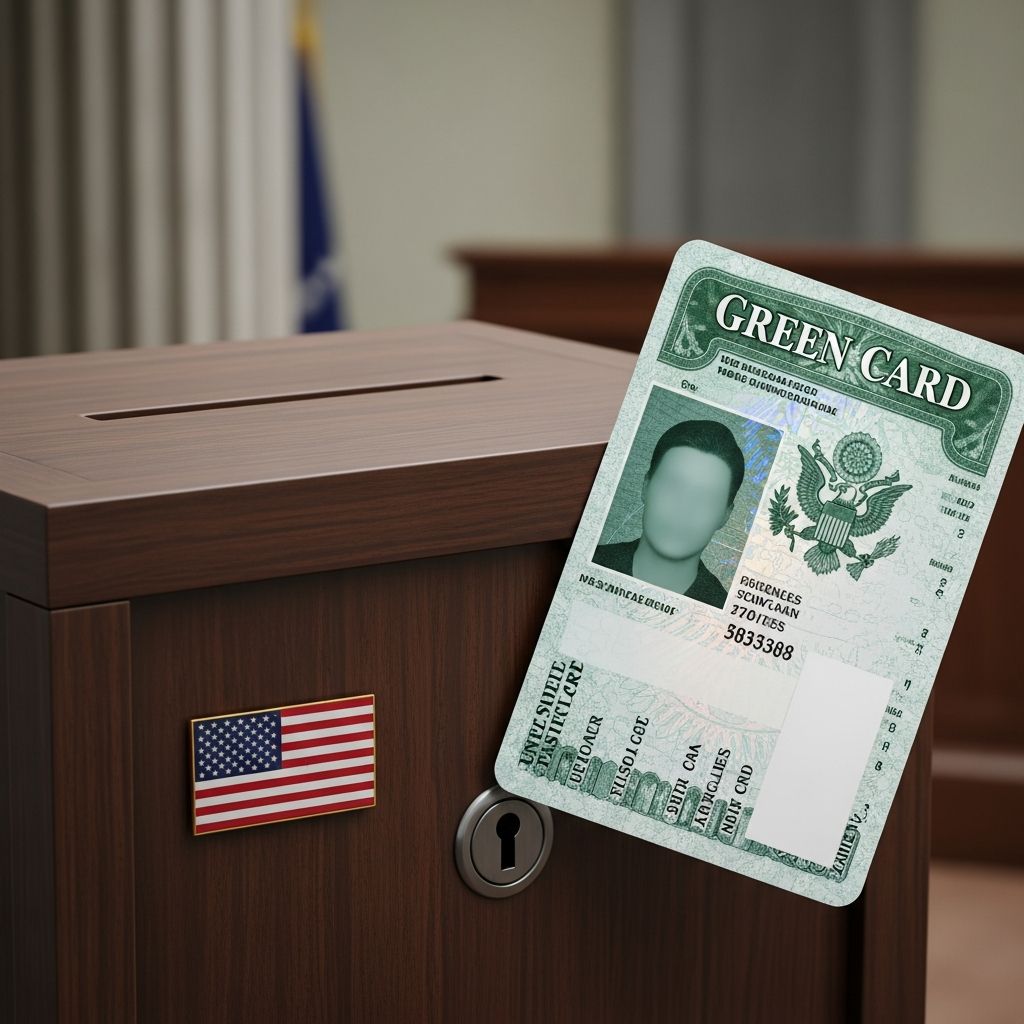
Permanent residents holding green cards enjoy many benefits in the United States, such as the right to live and work indefinitely. However, when it comes to participating in the democratic process through voting, strict limitations apply. In nearly all cases, green card holders are prohibited from voting in federal, state, and most local elections. This article delves into the legal framework, rare exceptions, potential consequences of violations, and the steps to achieve citizenship for full voting privileges.
Understanding Voting Eligibility in the United States
The foundation of voting rights in America is rooted in citizenship. Federal law mandates that only U.S. citizens who are at least 18 years old on Election Day, meet state residency requirements, and are not disqualified due to certain felonies or mental incapacity can register and vote in national elections. Green card holders, classified as lawful permanent residents (LPRs), do not meet the citizenship criterion, making them ineligible for these polls.
State laws align with this federal standard. For instance, California requires voters to be U.S. citizens residing in the state, at least 18 years old, and not serving a prison term for a felony conviction. This uniformity underscores that permanent residency, while a significant status, falls short of the allegiance and rights associated with citizenship.
Rights of Permanent Residents Versus Citizens
Green card holders possess substantial privileges, including employment authorization, access to public benefits after meeting residency periods, and protection under U.S. laws. They can own property, attend public schools, and even sponsor certain family members for immigration. Yet, voting remains exclusively a citizen’s right, reflecting the principle that electoral influence over national policy requires full commitment to the country.
- Key Rights for LPRs: Live permanently, work without restrictions, travel abroad (with reentry permit), apply for citizenship after 5 years.
- Prohibited Actions: Voting in federal/state elections, running for most public offices, serving on federal juries.
This distinction preserves the integrity of elections while encouraging immigrants to pursue naturalization for complete civic engagement.
Rare Local Exceptions for Non-Citizen Voting
While federal and state elections are off-limits, a handful of municipalities permit green card holders to vote in hyper-local matters, such as school board or city council races. These allowances stem from state constitutions or ordinances that decoupled local votes from federal ones, as permitted under U.S. public laws allowing non-citizens to participate in elections “conducted independently” of federal offices.
Examples include select towns in Vermont, where non-citizens can influence community decisions. San Francisco has debated similar measures for school board elections. However, these are outliers; a 2021 New York City law permitting non-citizen voting in municipal elections was overturned by courts for violating the state constitution. Always verify with local election offices, as rules evolve and courts frequently challenge expansions.
| jurisdiction | Allowed Votes | Status |
|---|---|---|
| Vermont (Burlington, Montpelier, Winooski) | Local/school board | Active |
| New York City | Municipal | Struck down (2022) |
| San Francisco (proposed) | School board | Under review |
The Path to U.S. Citizenship and Voting Rights
To vote unrestrictedly, green card holders must naturalize. The process demands at least five years as a permanent resident (three if married to a U.S. citizen), continuous residence, physical presence for 30 months, basic English proficiency, knowledge of U.S. history and government, and good moral character. Applicants file Form N-400 with USCIS, pass interviews, and take the Oath of Allegiance.
Once naturalized, new citizens can immediately register to vote via vote.gov and participate in all elections. This journey not only unlocks voting but also protects against deportation and enables passport acquisition.
Serious Penalties for Unauthorized Voting
Attempting to vote as a non-citizen carries severe repercussions under the Illegal Immigration Reform and Immigrant Responsibility Act of 1996. Even unintentional voting can trigger fines, imprisonment, deportation proceedings, and permanent bars to reentry or citizenship. Immigration authorities cross-check voter rolls, making violations traceable.
Election officials may overlook errors, but USCIS reviews naturalization applications rigorously. A voting record could derail approval, emphasizing the need for caution.
Frequently Asked Questions (FAQs)
Can green card holders vote in presidential elections?
No, only U.S. citizens can vote in federal elections, including presidential races.
Are there any states where permanent residents can vote?
No states allow it for state or federal elections, but some towns permit local voting.
What happens if a green card holder votes by mistake?
It may lead to fines, jail time, loss of status, or deportation; consult an immigration attorney immediately.
How long after getting a green card can I apply for citizenship?
Typically 5 years, or 3 years if married to a U.S. citizen.
Can I vote in my home country’s elections as a green card holder?
Yes, many countries allow absentee voting abroad without affecting U.S. residency.
Navigating Elections as a Permanent Resident
Beyond voting, green card holders can engage civically by volunteering, donating to campaigns (with limits), or advocating through community groups. Understanding these boundaries fosters compliance and long-term integration.
With elections shaping policies on immigration, healthcare, and economy—issues directly impacting LPRs—pursuing citizenship becomes a strategic step. Resources like USCIS.gov and Vote.gov provide updates.
This guide equips permanent residents with knowledge to avoid pitfalls and plan ahead. For personalized advice, consult accredited immigration counsel.
References
- Who Can Vote in the US? — USA.gov. 2024. https://www.usa.gov/who-can-vote
- Can Green Card Holders Vote in U.S. Elections? What You Need to Know — Vanderwall Immigration. 2023-11-01. https://www.vanderwallimmigration.com/blog/can-green-card-holders-vote-in-u-s-elections-what-you-need-to-know/
- Who Can Vote in California — California Secretary of State. 2024-09-15. https://www.sos.ca.gov/elections/voting-resources/voting-california/who-can-vote-california
- Can Green Card Holders Vote – Guide for Permanent Residents — Wise. 2024. https://wise.com/us/blog/can-green-card-holders-vote
- Voting as a new U.S. citizen — Vote.gov. 2024. https://vote.gov/guide-to-voting/new-united-states-citizen
Similar Articles








Read full bio of Sneha Tete




