
Can Airlines Remove You for Your Outfit?
Discover if airlines can legally deny boarding over clothing choices and what dress codes mean for travelers today.
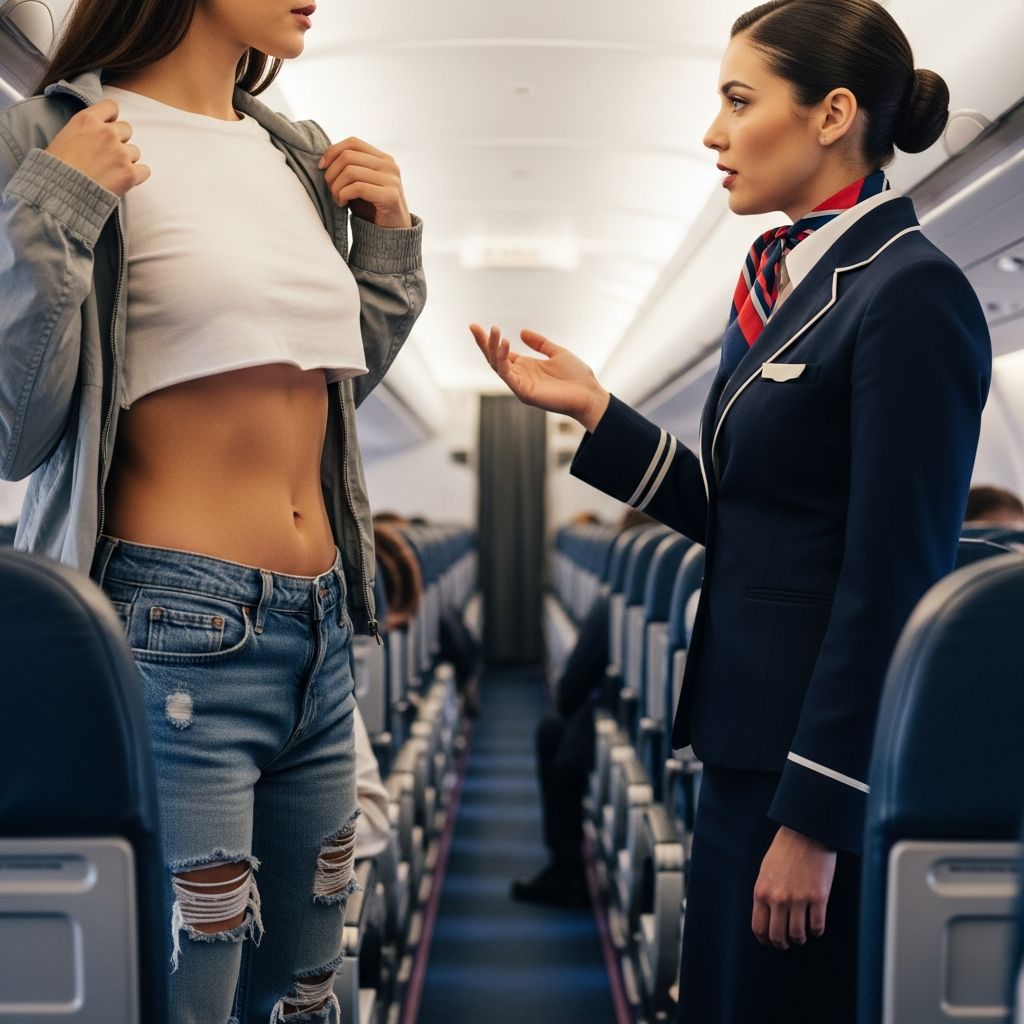
Airlines hold significant authority to refuse boarding or remove passengers based on attire, rooted in their contracts of carriage and federal regulations that prioritize safety and passenger comfort. This power stems from the U.S. Department of Transportation’s allowance for carriers to set reasonable conduct standards, including clothing that could offend or disrupt others.
Legal Foundation of Airline Dress Policies
Federal law grants airlines broad discretion over passenger conduct, including dress. The U.S. Code of Federal Regulations (14 CFR § 382.11) permits removal for behaviors creating ‘unreasonable risk of offense,’ which courts have upheld as including inappropriate clothing. Carriers’ contracts of carriage, legally binding ticket agreements, explicitly outline prohibited attire like lewd, obscene, or revealing garments.
This authority balances individual freedoms with collective flight safety. For instance, the Federal Aviation Administration emphasizes maintaining a non-disruptive environment, justifying airline interventions. Passengers accept these terms upon booking, making challenges rare unless discrimination is proven.
Major U.S. Airlines’ Specific Dress Rules
Each carrier defines ‘appropriate’ differently, often vaguely to allow staff discretion. Here’s a breakdown:
| Airline | Key Prohibitions | Consequences |
|---|---|---|
| Spirit Airlines | Barefoot, see-through clothes, exposed private parts, lewd/obscene items or body art | Denied boarding, no refund |
| American Airlines | Bare feet, offensive clothing | Removal until compliant |
| Hawaiian Airlines | Bathing suits without cover, speedos/bikini bottoms, lewd/obscene attire, no shoes | Prohibited boarding |
| Southwest Airlines | Lewd, obscene, offensive clothes; must wear shoes | Removal at discretion |
| United Airlines | Improperly clothed, lewd/obscene/offensive; shoes required | Denied access |
| Delta Airlines | Attire causing offense or annoyance | Possible removal |
These policies, updated frequently—like Spirit’s January 2024 clarification—reflect responses to incidents and passenger feedback.
International Carriers’ Stricter Standards
Overseas airlines often impose rigorous codes, especially premium classes. Qatar Airways mandates ‘smart casual’ for business/first: no shorts, sportswear, or revealing outfits, varying by destination cultural norms. Virgin Australia requires footwear, bottom coverage, shirts, and bans offensive graphics, leaving ‘offensive’ subjective.
These reflect global diversity; Middle Eastern carriers may enforce modesty, while European ones focus on professionalism. Travelers should review policies pre-flight via airline websites.
Real-Life Incidents of Attire-Based Removals
High-profile cases highlight enforcement. A telemedicine doctor and her son were deplaned by American Airlines for a romper deemed too revealing; she reboarded after covering with a blanket. No specific romper ban exists, but ‘offensive’ applied.
Spirit Airlines tightened rules after barring passengers in shorts or crop tops. A viral video showed a woman removed for short shorts, deemed ‘inadequately clothed.’ Hawaiian Airlines rejected bathing suits sans cover, emphasizing torso coverage.
These subjective calls spark debate: one passenger’s casual is another’s offensive, leading to social media backlash and policy clarifications.
TSA Screening and Clothing Choices
Transportation Security Administration (TSA) rules intersect with airlines. While TSA doesn’t ban outfits outright, problematic clothing triggers delays:
- Baggy or layered clothes: May require pat-downs to check for hidden items.
- Outerwear: Jackets, hoodies, sweaters must be removed; wear base layers underneath.
- Offensive prints: Political, profane, or violent imagery risks airline denial post-TSA.
- Revealing fabrics: See-through or skimpy attire flags as ‘inadequate’ by airlines.
TSA prioritizes security; airlines handle comfort. Baggy pants or flowy skirts extend screening, per TSA guidelines.
Why Airlines Enforce These Rules
Policies protect diverse passenger groups, preventing discomfort or conflicts. Crew training identifies risks early. Post-pandemic casual trends—pyjamas, athleisure—prompt pushback; U.S. Transportation Secretary’s ‘Golden Age’ initiative urged polished looks amid backlash.
Legal precedents affirm: airlines aren’t common carriers liable for all whims but private entities enforcing contracts. Discrimination claims (e.g., race-based enforcement) can lead to DOT investigations, but attire alone rarely succeeds.
Passenger Rights When Denied for Attire
If removed, rights are limited. Contracts waive refunds for policy violations. DOT mandates 24-hour notice for significant changes, but attire falls under conduct. File complaints via airline sites or DOT (dot.gov/airconsumer) for review. EU/UK passengers gain more via Regulation 261/2004, but U.S. lags.
Success stories: Apologies and vouchers post-viral complaints, but prevention trumps reaction.
Practical Advice: Dress Smart for Smooth Boarding
Avoid hassles with these tips:
- Opt for fitted, opaque clothes covering torso, bottoms, private areas.
- Wear closed-toe shoes; pack slippers for flight.
- Steer clear of profanity, weapons imagery, politics on apparel.
- Layer properly: T-shirt under hoodies for TSA.
- Check airline contract pre-booking; carry cover-up (blanket, pants).
- For premium: Business casual—no shorts, athletic wear.
Pack a change in carry-on for surprises.
Frequently Asked Questions
Can I wear shorts on a plane?
Yes, most U.S. airlines allow shorts if not ‘inadequately revealing’ (e.g., covering buttocks). International varies; Qatar bans in premium.
Are crop tops allowed?
Risky—deemed exposing midriff by some crews, leading to denials like Spirit cases.
What if my outfit offends someone?
Airlines decide subjectivity; comply or risk removal without refund.
Do pajamas get you kicked off?
Not banned but may flag as ‘inadequate’; recent campaigns discourage.
Can I challenge a dress code denial legally?
Hard—contracts bind; sue only for discrimination with evidence.
Future of Air Travel Attire Norms
Trends suggest tightening: Spirit’s updates signal industry shift. Social media amplifies incidents, pressuring clarity. As travel rebounds, expect apps for policy checks and AI attire scans, balancing freedom and harmony.
Budget carriers lead strictness; premiums push elegance. Travelers adapt via informed choices, ensuring trips takeoff smoothly.
References
- Dressed to Fly: Why Airport Attire Matters More Than You Think — Skycop. 2024-01-22. https://www.skycop.com/news/passenger-rights/dressed-to-fly-airport-attire-matters/
- As airlines button-up dress codes, these clothes will get you kicked… — Fox News. 2024. https://www.foxnews.com/travel/airlines-dress-codes-these-clothes-kicked-off-flight
- NEW Airport Dress Code Rules are Catching Travelers Off Guard — YouTube (Travel Tips Channel). 2024. https://www.youtube.com/watch?v=NvHzCjC04xM
- The new rules of dressing up for the plane — The Independent. 2024. https://www.the-independent.com/life-style/airport-fashion-dress-up-sean-duffy-dress-code-b2882704.html
- TSA Clothing Rules and Regulations: Locum Tenens Travel Tips — Barton Associates. 2024. https://www.bartonassociates.com/blog/tsa-rules-and-regulations-avoid-wearing-these-6-items/
Similar Articles








Read full bio of medha deb




