
Business Liability for Package Theft Risks
Understand when businesses face liability for stolen deliveries and how to protect against porch piracy claims.
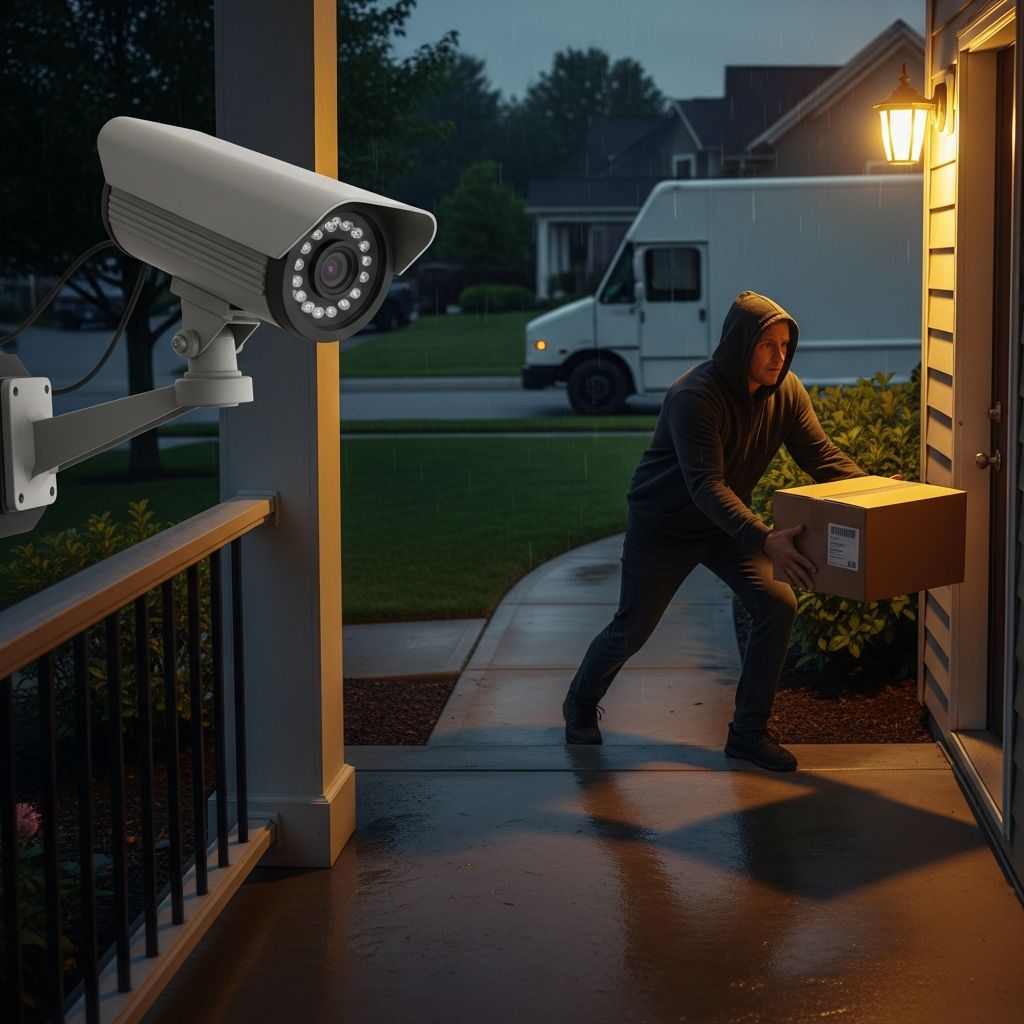
Package theft, commonly known as porch piracy, poses significant challenges for businesses relying on home deliveries. Small enterprises must navigate complex liability questions when customers report missing shipments after delivery. This article explores legal obligations, insurance protections, preventive measures, and recent legislative responses to help owners minimize exposure.
Understanding Liability in Delivery Chains
Businesses shipping products bear primary responsibility for ensuring goods reach customers intact. However, once carriers like UPS, USPS, or FedEx mark a package as delivered, liability often shifts. Carriers typically disclaim financial responsibility post-delivery, directing affected parties back to the seller. For instance, UPS policy requires customers to contact the sender for traces or claims, explicitly stating no reimbursement for successfully delivered items.
USPS follows a similar stance: no indemnity for losses after delivery, even for insured mail. This leaves merchants as the frontline responders, potentially facing refund demands or disputes. In marketplaces like Amazon, protections exist via guarantees, but third-party sellers must still coordinate resolutions.
Legal Standards for Business Accountability
Courts assess liability based on delivery contracts, carrier terms, and state laws. Merchants aren’t automatically liable if theft occurs post-delivery on private property. Customers must prove negligence, such as failing to use secure methods when available. High-value shipments or repeated incidents may trigger stricter scrutiny.
- Contractual Agreements: Sales terms often specify delivery points, like curbside, absolving businesses from porch risks.
- Negligence Claims: Rare successful suits require evidence of foreseeability and inadequate precautions.
- Consumer Protection Laws: Vary by jurisdiction; some mandate refunds under unfair trade practices.
Businesses should review carrier contracts and include clear shipping policies on websites to define responsibilities.
Insurance Coverage for Stolen Shipments
General liability insurance protects against third-party claims like customer injuries or property damage but excludes theft of business or customer goods. For outbound packages, merchants need cargo or product liability add-ons. Commercial property insurance covers theft from premises via business personal property (BPP) endorsements, reimbursing stolen inventory.
| Insurance Type | Covers Theft? | Key Details |
|---|---|---|
| General Liability | No | Customer injuries, third-party damage; not business property theft |
| Commercial Property/BOP | Yes (with BPP) | Stolen inventory, equipment after break-ins; limits match declared value |
| Crime Insurance | Yes | Employee theft, fraud; optional endorsement |
| Cargo/Transit | Yes | In-transit losses before final delivery |
Steps post-theft include filing police reports, documenting evidence, and notifying insurers promptly. BOPs bundle liability and property coverage, ideal for small firms without buildings.
Preventive Strategies to Reduce Theft Exposure
Proactive steps lower risks and demonstrate due diligence. Delivery firms offer alternatives like lockers: FedEx Hold at Location redirects to retailers, Amazon Lockers enable secure pickups, and UPS Access Points provide business collection sites.
- Implement signature requirements for valuables.
- Offer tracking and delivery rescheduling apps.
- Partner with services for secure drop-offs.
- Use discreet packaging to avoid highlighting contents.
Businesses can also advise customers on safe practices, such as home surveillance or neighbor notifications, strengthening defenses against claims.
Evolving State Laws Against Porch Piracy
Legislatures are toughening penalties to deter thieves. Texas escalated sentences to 10 years imprisonment and fines up to $10,000. Michigan’s tiered system treats repeats as felonies with five-year terms, especially for mail fraud. Oklahoma’s HB 2777 imposes 2-5 years for multiples.
Pending bills in California, Utah, New Jersey, and Georgia propose distinct offenses, felony upgrades, and fines to $15,000. These trends signal stricter enforcement, potentially aiding businesses in disputes by classifying theft as serious crime.
Handling Customer Disputes Effectively
When theft occurs, swift action preserves trust. Issue refunds or replacements promptly for loyalty. Require police reports for claims over thresholds. Document all interactions to counter disputes.
Train staff on protocols: verify delivery proofs, review footage if available, and escalate to legal if fraud suspected. Clear return policies mitigate chargebacks.
Future Trends in Delivery Security
Technology promises advancements: drone deliveries with pinpoint accuracy, AI-monitored drops, and blockchain tracking. Retail theft surges—93% since pre-COVID per National Retail Federation—underscore urgency. Businesses adopting innovations gain edges in compliance and customer satisfaction.
85% of small firms face theft yearly, per Capital One Shopping, emphasizing comprehensive planning.
Frequently Asked Questions
Is my business automatically liable for porch theft?
No, liability hinges on delivery terms and proof of negligence. Carriers shift responsibility post-delivery.
Does general liability cover stolen packages?
No, it excludes business property theft; opt for BPP or cargo coverage.
What should I do if a customer reports a stolen package?
Request police report, verify delivery, then process refund or replacement per policy.
Are there laws making package theft a felony?
Yes, in states like Texas, Michigan, and Oklahoma for repeats or high values.
How can I prevent delivery theft claims?
Use lockers, signatures, tracking, and customer education.
Building a Theft-Resilient Operation
Integrate insurance reviews annually, audit shipping practices, and monitor legal updates. Diversify carriers and methods for resilience. Educate teams on risks—tools from sites, shoplifted goods, or cyber fraud all demand vigilance.
By prioritizing prevention and coverage, businesses transform theft threats into manageable aspects of e-commerce growth. Comprehensive policies not only recover losses but signal professionalism, fostering enduring customer relationships.
References
- Who is Responsible for Package Theft and What is Being Done About It — Adoorn. 2023. https://www.adoorn.com/blogs/news/who-is-responsible-for-package-theft-and-what-is-being-done-about-it
- Is Theft Covered Under Your Business Insurance Policy? — Bethany Insurance. 2024. https://bethanyins.com/is-theft-covered-under-your-business-insurance-policy/
- Does General Liability Insurance Cover Theft? — Insureon. 2025. https://www.insureon.com/small-business-insurance/general-liability/does-general-liability-cover-theft
- Does Liability Insurance Cover Theft? — GEICO. 2024. https://www.geico.com/information/aboutinsurance/business/does-liability-insurance-cover-theft/
- Does General Liability Cover Theft? Business Insurance Facts — Next Insurance. 2025. https://www.nextinsurance.com/general-liability-insurance/edu/does-general-liability-cover-theft/
- Does Business Insurance Cover Theft? How to Protect and Prevent — Next Insurance. 2025. https://www.nextinsurance.com/commercial-property-insurance/edu/does-business-insurance-cover-theft/
Similar Articles








Read full bio of medha deb




