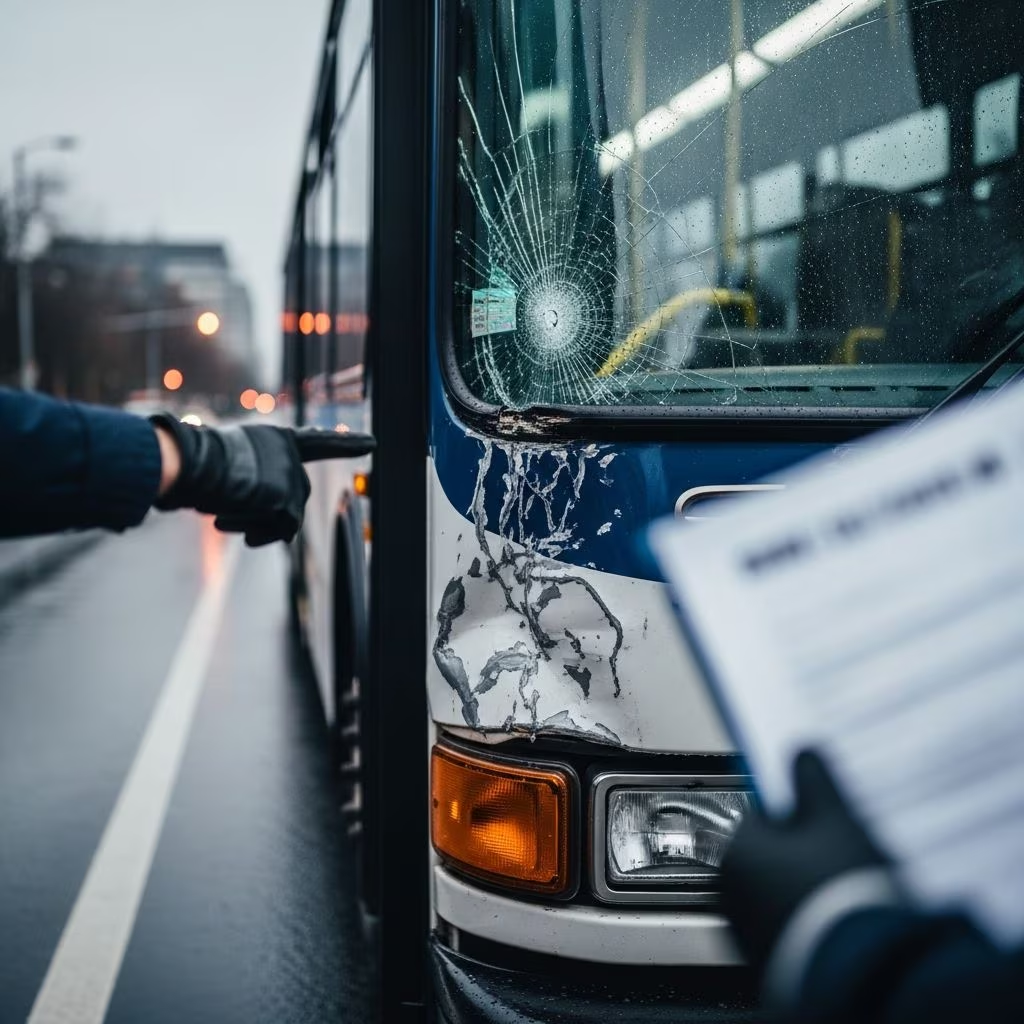
Bus accidents can result in severe injuries for passengers, pedestrians, and other motorists, often due to the size and weight of these vehicles. Understanding your legal position is crucial for securing compensation. This article explores liability, evidence, damages, special rules, and timelines to help victims navigate claims effectively.
Understanding Liability in Bus Accidents
Bus operators function as common carriers, meaning they must exercise the utmost care to ensure passenger safety, a higher standard than typical drivers. This elevated duty arises because passengers entrust their safety to the carrier in exchange for fare.
Multiple parties may share responsibility:
- Bus Driver: Negligence like speeding, distracted driving, or fatigue often causes crashes.
- Bus Company: Failure to maintain vehicles, inadequate training, or overloading can lead to liability.
- Third Parties: Other motorists, pedestrians, or even unruly passengers may contribute if their actions cause harm.
- Government Entities: Public transit agencies like MTA face sovereign immunity limits but can be sued under specific procedures.
In New York, plaintiffs must prove fault by at least 51% under comparative negligence rules, with bus drivers receiving some leeway in jury instructions.
Gathering Critical Evidence Post-Accident
Immediate action preserves your claim. Document everything thoroughly to build a strong case against the responsible parties.
| Evidence Type | Purpose | How to Collect |
|---|---|---|
| Scene Photos/Videos | Shows crash dynamics, vehicle damage, road conditions | Use phone; capture angles, skid marks, signals |
| Medical Records | Proves injury extent, treatment timeline | Request from providers; include bills, diagnoses |
| Witness Contacts | Corroborates your account | Note names, phones; ask for statements |
| Police/Incident Reports | Official record of events | Obtain copy from responding agency |
| Employment Proof | Demonstrates lost wages | Gather pay stubs, tax returns, employer letters |
Avoid admitting fault to police or insurers, as this can undermine your case. No-fault benefits in states like New York cover initial medical and wage losses via personal injury protection (PIP), but serious injuries allow lawsuits beyond no-fault.
Types of Compensation Available
Injured parties can recover both economic and non-economic damages to address accident impacts.
- Economic Damages: Tangible losses like medical bills (hospital, surgery, therapy), lost wages, future earning capacity reduction, and property damage.
- Non-Economic Damages: Intangible harms such as pain and suffering, emotional distress, loss of life enjoyment, and disfigurement.
For bus passengers, compensation calculations consider lifelong effects, including disability or ongoing care needs. Pedestrians and other victims qualify similarly if negligence is proven, with foreseeability key—harm must be a predictable result of the bus operator’s actions.
In NYC, no-fault first applies: bus insurance or your own policy pays initial costs, up to limits (e.g., $50,000 medical, 80% wages). Serious injury threshold (e.g., significant disfigurement, fracture, or 90/180-day impairment) unlocks full lawsuits.
Special Rules for Public Transit Claims
Government-run buses like NYCTA or MTA require unique steps due to protections like sovereign immunity.
- Notice of Claim: File within 90 days of the incident, detailing injuries, location, and basis for liability. Improper filing bars lawsuits.
- Administrative Process: Expect hearings, depositions, or investigations before court access.
- Shorter Deadlines: Statutes may compress to six months for suits post-notice.
Private buses follow standard personal injury rules, but all common carriers face heightened scrutiny. If another passenger causes injury via recklessness, sue them directly; bus company may share blame for failing to intervene.
Statutes of Limitations and Deadlines
Time limits are strict—missing them forfeits rights.
- General Personal Injury: Three years from injury date in many states like Wisconsin and New York.
- Wrongful Death: Often two years.
- Government Claims: 90-day notice; suit within 1-2 years post-notice.
- No-Fault Claims: Prompt filing required, typically 30 days for benefits.
Act quickly: evidence fades, witnesses relocate, and insurers build defenses.
Steps to Take Immediately After Injury
Prioritize safety and legal preservation:
- Seek medical care, even for minor symptoms—delayed injuries common.
- Report to bus operator and police without admitting fault.
- Collect evidence as outlined.
- Contact a personal injury attorney experienced in bus cases for free consultation.
- Avoid settlement offers until full damages assessed.
Attorneys handle negotiations, proving the common carrier standard violation for maximum recovery.
Frequently Asked Questions (FAQs)
Can pedestrians sue after bus collisions?
Yes, pedestrians hit by buses can claim if driver negligence like improper turning or speeding is proven, under common carrier duties.
What if I was injured by another passenger?
You can pursue the passenger for recklessness; bus company liable if they failed to prevent foreseeable harm.
Does no-fault insurance limit my recovery?
No-fault covers basics, but serious injuries allow full compensation lawsuits against at-fault parties.
How much is a bus injury claim worth?
Varies by damages: medical costs, lost income, pain. Multi-party liability can increase totals.
Who pays if the bus is government-owned?
After proper notice, taxpayers fund via agency, but strict procedures apply.
This comprehensive guide equips bus accident victims with knowledge to protect rights and pursue justice. Consult professionals for case-specific advice.
References
- Injured as a Passenger on a Bus? Know Your Rights — Anderson & Rogers. 2023. https://www.andlaw.com/injured-as-a-passenger-on-a-bus-know-your-rights/
- New York Bus Accident Guide — Krause & Goldmith. 2024. https://krauseandglassmith.com/new-york-bus-accident-guide/
- New York Bus Accident Lawyer — Queller Fisher. 2025-03-15. https://www.quellerfisher.com/nyc-bus-accident-lawyer
- Buses and Pedestrians in New York City — WRSh Law. 2024. https://www.wrshlaw.com/blog/bus-accident/buses-and-pedestrians-in-new-york-city/
- Understanding New York’s Bus Accident Laws — WNY Injury Lawyers. 2024-06-10. https://www.wnyinjurylawyers.com/understanding-new-yorks-bus-accident-laws-what-you-need-to-know/
- Injured in a Bus Accident? Know Your Rights in NYC — Chaikin Trial Group. 2023-11-20. https://www.chaikintrialgroup.com/blog/injured-in-a-bus-accident-know-your-rights-in-nyc/