
From Briefcase Bulky Tech to Pocket Powerhouses
Discover how lawyers swapped heavy briefcases for sleek digital tools revolutionizing legal practice efficiency and mobility.
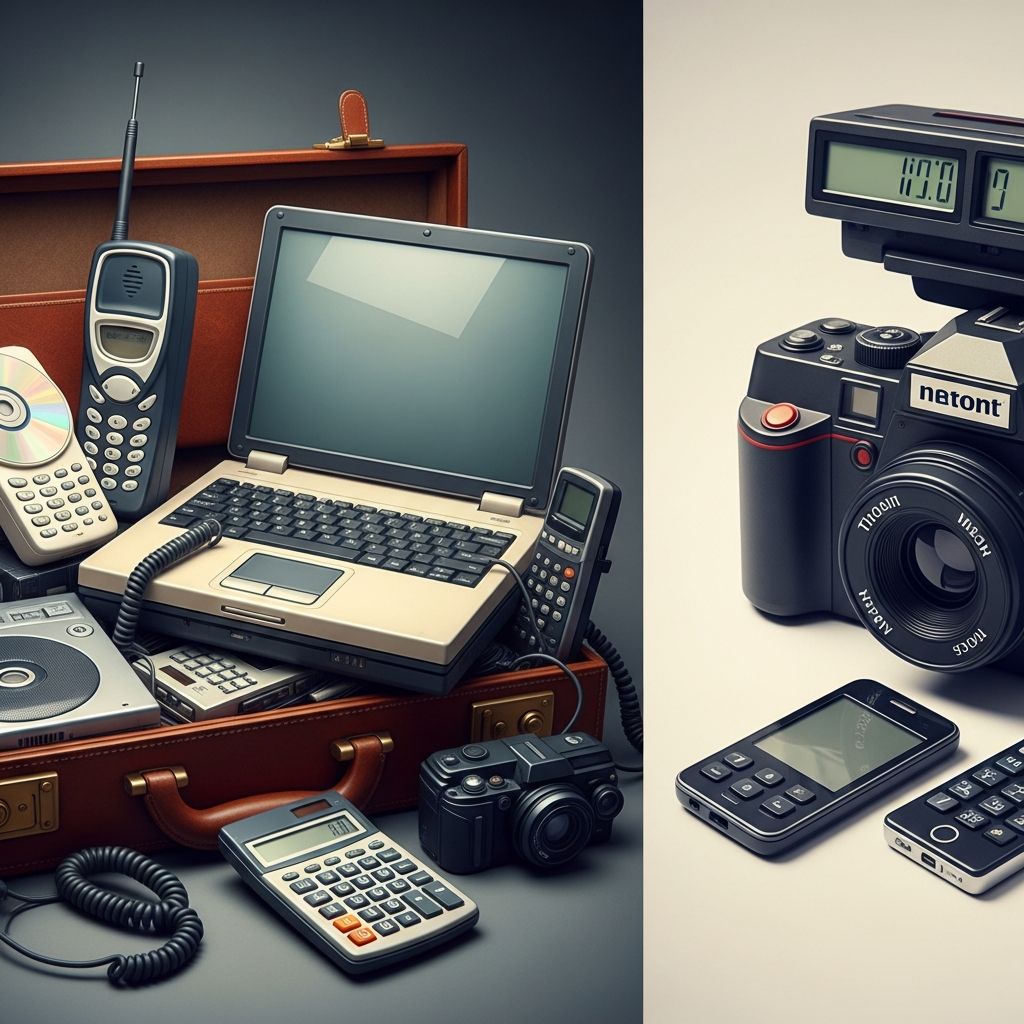
The legal profession has undergone a profound technological metamorphosis over the past few decades. What once required lawyers to lug around heavy briefcases stuffed with paper files, typewriters, and bulky calculators has evolved into a streamlined ecosystem of portable, powerful devices. This shift not only lightens the load but revolutionizes how attorneys research, communicate, collaborate, and litigate. In this comprehensive exploration, we delve into the journey from analog necessities to digital dynamos, highlighting key innovations that define the modern lawyer’s toolkit.
The Dawn of Digital Disruption in Law Offices
In the late 20th century, a lawyer’s briefcase was a fortress of physical media. Bound volumes of case law, stacks of legal pads scribbled with notes, and mechanical calculators dominated the space. These tools, while reliable, were cumbersome and limited mobility. The introduction of personal computers in the 1980s marked the first crack in this analog armor. Early laptops like the IBM PC Convertible weighed nearly 10 pounds, yet they promised liberation from desktop-bound work.
By the 1990s, floppy disks and CD-ROMs began digitizing legal research. Services like Westlaw and LexisNexis transitioned from print to online databases, allowing attorneys to query vast repositories without hauling books. This era’s pivotal shift was the pager—a one-way beeper that kept lawyers tethered to their offices via numeric codes for urgent callbacks. These devices, though primitive, foreshadowed constant connectivity.
Smartphones: The Game-Changer for On-the-Go Attorneys
The 2007 launch of the iPhone redefined portability. What started as a phone, music player, and internet communicator evolved into the lawyer’s ultimate multitool. Today’s smartphones pack processing power surpassing NASA’s Apollo missions, enabling instant access to case law, email, and video conferencing from anywhere.
- Secure Communication: Apps like Signal and encrypted email clients ensure client-attorney privilege compliance on the move.
- Document Scanning: Built-in cameras with OCR (Optical Character Recognition) turn receipts or contracts into editable PDFs instantly.
- Voice-to-Text: Dictation software transcribes depositions or memos hands-free, saving hours of typing.
Statistics show 95% of lawyers now rely on smartphones daily, with usage spiking during travel or court. This pocket powerhouse has rendered pagers and flip phones obsolete.
Cloud Computing: Virtual Briefcases Unlimited
Physical storage limitations vanished with cloud services like Dropbox, Google Drive, and Microsoft OneDrive. Lawyers can now store terabytes of documents—entire case files—accessible from any device. Collaboration thrives as teams edit shared docs in real-time, with version history preventing data loss.
| Feature | Traditional Briefcase | Cloud Alternative |
|---|---|---|
| Storage Capacity | Limited to ~50 lbs of paper | Unlimited (e.g., 1TB+ per user) |
| Accessibility | Only with physical case | Any device, anywhere |
| Collaboration | Manual photocopying | Real-time multi-user editing |
| Security | Risk of loss/theft | Encryption, 2FA, audit logs |
Firms using cloud tech report 30% productivity gains, per Thomson Reuters surveys. Integration with legal-specific platforms like Clio or PracticePanther automates billing and calendaring.
AI and Automation: The Intelligent Upgrade
Artificial intelligence has elevated the briefcase from storage unit to strategic advisor. Tools like Harvey AI and Casetext (now CoCounsel) analyze contracts, predict case outcomes, and draft motions with human-like accuracy. Natural Language Processing (NLP) sifts through discovery documents, flagging key evidence in seconds—what once took paralegals days.
- Predictive Analytics: Algorithms forecast judge rulings based on historical data.
- E-Discovery: AI reviews millions of emails for relevance, reducing costs by 50-70%.
- Chatbots: Virtual assistants handle initial client intakes 24/7.
Ethical considerations abound; the ABA’s Model Rule 1.1 mandates competence in tech, urging lawyers to master these tools while ensuring bias-free outputs.
Wearables and Emerging Gadgets: The Next Frontier
Beyond phones, wearables like Apple Watch and Oura Ring monitor health and notifications discreetly. Smart glasses from Meta or Google overlay AR case summaries during trials. Drones assist in site inspections for personal injury cases, capturing 4K footage safely.
Voice assistants—Alexa, Google Assistant—integrated into earbuds enable hands-free research: “Hey Siri, find precedents on negligence in slip-and-fall cases.” Battery life and rugged designs make these viable for courtroom marathons.
Cybersecurity: Protecting the Digital Arsenal
With great power comes great risk. Cyber threats target law firms for sensitive data. Multi-factor authentication (MFA), VPNs, and endpoint detection are non-negotiable. Recent TSA incidents highlight screening lapses, but for lawyers, forgetting a loaded USB of client files in luggage could spell disaster.
Best practices include:
- Regular phishing simulations.
- Zero-trust architectures.
- Encrypted backups offsite.
Productivity Suites Tailored for Legal Pros
Microsoft 365 and Google Workspace dominate, with add-ons like DocuSign for e-signatures and Zoom for virtual depositions. Time-tracking apps like Toggl integrate seamlessly, auto-logging billable hours via calendar sync.
In bankruptcy practice, online portals provide direct access to PACER dockets, forms, and regulations—streamlining what was once a paper chase.
The Environmental and Economic Impact
Going digital slashes paper use by 90%, per EPA estimates, aligning with sustainability goals. Cost savings are staggering: a mid-size firm saves $100K annually on printing and storage. Remote work, turbocharged by these tools, cuts office footprints.
Challenges and Future Predictions
Not all embrace change. Older attorneys cite learning curves; rural areas lag in broadband. Yet, by 2030, AI will handle 40% of routine tasks, per Gartner, freeing lawyers for strategy.
Quantum computing looms, promising unbreakable encryption and instant simulations for complex litigation.
Frequently Asked Questions
What essential tech should every lawyer carry today?
A smartphone, portable charger, noise-cancelling headphones, and a stylus-enabled tablet form the core modern kit.
Is cloud storage secure for client confidentiality?
Yes, when using compliant providers (e.g., HIPAA/BAA for health-related cases) with encryption and access controls.
How has AI changed legal research?
AI cuts research time from hours to minutes, summarizing cases and citing authorities with 95% accuracy.
What about tech in courtrooms?
Many courts now allow tablets for notes; AR/VR pilots visualize evidence immersively.
Future-proofing: What’s next for lawyer gadgets?
Neural interfaces and holographic displays could make briefcases relics entirely.
References
- Thomson Reuters: Clarifying the Complex — Thomson Reuters. 2026. https://www.thomsonreuters.com/en
- TSA Catches Loaded Firearm in Luggage at Santa Barbara Airport — Transportation Security Administration (TSA). 2026-04-03. https://www.edhat.com/news/tsa-catches-loaded-firearm-in-luggage-at-santa-barbara-airport/
- The Bankruptcy Lawyer’s Guide to the Internet — Nova Southeastern University Shepard Broad Law Center. 2000 (archived relevance for foundational online legal resources). https://papers.ssrn.com/sol3/papers.cfm?abstract_id=1815219
Similar Articles








Read full bio of Sneha Tete




