
Body Cameras in Criminal Justice: What You Should Know
Understanding police body camera footage, your rights, and how to use video evidence in legal proceedings.
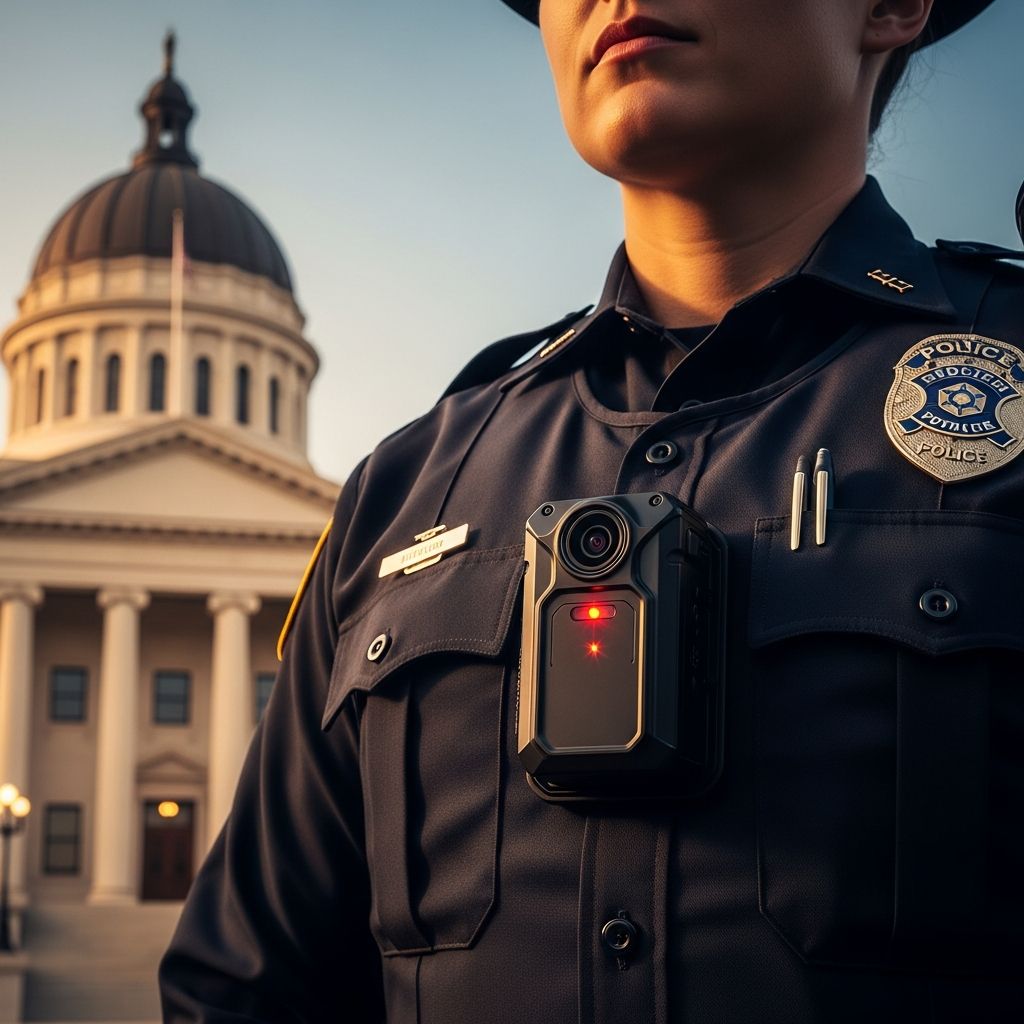
Understanding Police Body Cameras in the Criminal Justice System
Police body cameras have become increasingly prevalent in law enforcement agencies across the United States over the past decade. These wearable recording devices capture interactions between officers and citizens, creating video and audio documentation of events. While originally implemented to address concerns about police misconduct and improve accountability, body camera footage has evolved into critical evidence in criminal proceedings, civil rights cases, and misconduct investigations. Understanding how this technology functions within the legal system is essential for defendants, victims, and anyone involved in criminal justice matters.
The widespread adoption of body cameras represents a significant shift in how law enforcement agencies document their activities. However, the mere presence of cameras does not automatically guarantee transparency or fair treatment. Policies governing when cameras record, who can access footage, and how it can be used vary considerably across jurisdictions, creating a complex landscape that requires careful navigation.
How Body Camera Footage Serves as Legal Evidence
Video evidence from police body cameras provides an objective record of events that can be invaluable in legal proceedings. Unlike witness testimony or officer statements, which can be subject to perception, memory, and bias, video footage captures actual events as they occurred. This documentation can reveal critical details about the sequence of events, the behavior of all parties involved, and the circumstances surrounding an incident.
In criminal cases, body camera footage can demonstrate whether a defendant complied with police orders, whether force was used appropriately, or whether proper procedures were followed during an arrest or interrogation. The footage creates a contemporaneous record that is difficult to dispute or reinterpret later. For example, if an officer claims that a defendant was resisting arrest, video evidence showing compliance with orders can substantially strengthen a defendant’s case and potentially lead to charges being dropped or reduced.
For victims and plaintiffs in civil rights cases, body camera footage can provide clear documentation of misconduct or violations that occurred during police interactions. This evidence is instrumental in establishing liability and holding responsible parties accountable for their actions. The objective nature of video evidence often carries significant weight with juries, who may find visual documentation more convincing than conflicting verbal accounts.
The Dual Nature of Body Camera Evidence
While body camera footage can be powerful evidence supporting a defendant’s or victim’s case, it can also work against them. The same video that demonstrates police misconduct or supports an excessive force claim might simultaneously show conduct by the defendant that could be used in criminal prosecution. This dual nature of body camera evidence requires careful strategic consideration.
Incomplete or partial footage presents another significant challenge. When cameras do not capture the entire interaction or when footage is missing from critical moments, the resulting video tells only part of the story. Gaps in recording can lead to conflicting interpretations of events, requiring juries to decide which party’s version of events they find more credible. Defense attorneys must be prepared to address incomplete footage and present alternative explanations based on the available evidence.
Additionally, the angle and perspective of body cameras can create unintended biases. A camera mounted on an officer’s chest may not capture everything visible to the officer’s eyes, potentially missing crucial context. Understanding these technical limitations is essential for properly interpreting and presenting body camera evidence in legal proceedings.
Accessing Body Camera Footage: Rights and Procedures
One of the most significant challenges facing defendants and victims is obtaining body camera footage. Many states have stringent rules and procedures governing the release of body camera footage, making it difficult and time-consuming to access. Police departments often have legitimate privacy concerns, including protecting the identities of confidential informants, victims of sensitive crimes, and juveniles involved in incidents.
Departments typically maintain body camera footage under strict retention policies. Footage is not stored indefinitely; most departments delete recordings after a set period unless someone specifically requests preservation or litigation is pending. This means that timely action is critical. Individuals should request footage in writing as soon as possible after an incident to prevent it from being lost during routine deletion cycles.
Several steps can help in obtaining body camera footage:
- Submit a formal written request to the police department within the earliest possible timeframe after an incident
- Identify the specific officer or officers involved by obtaining their badge numbers and names
- Preserve any partial clips or screenshots that may have been shared on social media or news outlets
- Request assistance from witnesses who may have recorded the encounter on personal devices
- Consult with an attorney who can file formal discovery requests or Freedom of Information Act requests if necessary
Attorneys play a crucial role in accessing body camera footage that might otherwise remain unavailable. Police misconduct lawyers understand the legal procedures for requesting footage, can challenge unjustified denials of access, and know how to preserve evidence through proper legal channels.
Policy Variations and Recording Standards
Body camera policies vary significantly across different police departments and jurisdictions. Some departments require continuous recording throughout an officer’s entire shift, while others allow officers to activate and deactivate cameras at their discretion. This variation is critical because it directly affects what footage exists and what events are documented.
The most protective policies establish clear rules requiring continuous recording, eliminating individual officer discretion about when to record. When officers decide whether to record, there is inherent risk that they will stop recording before engaging in misconduct or start recording only after an incident has concluded. Such discretion undermines the accountability purpose of body cameras and creates gaps in the evidentiary record.
Policies also differ regarding recording in specific situations:
| Recording Scenario | Policy Considerations |
|---|---|
| Witness and Victim Statements | Recording witnesses and victims can provide valuable documentation but may discourage people from cooperating with police |
| Private Locations | Some policies restrict recording in residences, medical facilities, and other areas where individuals have heightened privacy expectations |
| First Amendment Activities | Policies should prevent officers from recording individuals engaged in lawful protests or assembly for identification purposes |
| Sensitive Crime Victims | Special protections may apply when recording victims of sexual assault or other traumatic crimes |
Understanding the specific policies that govern body camera use in your jurisdiction is important for developing appropriate legal strategies and challenging policy violations.
Impact on Police Accountability and Use of Force
Research demonstrates that police body cameras have measurable effects on officer behavior and accountability. Studies examining body camera implementation show significant reductions in use of force incidents and complaints against officers. In Miami-Dade County, Florida, researchers found a 19% decrease in police officers employing physical force against citizens when officers kept cameras recording throughout their shifts. During the same period, civil cases against the police department for use of force decreased by 74%, indicating both reduced misconduct and reduced litigation.
In Phoenix, Arizona, complaints against officers wearing cameras decreased by 23%, while complaints against officers not wearing cameras increased by 10.6%. These statistics demonstrate that the awareness of being recorded influences officer behavior, motivating compliance with department policies and legal standards.
The documentary effect of body cameras extends beyond preventing misconduct. Footage can also exonerate officers who are falsely accused of wrongdoing. When officers act appropriately and follow proper procedures, body camera footage can quickly dispel false accusations, protecting both the officer and the credibility of law enforcement.
Using Body Camera Footage in Civil Rights Cases
For individuals pursuing civil rights claims against police departments or officers, body camera footage can be crucial evidence. Civil rights cases often involve allegations of excessive force, false arrest, violation of due process rights, or other constitutional violations. Body camera footage provides objective documentation that supports these claims and establishes the factual basis for liability.
The footage can demonstrate whether officers had legitimate grounds for their actions, whether they followed established procedures, and whether their conduct was proportional and reasonable. When footage contradicts an officer’s report or testimony, it becomes powerful evidence that can persuade a jury to find in favor of the plaintiff.
Additionally, body camera footage can support claims of patterns or practices of misconduct. When multiple incidents involving the same officer or department are documented on camera, it strengthens allegations that misconduct is systemic rather than isolated.
Challenges in Criminal Defense Cases
For criminal defendants, body camera footage presents both opportunities and risks. The footage can support defenses based on officer misconduct, violation of rights, or factual disputes about what occurred. However, the same footage might also contain evidence that supports prosecution theories or shows conduct that could be characterized as criminal.
Defense attorneys must carefully analyze body camera footage to identify helpful evidence while developing strategies to address or contextualize harmful footage. This might involve challenging the reliability or completeness of the recording, presenting expert testimony about what the footage does or does not show, or arguing that gaps in the footage suggest important missing context.
One important use of body camera footage in criminal cases involves challenging confessions. If body camera footage shows that a defendant confessed before the officer provided required Miranda warnings, this evidence can be used to suppress the confession and prevent it from being used at trial. Similarly, footage showing that a defendant requested an attorney but was questioned anyway can support suppression motions.
Miranda Rights and Custodial Interrogation
Body camera footage of police interrogations can be critical evidence regarding whether officers properly advised suspects of their Miranda rights before questioning. When recorded statements are introduced as evidence, the complete recording must contain the full recitation of the defendant’s Miranda rights. Partial recordings that show a confession but omit the Miranda warning can be subject to suppression or exclusion from evidence.
Video documentation of interrogations serves the interests of both prosecutors and defendants. It creates a clear record of whether warnings were given, whether the suspect understood them, and whether questioning proceeded appropriately. The objectivity of video evidence reduces disputes about what occurred during the interrogation and can prevent misunderstandings about the extent to which a defendant understood their rights.
Privacy Concerns and Protective Policies
While body cameras serve important accountability functions, they also raise legitimate privacy concerns. Policies should balance the benefits of documentation with the privacy interests of individuals who interact with police. Many jurisdictions have implemented restrictions on recording in specific circumstances where privacy expectations are heightened.
These protective policies typically include restrictions on recording in residences, bathrooms, dressing rooms, medical facilities, and mental health treatment settings. Some policies require officers to inform individuals that they are being recorded in private locations and to discontinue recording upon request unless the officer has lawful authority to be present without consent.
First Amendment protections also apply to body camera use. Policies should prevent officers from recording individuals engaged in lawful protest or assembly for the purpose of identifying and tracking participants. Recording to document unlawful conduct at protests is generally permissible, but recording peaceful, lawful exercise of First Amendment rights raises significant constitutional concerns.
The Role of Attorneys in Using Body Camera Evidence
Experienced attorneys play an essential role in effectively obtaining and using body camera footage. Legal professionals understand the procedures for requesting footage, can navigate jurisdiction-specific policies and regulations, and know how to challenge improper denials of access. Attorneys can file formal discovery requests in criminal cases or Freedom of Information Act requests when necessary.
Once footage is obtained, attorneys analyze it frame by frame to identify evidence supporting their client’s position. They may consult with experts who can explain technical aspects of the recording, such as camera angles, audio quality, or the limitations of the particular camera model. Attorneys also develop strategies for presenting the footage to judges or juries in ways that highlight the most important details and contextualize harmful evidence.
Defense attorneys can also file motions to suppress body camera evidence in certain circumstances, such as when the footage was obtained in violation of privacy laws, was recorded in violation of department policies, or would unfairly prejudice the defendant without probative value.
Preservation and Retention of Evidence
An important practical consideration is ensuring that body camera footage is properly preserved. Without a specific request or pending litigation, departments routinely delete footage after retention periods ranging from several months to a few years. Once deleted, footage cannot be recovered.
Individuals should request preservation of footage as early as possible, preferably before the routine deletion date. Written requests for preservation create a legal obligation that prevents routine deletion. Legal proceedings and formal litigation also trigger automatic preservation requirements that protect the footage from deletion.
Frequently Asked Questions About Police Body Cameras
Q: Are police officers required to use body cameras?
A: No, police officers are not federally required to use body cameras. However, many police departments have adopted policies requiring their use, and some states have enacted legislation mandating body camera programs. Requirements vary by jurisdiction.
Q: How long do police departments keep body camera footage?
A: Retention periods vary by department and jurisdiction, typically ranging from several months to a few years. Footage is routinely deleted after the retention period unless someone requests preservation or litigation is pending. It is critical to request footage promptly to prevent its deletion.
Q: Can body camera footage be used against me in court?
A: Yes, body camera footage can be introduced as evidence by either the prosecution or defense, depending on what the footage shows. While footage can support your defense, it may also contain evidence used against you. Your attorney can help you develop strategies to address harmful footage.
Q: How do I obtain body camera footage of an incident?
A: Submit a formal written request to the police department as soon as possible after an incident. Include the date, time, and location of the incident, as well as the badge numbers and names of officers involved. If the department denies your request, an attorney can help you file a more formal request or Freedom of Information Act request.
Q: What should I do if body camera footage shows police misconduct?
A: Document the footage, preserve copies, and consult with a police misconduct attorney. The attorney can analyze the footage, advise you on potential legal claims, and help you pursue civil rights litigation or use the footage in your defense in a criminal case.
Q: Can officers turn off their body cameras?
A: This depends on department policy. Some departments require continuous recording throughout an officer’s shift. Others allow officers to deactivate cameras in specific circumstances. Policies vary significantly across jurisdictions. Officers who fail to follow recording policies may face disciplinary action.
Q: What if body camera footage is incomplete or missing?
A: Incomplete footage can make legal proceedings more complicated, as it tells only part of the story. Your attorney can challenge the missing portions, present expert testimony about what the footage does and does not show, and argue that gaps suggest important missing context that should be considered by the jury.
References
- The Role of Police Body Cameras in Civil Rights Cases — White Davis & White Law Firm. https://wdwlawfirm.com/the-role-of-police-body-cameras-in-civil-rights-cases/
- Police Body Cameras: Rights and Accountability — LawInfo.com. https://www.lawinfo.com/resources/civil-rights/police-misconduct/police-body-cameras-rights-and-accountability.html
- Policing Body Cameras: Policies and Procedures to Safeguard the Rights of the Accused — National Association of Criminal Defense Lawyers (NACDL). https://www.nacdl.org/
- Police Body Camera Policies: Privacy and First Amendment Protections — Brennan Center for Justice. https://www.brennancenter.org/our-work/research-reports/police-body-camera-policies-privacy-and-first-amendment-protections
- Legal Issues Surrounding the Use of Body Cameras — Bureau of Justice Assistance. https://bja.ojp.gov/
- Body-Worn Camera Laws Database — National Conference of State Legislatures (NCSL). https://www.ncsl.org/civil-and-criminal-justice/body-worn-camera-laws-database
Similar Articles








Read full bio of Sneha Tete




