
Body Art in Law: Tattoos and Piercings for Attorneys
Exploring how tattoos and piercings fit into modern legal practice amid evolving professional norms and client expectations.
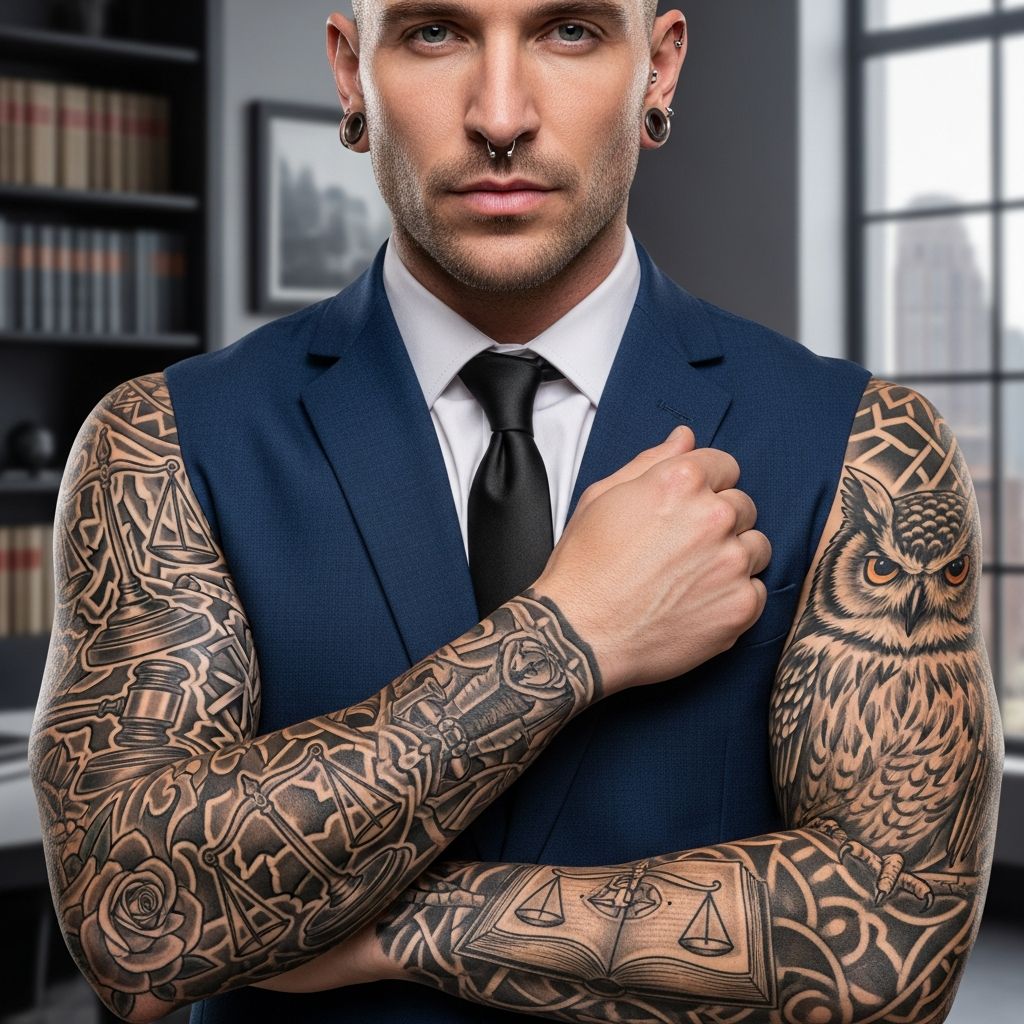
The legal profession has long been associated with conservative dress codes and polished appearances, but generational shifts and cultural changes are challenging these traditions. Today, many attorneys proudly display tattoos and piercings as forms of personal expression. Yet, questions persist: Can visible body modifications coexist with courtroom credibility and corporate expectations? This article delves into the realities, providing actionable insights for lawyers navigating this nuanced terrain.
Evolution of Professional Image in Legal Practice
Historically, the image of a lawyer evoked images of pinstripe suits, starched collars, and unadorned skin—symbols of authority and trustworthiness. However, as millennials and Gen Z enter the field, attitudes toward body art are softening. Surveys and anecdotal evidence from legal forums indicate that up to 40% of younger attorneys have tattoos, reflecting broader societal acceptance.
This shift mirrors changes in other industries, where authenticity often trumps uniformity. In law, however, client perceptions and judicial biases remain pivotal. A tattooed arm might signal relatability to some clients but distraction or unprofessionalism to others, particularly in conservative jurisdictions or high-stakes litigation.
Strategic Placement: Concealment as a Core Principle
The golden rule for body art in law is concealability. Opt for locations easily covered by standard professional attire: torso, upper arms, thighs, and calves. Avoid ‘job stoppers’—tattoos on hands, faces, necks, or fingers—which are notoriously difficult to hide and can limit opportunities in traditional firms.
Piercings follow similar logic. Removable options like nose studs or eyebrow rings can be swapped for clear retainers during court. Permanent gauges or stretched earlobes pose greater challenges, often requiring surgical intervention for reversal, as noted in professional grooming discussions.
| Body Art Type | Recommended Placement | Courtroom Strategy | Office Flexibility |
|---|---|---|---|
| Tattoos | Torso, back, upper legs | Fully covered (long sleeves, pants) | Covered in conservative settings |
| Small Tattoos | Forearms, ankles | Layered clothing | Visible in casual firms |
| Piercings | Ears, nose (removable) | Remove or use clear spacers | Assess firm culture |
| High-Risk (Avoid) | Hands, face, neck | Impossible to conceal | Rarely acceptable |
This table outlines practical choices, emphasizing adaptability to different environments.
Firm Cultures: From Big Law to Boutique Practices
Acceptance varies dramatically by practice setting. Big Law firms, with their corporate clientele, often enforce strict no-visible-tattoo policies, mandating full coverage even in summer months. Nonprofits, public defense, and progressive boutiques, conversely, embrace diversity, viewing tattoos as assets for connecting with underserved communities.
- Big Law/Corporate: Expect suits year-round; tattoos must vanish under fabric.
- Government/Public Sector: Moderate; cover for hearings, flexible otherwise.
- Small Firms/Startups: Often welcoming; visible art may enhance relatability.
- Solo Practitioners: Ultimate flexibility—clientele dictates norms.
Researching firm vibes is essential. LinkedIn outreach or alumni networks yield honest intel: ‘Does your office have an unspoken tattoo policy?’
Courtroom Dynamics: Prioritizing Client Advocacy
In court, your appearance serves your client, not your style. Visible tattoos risk prejudicing judges or juries, who may subconsciously associate ink with impulsivity. Piercings amplify this: a lip ring could distract during cross-examination.
Pro tip: Scout the bench. Conservative judges warrant extra coverage; progressive ones may overlook subtle displays. Juries, drawn from diverse pools, respond variably—urban panels trend more accepting than rural ones.
Design Choices: Professionalism in Ink
Not all tattoos are equal. Opt for timeless, neutral motifs: nature scenes, quotes, geometric patterns. Steer clear of controversy—gang symbols, profanity, nudity, or political extremism undermine credibility.
Piercings should be minimal: single studs over hoops or bars. Clients seek attorneys with sound judgment; offensive art signals the opposite.
Practical Management Tips for Inked Attorneys
Beyond placement, timing matters. Schedule tattoo sessions post-deadline, ideally before vacations, allowing healing without workplace itchiness. Use breathable coverings for fresh ink if unavoidable.
For piercings, stock clear retainers and practice quick swaps. Maintain a ‘professional kit’: long-sleeve shirts, scarves, makeup for cover-ups.
- Assess healing timelines: Tattoos need 2-4 weeks; plan accordingly.
- Test attire: Ensure no peek-a-boo in motion.
- Build a cover story if asked—focus on artistry, not rebellion.
Client Relations: Relatability vs. Authority
Tattoos can humanize you, fostering trust with younger or marginalized clients who feel alienated by ‘vanilla’ lawyers. A visible sleeve might bond with a tattooed defendant, signaling empathy. Yet, corporate clients prefer the archetype—err conservative.
Balance via context: Reveal in consultations, conceal in trials.
Legal and Ethical Frameworks Governing Appearance
No universal bar rule bans body art; ethics focus on competence, not cosmetics. However, firm handbooks and client contracts may stipulate grooming. Discrimination claims arise if policies target protected traits, but voluntary tattoos don’t qualify.
The Americans with Disabilities Act or Title VII rarely apply, but inclusive policies benefit recruitment amid talent shortages.
Future Trends: Toward Inclusive Standards
Projections suggest normalization: By 2030, 50% of lawyers under 40 may have tattoos, per industry observers. Firms adapting via updated dress codes will attract top talent. Remote work accelerates this, minimizing visibility.
Advocacy groups push for ‘appearance neutrality,’ prioritizing skills over skin.
Frequently Asked Questions (FAQs)
What percentage of lawyers have tattoos?
Estimates suggest 30-40% of attorneys under 35, rising with younger cohorts, though visible ones remain minority.
Can tattoos prevent bar admission?
No—character fitness reviews ignore body art absent criminal ties.
Are piercings worse than tattoos in court?
Potentially, as they’re more noticeable and harder to justify professionally.
How do I hide forearm tattoos in summer?
Opt for thin long-sleeve shirts, arm warmers, or makeup; choose cooler placements next time.
Do clients care about my tattoos?
Varies: Street-level clients often relate; executives may not.
Conclusion: Authenticity Meets Professionalism
Body art needn’t derail a legal career. With strategic choices—concealable placements, inoffensive designs, contextual awareness—attorneys can honor self-expression while upholding trust. The field evolves; adapt wisely.
References
- Navigating Tattoos in the Legal Profession: Tips for Lawyers — Lemon8. 2024. https://www.lemon8-app.com/chucklelemon/7366761718343500294?region=us
- TATTOO TAG: Lawyer Edition — YouTube (Leeja Miller). 2024. https://www.youtube.com/watch?v=bOkBeMQoBWw
- What Does a Lawyer Look Like? — National Association for Law Placement (NALP). 2024-10-15. https://www.nalp.org/what_does_a_lawyer_look_like
Similar Articles








Read full bio of medha deb




